



Why A Playground Workout Works
Swapping the gym for a park isn't just a novelty; it's a strategic way to build functional strength. Functional exercises mimic everyday movements like pushing, pulling, lifting, and climbing, training your body to work as a coordinated system. This approach
improves balance, stability, and real-world capability, all while reducing the risk of injury. Bodyweight training, the foundation of most playground workouts, is incredibly versatile and can be adapted to any fitness level. It engages multiple muscle groups at once, boosts your metabolism, and connects you with nature, which has been shown to reduce stress and improve mental health. Best of all, it's completely free and accessible.
The Essential Warm-Up
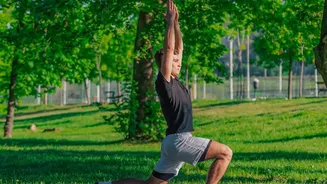
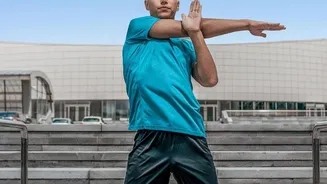
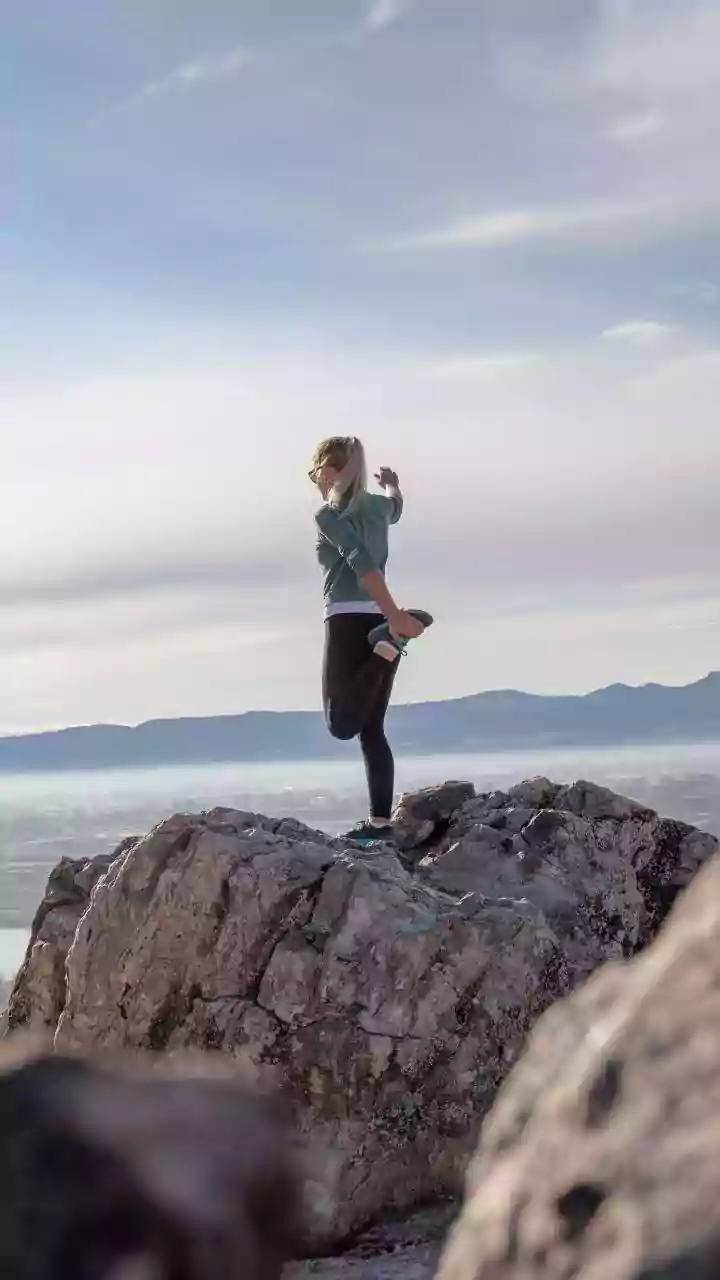
Never jump straight into a workout. A proper warm-up increases blood flow to your muscles, reduces stiffness, and primes your body for movement, which is crucial for preventing injury. Start with five to ten minutes of light cardio, like jogging around the park or doing jumping jacks. Follow this with dynamic stretches—active movements that take your joints through their full range of motion. Good options include high knees, butt kicks, arm circles, torso twists, and leg swings. Walking lunges are also excellent for activating the glutes, quads, and core before you begin the main workout.
Upper Body: Pulls and Pushes
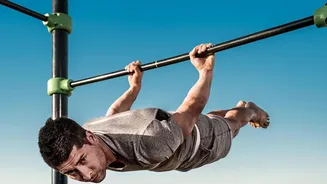
The pull-up bar (or monkey bars) is your best friend for building back and bicep strength. For a classic pull-up, grab the bar with palms facing away, hands slightly wider than your shoulders. Engage your shoulders by pulling them back and down, then pull your chest toward the bar. If you're a beginner, start with 'negatives': jump to the top position and lower yourself down as slowly as possible. Another great option is the inverted row using a low bar; the more horizontal your body, the harder it is.For pushing movements, benches and parallel bars are key. For dips, use parallel bars, keeping your torso upright to target the triceps and chest. You can do push-ups anywhere. To make them easier, place your hands on a bench for an incline push-up. To make them harder, place your feet on the bench for a decline push-up, which increases the range of motion and challenge.
Lower Body: Jumps, Lunges, and Squats
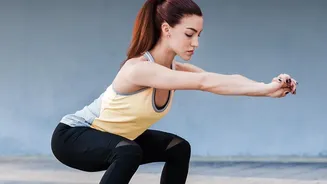
Playground benches are perfect for lower-body exercises. For box jumps, find a sturdy bench, start in an athletic stance, and jump up, landing softly. Always step back down; don't jump down, as this can risk injury. Benches are also ideal for Bulgarian split squats: place the top of one foot on the bench behind you and perform a lunge with your front leg. This move is fantastic for balance and targeting your quads and glutes. Of course, you can't go wrong with classic bodyweight squats and walking lunges, which can be done in any open space to build foundational leg strength.
Core and Stability
A strong core is the foundation of all movement. The bars are excellent for core work. Try hanging knee raises: hang from a bar and use your abs to pull your knees towards your chest. For a more advanced move, try the 'L' hold on parallel bars, lifting your straight legs to hip height and holding the position.A park bench also offers options. Sit on the edge with your hands beside your hips, lean back, and perform bicycle kicks. Swings can add a unique stability challenge. Get into a plank position with your feet in the swing's seat and perform knee tucks, pulling your knees toward your chest and extending back out.
Safety and Park Etiquette
Before starting, always inspect the equipment. Check for wet or slippery surfaces, especially in the morning, and look for any sharp edges or damage. Be mindful of your surroundings, especially in a busy park. Respect personal space and be prepared to share equipment, especially during peak times. It’s good etiquette to let others work in during your rest periods rather than camping on a single station. Finally, listen to your body. Bodyweight training is highly scalable, so always start with a version of an exercise you are comfortable with and gradually increase the difficulty.