




The Monsoon's Lush Transformation
Throughout the monsoon season, typically from June to September, heavy rains blanket the Indian subcontinent. This deluge breathes life into the forests, spurring an explosion of growth. Grasses shoot up, undergrowth becomes dense and impenetrable, and the entire
landscape turns a brilliant, deep green. While beautiful, this thick foliage acts like a natural curtain, making it incredibly difficult to spot animals. Most national parks actually close during this period, not only because the tracks become muddy and impassable, but also to allow the ecosystem to recover and give animals privacy during their breeding season.
Nature's Pruning and Park Preparation
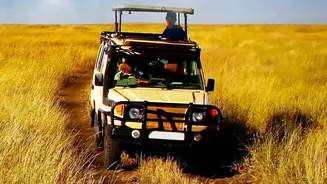
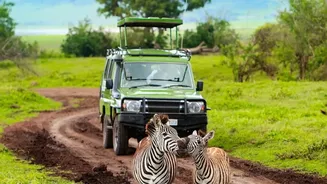
As October rolls in, the rains stop and the weather begins to cool and dry. This shift triggers a natural 'clearance' of vegetation. The tall grasses that thrived during the monsoon start to dry out and die back, and deciduous trees begin to shed their leaves. This process naturally thins the forest canopy and undergrowth. Simultaneously, forest departments get to work. Park authorities repair safari tracks damaged by the rains and often conduct controlled clearing of overgrown vegetation along these routes. This ensures that safari jeeps can navigate the terrain safely and that sightlines into the forest are improved for visitors when the parks reopen.
A Clearer View for Better Sightings
The combination of natural die-back and manual track clearance is the key to why November is such a spectacular month for wildlife spotting. With less foliage to obstruct the view, the forest becomes more open. Animals that were easily hidden just a month or two prior are now more visible from a distance. This enhanced visibility is a game-changer for both casual tourists and serious photographers. A fleeting glimpse of a tiger moving through the trees or a herd of deer grazing in a meadow becomes a much clearer and more rewarding sight. The golden light of the late autumn sun filtering through the thinning canopy only adds to the photographic opportunities.
Animal Behaviour in the New Season
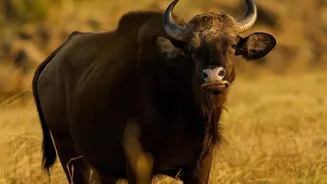
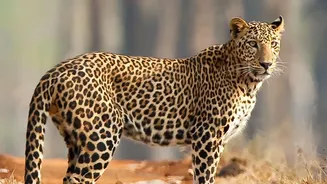
The post-monsoon period also influences animal behaviour in ways that benefit spotters. After the rains, water is abundant everywhere, but as the weeks go by, smaller streams and puddles begin to dry up. This concentrates wildlife around the larger, more permanent waterholes, making them predictable places to find animals. Herbivores like deer and gaur are often seen grazing in abundance on the fresh post-monsoon growth. This increased activity among prey animals in more open areas naturally draws out predators like tigers and leopards, increasing the chances of a sighting. The weather is also more pleasant, meaning many animals are active for longer periods during the day compared to the sweltering heat of summer.
Top Reserves to Visit in November
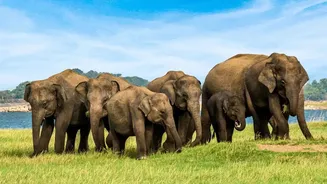
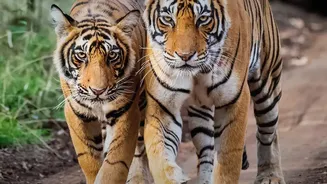
Many of India's premier national parks, which reopen in October, are in their prime by November. In Rajasthan, Ranthambore National Park offers the dramatic backdrop of its ancient fort against the recovering forest, with good chances of seeing tigers. In Madhya Pradesh, known as the 'Tiger State', parks like Bandhavgarh and Kanha boast some of the highest tiger densities and beautiful sal forests. Jim Corbett National Park in Uttarakhand, with its diverse landscape of hills and riverbanks, is particularly vibrant after the monsoon, offering sightings of tigers, elephants, and a rich variety of birdlife.