




The Great Indian Family (and Pet) Vacation
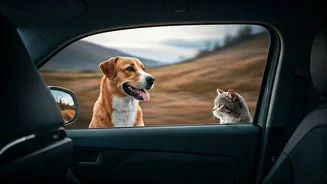
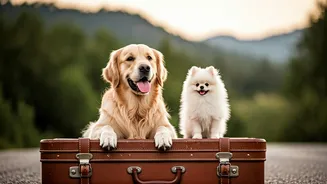
The definition of an Indian family is expanding, and so are vacation plans. The shift is driven by a profound change in how pets are viewed: not just as animals, but as family members. This trend of 'pet humanization' has led to a booming pet travel services
market in India, which generated over USD 82 million in 2024 and is projected to grow significantly. Pet ownership itself is rising, with India's pet population growing from 26 million in 2019 to 42 million in 2024. Consequently, owners are no longer content to leave their companions in kennels; they want to share their travel experiences, and the industry is finally taking note.
From 'No Pets Allowed' to 'Pawsome Holidays'
The hospitality sector has seen the most visible change. Gone are the days of outright bans; today, thousands of properties across India welcome pets. Major booking platforms report that 'pet-friendly' is one of the most used search filters, with millions of searches annually. Leading hotel groups and boutique properties alike are now offering specialized amenities. Chains like Taj and resorts like Della in Lonavala offer everything from pet beds and bowls to dedicated play areas and special menus. Many properties, such as Emerald Trail in Uttarakhand, are even designed as 'off-leash' zones where pets can roam freely, recognising that today’s pet parents are looking for more than just tolerance; they seek genuine, welcoming experiences.
Navigating Planes, Trains, and Automobiles
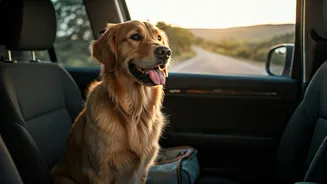
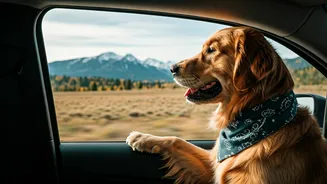
Transportation remains the most complex part of pet travel. Road trips are the preferred mode for the vast majority of Indian pet owners—around 93%—due to their flexibility and control. However, air travel is becoming more accessible. Airlines like Air India and Akasa Air now permit small pets to travel in the cabin on many domestic routes, a significant shift from the previous cargo-only policies. For larger pets, travel in the cargo hold is the norm, but airlines are implementing stricter safety protocols. Train travel is also an option, with pets permitted in First AC coupes, though the booking process can be cumbersome and requires coordination with the railway parcel office. Regardless of the mode, proper documentation, including a vet-issued fitness certificate and vaccination records, is non-negotiable.
An Ecosystem of Support
Supporting this mainstream shift is a growing ecosystem of specialized services. Professional pet relocation companies like AirPets and Carry My Pet now manage the entire travel process, from paperwork and customs clearance to booking and transport, for both domestic and international journeys. These services are invaluable for pet parents navigating complex airline rules or long-distance moves. This network of experts simplifies what can be an overwhelming amount of logistics, ensuring pets travel safely and with minimal stress.
The Bumpy Road Ahead
Despite the progress, challenges remain. There is a lack of standardized policies across airlines and hotels, which can create confusion. Public infrastructure, such as parks and rest stops that are truly pet-friendly, is still limited. Many airlines also have restrictions on brachycephalic (flat-faced) breeds like Pugs and Persian cats due to health risks at altitude. The responsibility also falls on pet parents to be prepared, ensuring their pets are well-behaved, socialized, and not a nuisance to others. A successful trip requires meticulous planning, from booking well in advance to getting a pet accustomed to its travel carrier.