





A Tale of Two Monsoons
For many popular hill stations in Himachal Pradesh and Uttarakhand, the monsoon season has become a period of high alert. News reports from July 2026 paint a familiar picture of disruption, with heavy rainfall triggering landslides that block major highways
and isolate communities. For tourists, this translates to cancelled trips, long hours stranded on roads, and genuine safety concerns. This recurring uncertainty has prompted a significant shift in travel patterns. Instead of braving the risky conditions in lower-altitude destinations like Shimla, Manali, and Nainital, a growing number of domestic tourists are looking towards the trans-Himalayan regions of Spiti and Ladakh for their summer escape. Officials in Ladakh have reported a historic surge in visitors this year, with arrivals in the first half of 2026 breaking previous records.
The Allure of the Rain Shadow
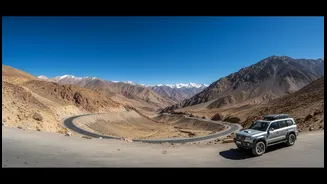
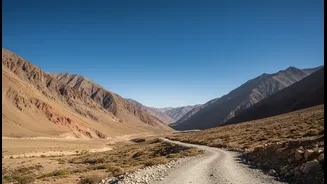
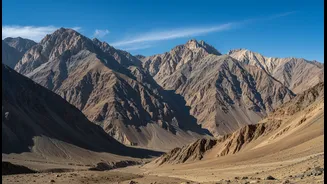
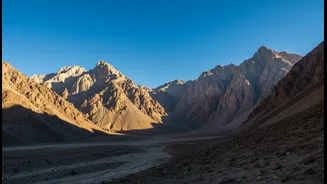
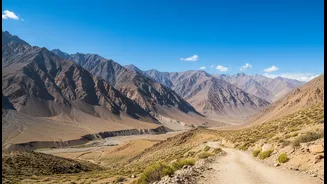
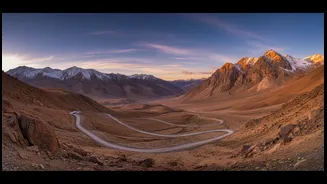
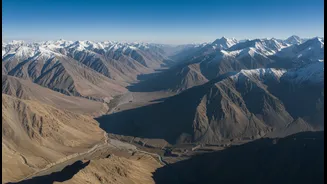
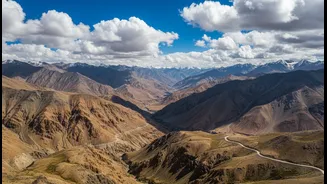
The primary reason for this pivot is geography. Spiti and Ladakh are high-altitude cold deserts that lie in a 'rain-shadow' zone. The towering Himalayan ranges to their south block most of the moisture-laden monsoon clouds, resulting in a dry, arid landscape with clear, sunny skies even in the peak monsoon months of July and August. This makes them significantly less prone to the torrential rain and widespread landslides that plague other mountain areas. While the term 'landslide-free' is not entirely accurate—the approach roads can still be challenging and susceptible to blockages—the valleys themselves offer a level of stability that has become a powerful draw for anxious travellers. The routes are generally open, the weather is predictable, and the risk of a trip being ruined by a washout is considerably lower.
More Than Just a Safe Bet
Safety from landslides is just one part of the story. The boom is also fuelled by vastly improved connectivity. The inauguration of the Atal Tunnel in 2020 has been a game-changer, providing all-weather access to the Lahaul and Spiti valley and dramatically reducing travel time from Manali. This engineering marvel has single-handedly transformed the region from a remote outpost to a buzzing tourist hub, with traffic volumes now regularly exceeding the tunnel's capacity during peak season. In Ladakh, enhanced air and road connectivity, coupled with a concerted push by the local administration to promote diverse experiences like wellness, spiritual, and astro-tourism, has further boosted its appeal. Add to this the timeless allure of stark landscapes, ancient monasteries, unique cultural experiences, and the powerful influence of social media, and you have the perfect recipe for a tourism explosion.
The Pressures of Popularity
However, this record-breaking influx of visitors is a double-edged sword. For local communities, it has brought an economic windfall, creating new livelihoods in hospitality, transport, and services that go beyond traditional agriculture. But the strain on these fragile desert ecosystems is immense and undeniable. These regions receive very little rainfall, and their water resources, primarily sourced from glaciers, are finite. The surge in tourists has led to concerns over water scarcity, a growing crisis of plastic and solid waste management, and increased air pollution. The delicate habitats that support rare wildlife are also under threat from irresponsible activities like off-roading, prompting authorities to enforce strict rules and heavy fines to protect the environment. The challenge for both Spiti and Ladakh now is to manage this boom sustainably.