




More Than Just a Morning Kickstart
For countless Indians, the day doesn't truly begin until the first sip of chai. This isn't just about the caffeine jolt you might get from coffee. It's a ritual, a gentle anchor that secures you to the morning. It’s the rhythmic sound of ginger being
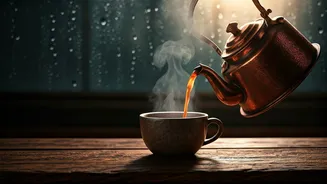
crushed, the clatter of a steel pot on the stove, and the patient wait as the milk, tea leaves, and spices come to a rolling boil. This process is a form of meditation in motion. In a world that often feels rushed and chaotic, the five or ten minutes spent making chai is a non-negotiable act of self-care. It’s a moment of predictability, a warm, sweet promise that no matter what the day holds, it begins with something familiar, something comforting. This daily ceremony grounds us, providing a stable starting point from which to launch into the unpredictability of life.
Aromatic Alchemy in a Cup
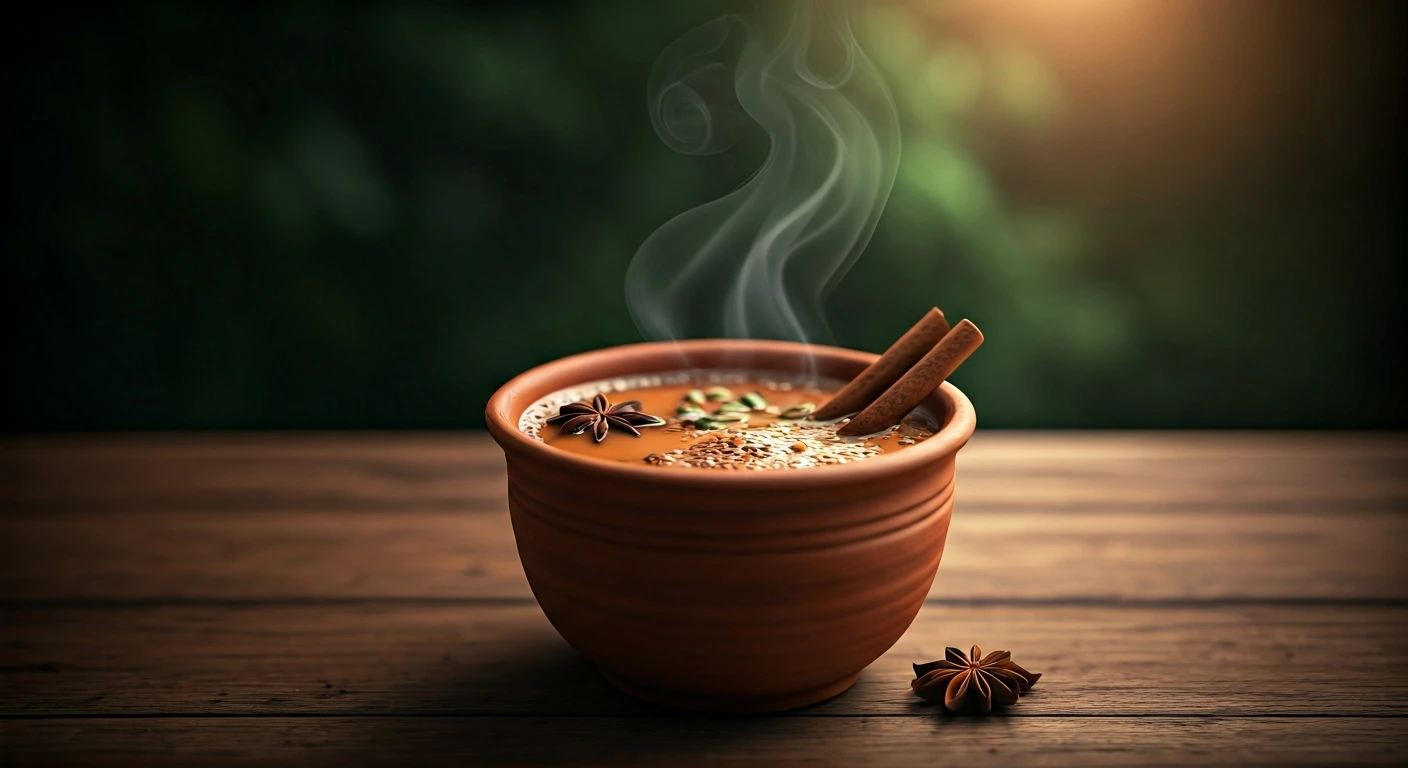
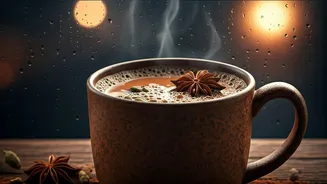
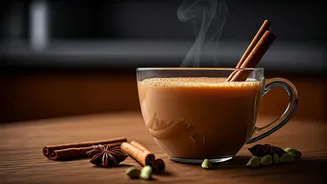
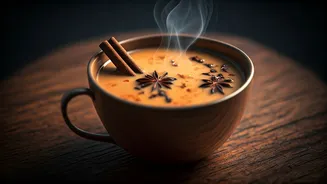
What gives chai its soul? It’s the alchemy of its spices. Each household has its own secret 'masala' blend, a fragrant fingerprint passed down through generations. The bedrock is almost always strong black tea and milk, but the magic lies in the additions. The sharp, zesty warmth of ginger cuts through the richness, while the floral, sweet notes of cardamom (elaichi) perfume the air. A stick of cinnamon adds a woody depth, cloves bring a pungent, almost medicinal comfort, and a few peppercorns lend a surprising kick that awakens the senses. This isn't just about taste; it's about aromatherapy. The moment the spices hit the hot water, they release an aromatic cloud that fills the kitchen. This scent is a powerful trigger for our memory, instantly connecting us to countless other times we've smelled it before—in our mother's kitchen, at a grandparent’s home, or during a festival. It’s a multi-sensory experience that goes far beyond a simple beverage.
The Great Indian Connector
Chai is arguably India’s greatest social lubricant. It transcends class, caste, and religion. The invitation, “Chai peete hain?” (“Let’s have tea?”), is an offer of conversation, connection, and companionship. It’s the fuel for ‘adda’ sessions at roadside stalls, where friends dissect everything from cricket to politics over small, steaming glasses. In the corporate world, the 'chai break' is an institution, a brief respite where hierarchies dissolve and colleagues can connect on a human level. When a guest arrives at an Indian home, the first thing they are offered is almost always a cup of chai. It's a fundamental gesture of hospitality, a symbol of welcome that says, “You are valued here. Please, sit. Stay a while.” In this way, chai isn’t just something we drink; it's something we do together. It’s the medium through which relationships are built and maintained, one shared cup at a time.
Brewing Memories and Belonging
Ultimately, the reason every sip feels like home is because chai is intertwined with our core memories of comfort and care. ‘Home’ is not just a physical place; it’s a feeling of safety, love, and belonging. Chai is a portable, brewable version of that feeling. It’s the taste of your mother’s hand expertly balancing the sugar and spices. It's the memory of huddling together with family during a monsoon downpour, sipping hot chai to ward off the chill. It's the comfort of a friend preparing a cup for you after a long, hard day. For the vast Indian diaspora, making a cup of masala chai is a way to combat homesickness, a tangible link to a culture and a life left behind. It’s a constant in a world of variables. No matter how far you travel or how much your life changes, the familiar taste and smell of a good chai can instantly transport you back to a place of unconditional comfort.