





It’s a frustratingly common kitchen scenario: you reach for a lemon to brighten up a dish, only to find it covered in a fuzzy white or green coat. The culprit is often not the fruit itself, but how it was stored. Here’s the science.
The Suffocating Effect of Plastic
The primary reason
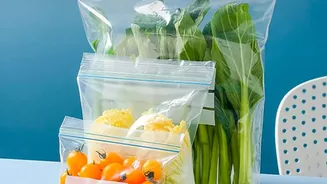
sealed plastic bags are a death sentence for citrus is trapped moisture. Fresh fruits, including lemons, limes, and oranges, are living things that continue to 'breathe' or respire after being picked. This process releases a small amount of moisture. When sealed in a non-porous plastic bag, that moisture has nowhere to go. It condenses on the inside of the bag and on the surface of the fruit, creating a humid microclimate. This damp environment is the perfect breeding ground for mold and bacteria, which are the primary drivers of rot. What starts as a single fuzzy spot can quickly spread, compromising the entire bag.
Why Airflow is Non-Negotiable
Beyond just moisture, sealed bags also trap ethylene, a natural plant hormone gas that accelerates ripening and decay. While citrus fruits are not heavy producers of ethylene themselves, confining what little they do release can speed up the spoilage process. More importantly, proper air circulation helps dissipate the moisture that the fruit releases, keeping the peel dry and less hospitable to mold. This is why storing citrus loose, in a mesh bag, or even in a paper bag with holes punched in it is far superior. These methods allow the fruit to breathe, letting moisture and ethylene gas escape instead of concentrating around the fruit.
The Fridge vs. The Counter
So if not in a sealed bag, where should your citrus live? The answer depends on how quickly you plan to use it. For citrus you'll consume within a week, a fruit bowl on the counter is perfectly fine. Keep them in a cool spot away from direct sunlight. For longer-term storage, the refrigerator is your best ally. The cold temperature slows down the fruit's respiration rate, which means it loses moisture more slowly and the aging process is delayed. Lemons, limes, and oranges can last for several weeks in the fridge. The ideal spot is loose in your crisper drawer, which helps maintain a good level of humidity without being overly damp. If you need to contain them, opt for a mesh or perforated bag, never a sealed one.
Smarter Storage for a Longer Life
To get the absolute most out of your citrus, follow a few simple rules. First, always inspect your fruit before storing it and remove any that are already bruised or showing signs of mold, as one bad apple (or orange) really can spoil the bunch. Second, resist the urge to wash your citrus until right before you use it. Storing wet produce is a surefire way to encourage decay. If you do wash it beforehand, make sure it is completely dry before it goes into the fridge. For lemons and limes in particular, which can dry out faster than oranges, refrigerator storage is key to keeping them plump and juicy. Some people even have success storing whole lemons in a sealed container of water in the fridge, which can keep them fresh for a month or more, though this requires changing the water periodically.