




The World Wakes Up to 'Swicy'
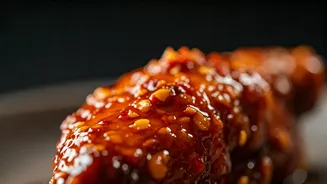
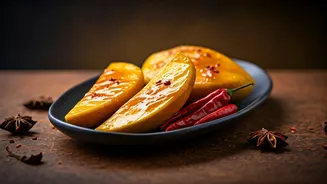
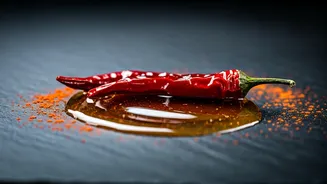
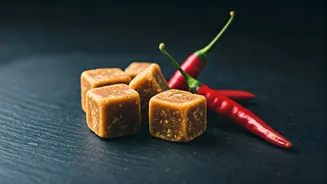
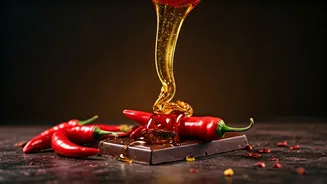
From hot honey drizzled on pizza to spicy mango cocktails, the culinary world is buzzing about 'swicy'—a portmanteau of sweet and spicy. [5, 6] This flavour combination has been dubbed a top food trend, exciting the palates of Gen Z and Millennial foodies
who crave complex, multi-layered taste experiences. [3, 5] Brands and social media influencers are championing this 'new' sensation, which pairs the comforting allure of sugar with the thrilling kick of spice. [2, 4] Yet, while the West is having its moment with swicy, in India, this is a story that's as old as our masalas. For us, it’s not a trend; it's tradition.
An Age-Old Culinary Philosophy
Long before chilli peppers arrived in India in the 1500s, our cuisine was built on balancing flavours. [13] Ancient culinary wisdom, particularly Ayurveda, is rooted in the principle of 'Shad Rasa,' or the six tastes: sweet, sour, salty, pungent, bitter, and astringent. [9, 11] A balanced meal, which ideally contains all six, is believed to lead to satisfaction and good health. [14] The combination of sweet (madhura) and pungent (katu) is fundamental to this philosophy. Sweetness, derived from jaggery, fruits, or coconut, is seen as nourishing, while pungency, from spices like black pepper and ginger, stimulates digestion. [15, 18] This isn't about simply mixing two tastes; it's a sophisticated art of creating harmony on a plate, a practice perfected over millennia. [19]
The Swicy Spectrum Across India
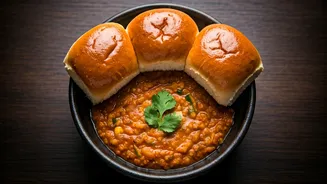
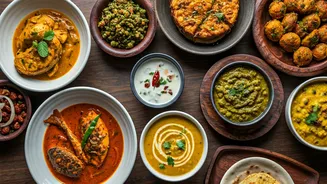
Look at any regional cuisine in India, and you'll find the sweet and spicy pairing in abundance. The most obvious example is our universe of chutneys and pickles—from the sweet-and-sour tamarind (imli) chutney that is the soul of chaat to the sweet-and-spicy mango pickles that accompany every meal. In Gujarat, it's a defining characteristic, where dals and vegetable dishes often have a delicate balance of jaggery and spice. Parsi cuisine features dishes like Dhansak, a masterful sweet, sour, and spicy lentil curry. [12] Goan Vindaloo, despite its fiery reputation, traditionally includes jaggery to balance the heat and vinegar. [17] Even in South India, you find gems like Udupi's 'Kabbu Gojju' (Spicy Sugarcane Curry) or tamarind rice, which perfectly embody this complex flavour profile. [22, 24]
The Science of Deep Satisfaction
There’s a scientific reason this combination feels so good, and it explains why it's a 'comfort zone'. The capsaicin in chillies triggers pain receptors on our tongue, which in turn causes our brain to release endorphins—natural pleasure-producing chemicals. [7] The sweet elements in a dish then help to temper this heat, creating a uniquely addictive cycle of gentle pain and pleasure. [10] Sugar can essentially soothe the burn, allowing you to appreciate the flavour of the chilli without being overwhelmed. [5] This creates a dynamic, exciting experience that is far more interesting than a one-note dish, keeping our taste buds engaged and coming back for more. [2]
More Than a Taste, It's a Feeling
Ultimately, the reason swicy flavours resonate so deeply in India is because they are tied to memory and emotion. It’s the taste of after-school imli candies, the comforting warmth of a festive korma, and the delicious chaos of pani puri with its spicy water and sweet chutney. It is the flavour of togetherness, of meals shared with family where every dish is a tapestry of tastes. [21] Indian cuisine has never been about single notes; it’s a symphony. Spices are not just for heat but for creating layers of complex, aromatic, and deeply satisfying flavour. [19, 23] The balance is everything.