

The Search for a Calmer Buzz
The primary driver behind the switch from coffee to matcha is the feeling it produces. While coffee provides a rapid, sometimes jarring, spike of energy, matcha offers what many describe as a “calm alertness”. This is due to a unique combination of caffeine
and an amino acid called L-theanine, which is found in high concentrations in shade-grown green tea. The L-theanine smooths out the effects of the caffeine, promoting alpha brain wave activity—the same kind associated with a state of relaxed focus or meditation. The result is sustained energy and improved attention without the jitters, anxiety, or the notorious coffee crash that many experience in the late afternoon. For a generation reporting high levels of anxiety, this more balanced boost is a significant draw.
A Ritual in a Rushed World
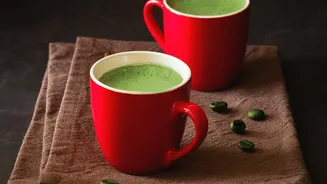
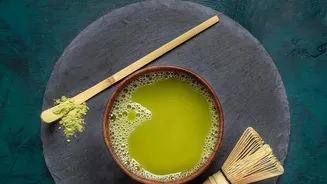
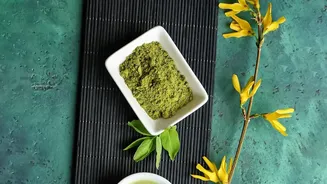
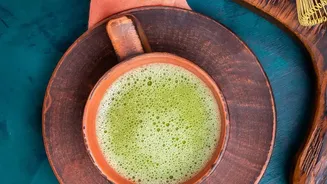
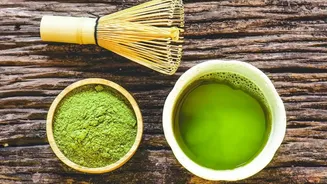
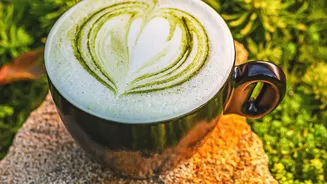
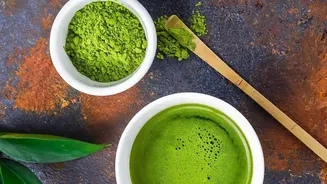
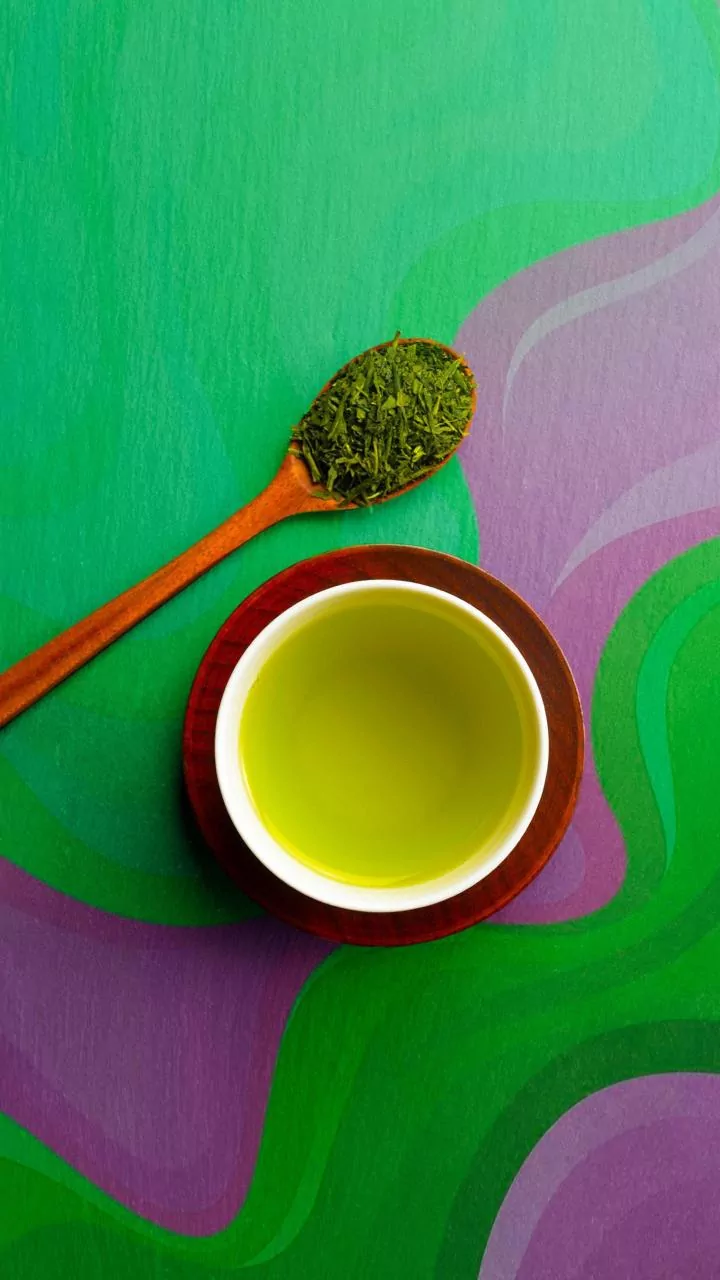
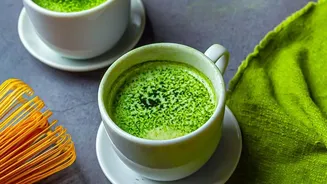
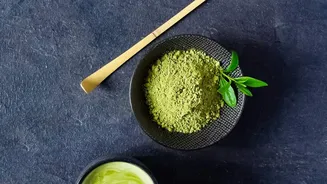
Beyond the biochemical effects, the preparation of matcha itself offers a stark contrast to the grab-and-go nature of coffee. The act of sifting the vibrant green powder, adding warm water, and whisking it into a froth is a small, mindful ritual. In a work culture defined by constant notifications and digital distractions, this brief, hands-on process provides a moment of intentional calm. This appeal to “slow living” resonates with younger workers who are increasingly seeking ways to build small moments of mindfulness into their hectic schedules. The aesthetic appeal is undeniable as well; the beautiful jade-green color of matcha is highly shareable on social media platforms like Instagram and TikTok, which has fueled its visibility and popularity among Gen Z and millennials.
Wellness as a Top Priority
Younger generations are highly health-conscious, often prioritizing wellness and clean ingredients in their consumption choices. They are increasingly wary of beverages high in sugar and artificial ingredients. Matcha fits neatly into this wellness-first lifestyle. Because you consume the entire ground leaf, you get a concentrated dose of antioxidants, particularly catechins like EGCG, which are linked to metabolic and cellular health. Many drinkers also find matcha gentler on the stomach than acidic coffee. The shift towards functional beverages—drinks that do more than just hydrate or stimulate—is a major trend, with consumers looking for benefits like gut support, stress reduction, and enhanced focus.
Avoiding the Afternoon Crash
The midday coffee is often a response to the energy dip from a morning cup. Coffee's caffeine is absorbed quickly, leading to a sharp peak followed by a potential crash as adenosine, the compound that makes us feel sleepy, rushes back in. Many find themselves in a cycle of needing another coffee just to combat the effects of the first one. Matcha's caffeine, partly due to the presence of L-theanine and other compounds, is absorbed more slowly by the body. This creates a more gradual, sustained energy curve that can last for several hours, making it an ideal choice to power through the afternoon without setting yourself up for another sharp decline in energy.