








The Rush of a Lifetime
It was a wild ride. For a few years, it seemed like everyone knew someone who had made a small fortune overnight. Spurred on by social media platforms like Reddit and X (formerly Twitter), a new generation of investors piled into so-called meme stocks.
These were often shares of struggling companies that captured the internet's imagination, sending their values soaring based on hype rather than fundamentals. This era was defined by a fear of missing out (FOMO) and the tantalizing prospect of turning a small stake into life-changing money. The allure was less about traditional investing and more about participating in a cultural moment, a digital gold rush where quick gains seemed just a tap away on a trading app.
The Inevitable Hangover
As quickly as the frenzy started, the reality set in. For every story of a massive win, there were countless others of devastating losses. The same volatility that created overnight millionaires also wiped out the savings of those who bought in at the peak. Investors learned the hard way that timing the market is a near-impossible game. The stress of constant market-watching, the emotional whiplash of seeing fortunes made and lost in hours, and the ultimate unsustainability of hype-driven rallies led to widespread burnout. Reports from early 2026 show that while younger investors are still drawn to high-risk assets, many do so from a feeling of being financially behind, seeing it as a desperate shortcut. This has created a clear distinction between investing and gambling.
The Boring, Beautiful Alternative
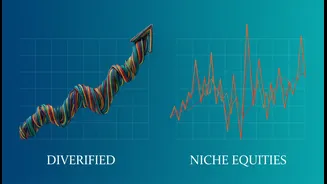
Enter the index fund. In almost every way, it's the polar opposite of a meme stock. An index fund is a type of investment that holds a wide variety of stocks, designed to mimic the performance of a market benchmark like the Nifty 50 or the S&P 500. Instead of betting on a single company, you're buying a small piece of the entire market. This strategy, known as passive investing, isn't about beating the market; it's about matching it over the long term. The benefits, as discussed endlessly in online forums, are compelling: instant diversification which reduces risk, remarkably low fees compared to actively managed funds, and a 'set it and forget it' simplicity that appeals to those weary of the trading frenzy.
Wisdom of the Online Crowd
The same online forums that once championed high-risk plays are now hotbeds of advocacy for this slow and steady approach. A scroll through Reddit's popular finance communities reveals a significant shift in tone. Threads are filled with advice encouraging young investors to establish an emergency fund, max out their retirement accounts, and consistently invest in low-cost, broad-market index funds. The mantra has changed from "to the moon!" to "time in the market beats timing the market." This collective pivot reflects a growing financial maturity. Anecdotes from users who have given up trying to pick individual stocks in favour of boring index funds are common, citing peace of mind and better long-term performance. This digital word-of-mouth has made passive investing the default strategy for a new generation.
A New Chapter in Millennial Investing
This movement isn't about giving up on building wealth. It's about getting smarter and more strategic about it. The initial chaos of meme stocks served as a valuable, if painful, lesson for many. It highlighted the difference between speculation and investment. While some investors still allocate a small portion of their portfolio to riskier assets, the core strategy for many millennials is now anchored in the proven consistency of passive index funds. This isn't the flashy, exciting world of overnight riches, but a more deliberate and, ultimately, more reliable path toward long-term financial security. It's a recognition that building lasting wealth isn't a sprint fueled by hype, but a marathon powered by discipline and patience.