


Embrace a Chef's Mindset
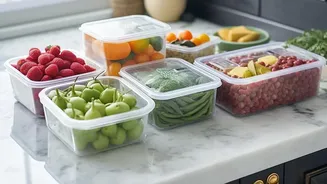
Professional chefs have a secret weapon for managing chaos in a busy kitchen: 'mise en place'. This French term, meaning “everything in its place,” is a philosophy of preparing and organizing all your ingredients before you even start cooking. For the
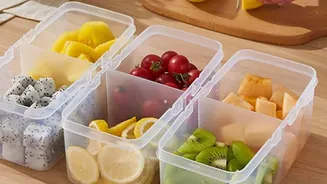
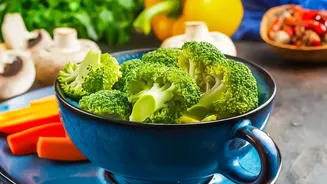
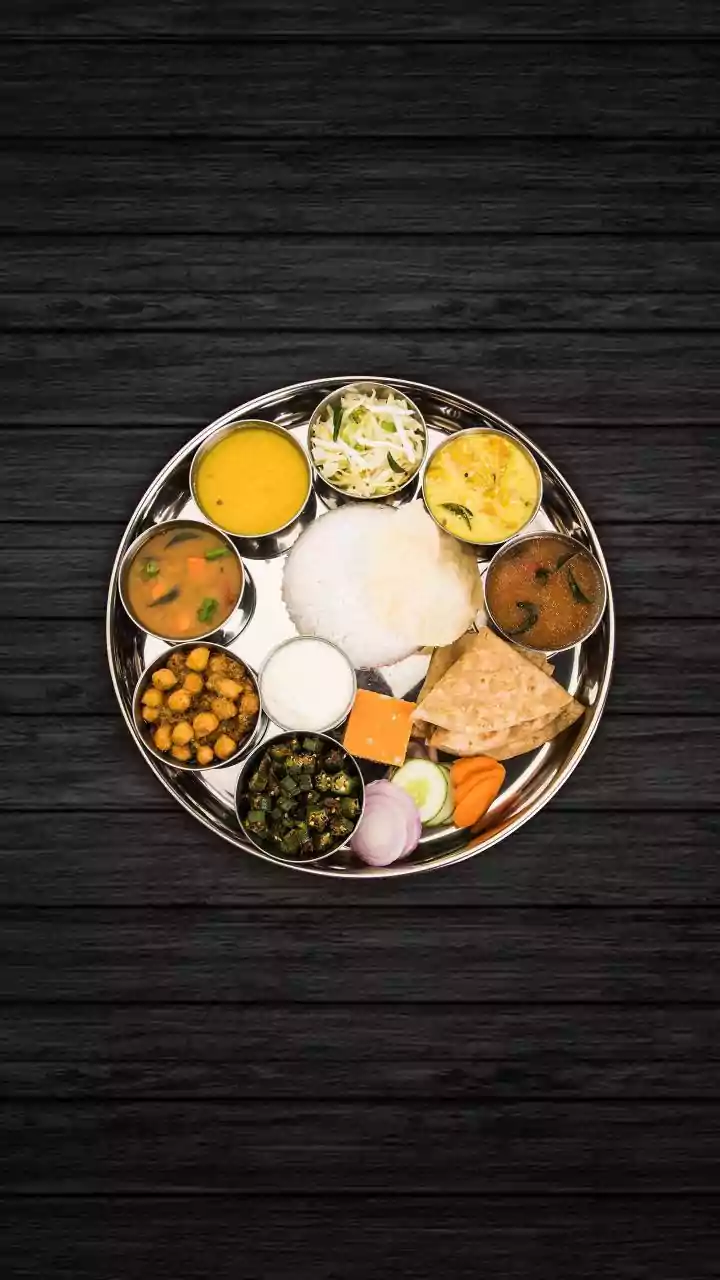
home cook, this means reading your recipes, then chopping all your vegetables, measuring all your spices, and portioning everything out for all the dishes you plan to make. If you're making a dal, a sabzi, and a raita, identify the common ingredients. You can chop all the onions, tomatoes, and chillies for every dish at once, saving you from repeatedly pulling out and cleaning your knife and chopping board. This method turns cooking from a frantic scramble into a calm, predictable process.
The Art of Strategic Prep
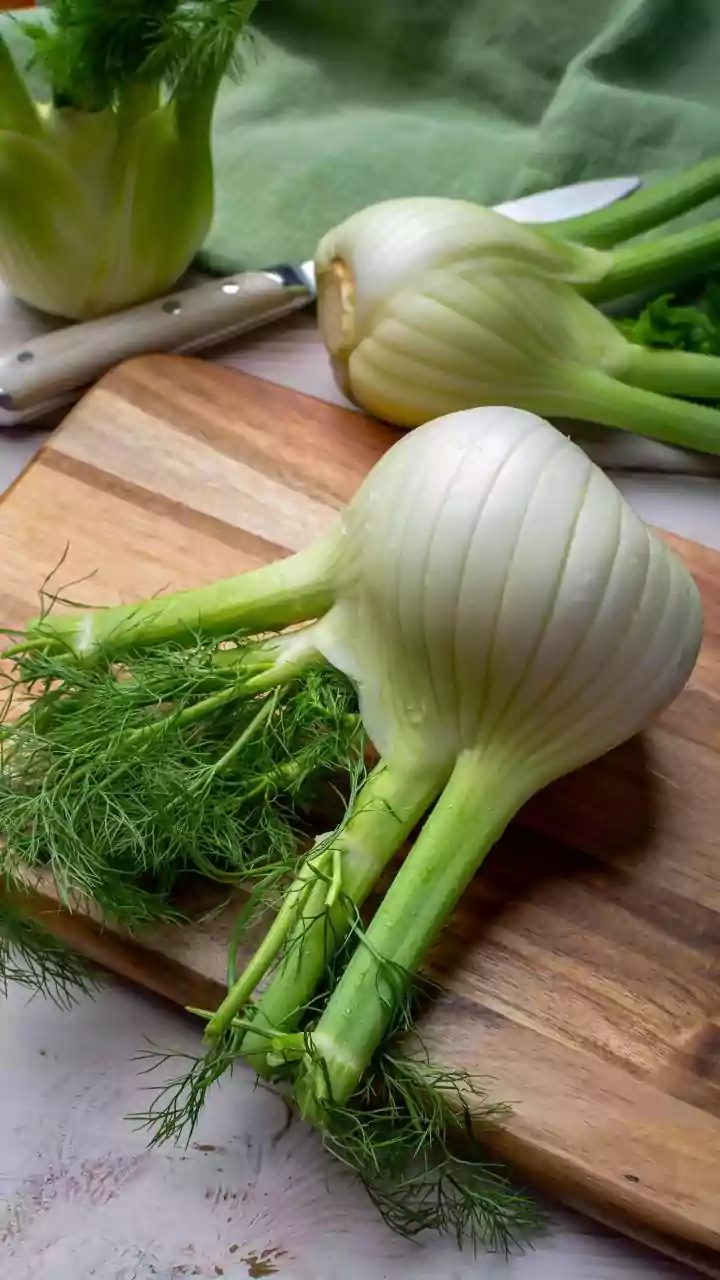
Think of your preparation as a single, consolidated task rather than a series of small ones. Group similar tasks together. Do all your peeling at once, then all your chopping, then all your grating. When it comes to your chopping board, sequence your ingredients smartly to minimize washing. Start with dry ingredients like onions and garlic. Move on to vegetables that don't 'bleed' color, like capsicum or beans. Then, chop items like tomatoes or fresh coriander. This logical flow keeps your board cleaner for longer. By prepping common components for multiple meals—like a big batch of ginger-garlic paste or a basic onion-tomato masala—you create building blocks that can be used throughout the week, drastically cutting down on daily prep time.
Make Your Cookware Work Harder
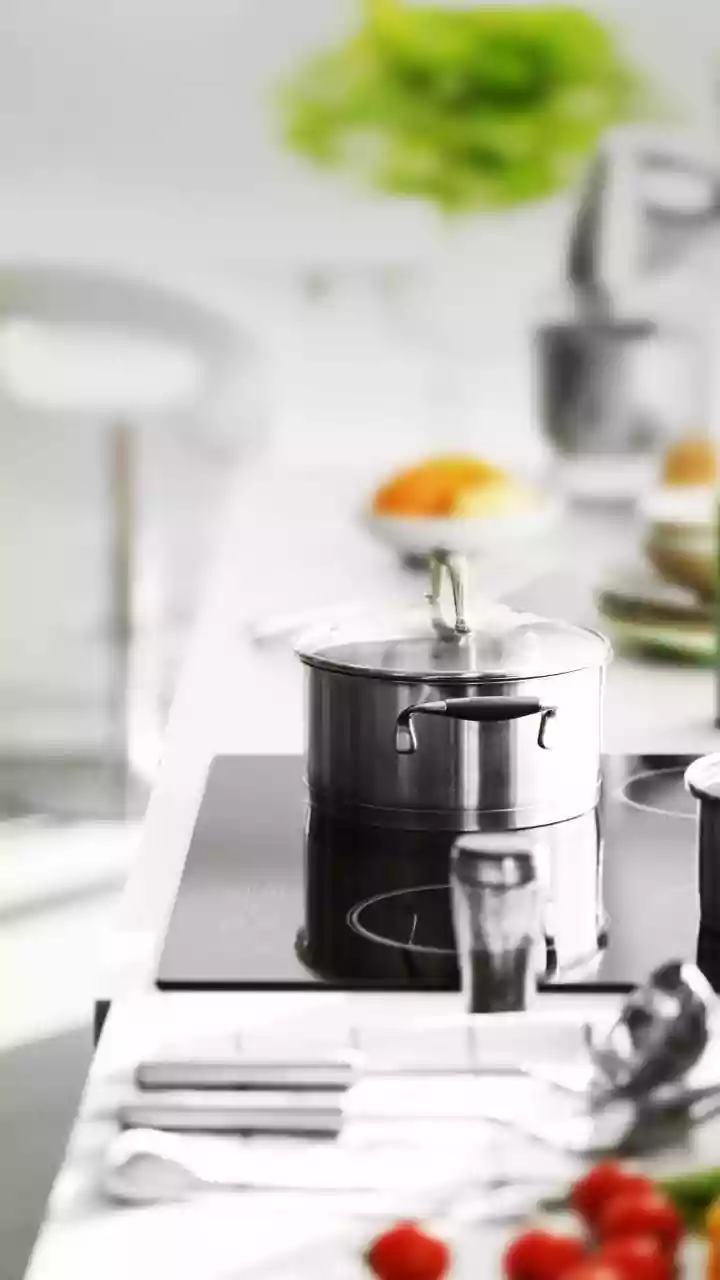
One of the biggest culprits of a messy kitchen is using a different pot or pan for every single component of a meal. A more efficient approach is to think sequentially. You can often use the same pan for multiple steps. For instance, you can toast spices in a dry kadai, remove them, and then use the same pan to start your gravy. Or, you can sear your chicken or paneer, set it aside, and then sauté your vegetables in the same pan, taking advantage of the flavorful bits left behind. This not only reduces the number of dishes you have to wash but also adds a deeper layer of flavor to your final dish. Fewer dishes means less time spent at the sink and more time enjoying your meal.
Rethink 'Clean As You Go'
The classic advice to 'clean as you go' is sound, but it can be optimized. Instead of frantically washing every bowl and spoon the second you’re done with it, think in terms of workflow. Are there moments of downtime in your cooking, like when you're waiting for water to boil or for a gravy to simmer? That's the perfect time to tackle a few dishes. More importantly, ask yourself if an item can be reused. The bowl that held your chopped onions can likely be used for your chopped tomatoes without needing a wash. The same measuring cup for flour can be used for sugar. This isn't about being unhygienic; it's about being practical and reducing unnecessary work, especially for ingredients that will ultimately be cooked together.