





If you love starting your day with a nutrient-packed smoothie but can't stand the gritty texture, you're not alone. The secret to a perfectly smooth, creamy blend lies in a simple, age-old kitchen practice: soaking and peeling your almonds.
The Quest for Creaminess
The primary,
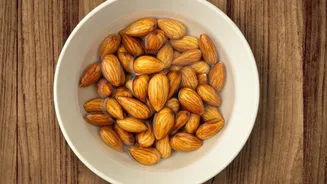
and most noticeable, benefit of soaking and peeling almonds is the incredible texture transformation. Raw almonds are hard and their skins, which contain tannins, can lend a slightly bitter taste and a grainy consistency to drinks. When you soak almonds, they absorb water and soften significantly. This process makes them easier to break down in a blender, resulting in a velvety, luxurious base for smoothies, almond milk, and other morning blends. Peeling the skin after soaking takes this a step further, removing the main source of grittiness and bitterness for a truly smooth finish. For anyone who has been disappointed by a chalky or sandy homemade almond milk or smoothie, this simple step is a game-changer.
Beyond Texture: A Boost for Your Digestion
While a creamy smoothie is a worthy goal in itself, the benefits of soaking almonds go deeper. The skins of raw almonds contain compounds like tannins and phytic acid, which are often called 'antinutrients'. Phytic acid can bind to minerals like calcium, iron, and zinc in your gut, potentially making it harder for your body to absorb them. Soaking helps reduce the concentration of these compounds. Although studies show the reduction in phytic acid from soaking alone can be modest, the process does make the nuts physically softer and easier to digest. For people who feel bloated or heavy after eating raw nuts, soaked and peeled almonds can feel much gentler on the stomach.
How to Soak and Peel Almonds: A Simple Guide
Ready to unlock the benefits for yourself? The process is incredibly simple. There are a few methods, depending on how much time you have. The most common method is the overnight soak. Simply place your raw almonds in a bowl, cover them completely with water, and let them sit on the counter for 8 to 12 hours. In the morning, drain the water—it's important to discard it as it contains the leached phytic acid and tannins. The skins should now be soft and wrinkled. Gently pinch each almond between your thumb and forefinger, and the skin should slip right off. If you're short on time, you can use a hot water method. Cover the almonds with boiling water and let them sit for 30-60 minutes, or boil them for just one minute, drain, and rinse with cold water. The skins will slide off just as easily.
Making the Most of Your Soaked Almonds
Once your almonds are soaked and peeled, they are ready for action. Their soft, buttery texture is perfect for blending into morning smoothies, creating homemade badam milk, or grinding into a fine paste for gravies and desserts. If you aren't using them right away, be sure to dry them thoroughly. Pat them dry with a clean cloth and spread them on a tray to air-dry for a few hours. Damp almonds won't grind into flour properly and can spoil more quickly. Once completely dry, you can store them in an airtight container in the refrigerator for up to a few weeks, ready to grab for a quick, creamy, and digestible nutrient boost any time.