





Living Temples on Wheels
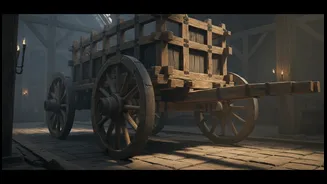
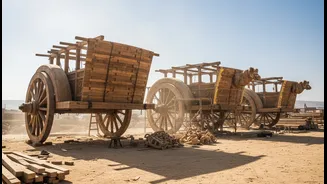
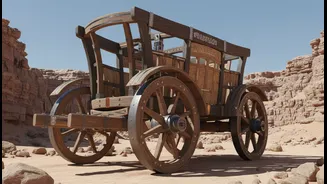
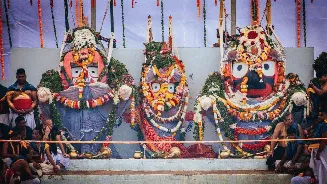
The Rath Yatra is defined by its three magnificent chariots: Nandighosha for Lord Jagannath, Taladhwaja for Lord Balabhadra, and Darpadalana for Goddess Subhadra. These are not just vehicles; they are towering architectural wonders, newly constructed
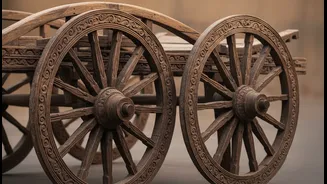
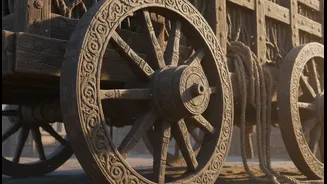
every single year. Nandighosha, the tallest at around 45 feet, has 16 wheels. Taladhwaja stands at 44 feet with 14 wheels, and Darpadalana at 43 feet with 12 wheels. Each chariot is a vibrant spectacle, draped in specific colour combinations of red, yellow, green, and black cloth that signify the deity within. The construction is a sacred ritual, a science, and an art form rolled into one, representing a direct link to centuries of accumulated knowledge.
The Blueprint in Their Blood
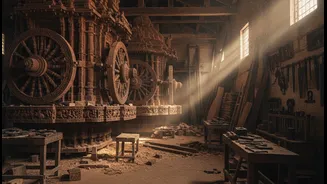
In an age of digital blueprints and automated factories, the chariots are built without a single architectural drawing or modern machine. The knowledge is hereditary, passed down through generations of servitors, primarily the 'Biswakarma Maharanas' (carpenters) and 'Kamara Sevaks' (blacksmiths). These craftsmen, many of whom have no formal schooling, use an ancient system of measurement based on hand and finger sizes ('haat' and 'anguli'). This oral tradition ensures that the chariots, despite being built from scratch annually, are identical in their core dimensions and structure year after year, a testament to the precision of memory and practiced skill.
The Science of Sacred Timber
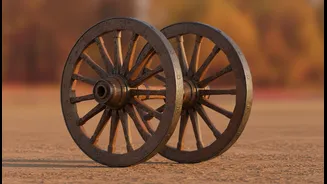
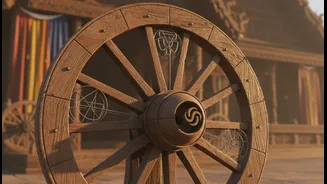
The entire process begins with the careful selection of wood. Around 865 logs of specific trees like Phasi (Anogeissus acuminata), Dhausa (Anogeissus latifolia), and Asana (Terminalia elliptica) are sourced. These trees, which must be pencil-straight and of a specific girth, are traditionally brought from the forests of Nayagarh and Khurda. The selection is not just about size; the properties of each wood type are critical. For instance, the strong Phasi wood is essential for crafting the massive seven-foot-diameter wheels. This reliance on specific, slow-growing trees has raised concerns about sustainability, leading to reforestation projects and donations from private landowners to maintain the sacred supply.
Assembly Without a Single Iron Nail
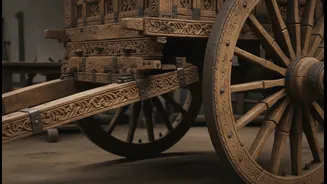
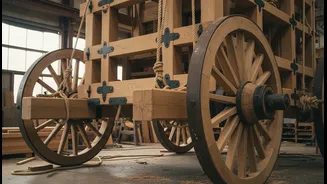
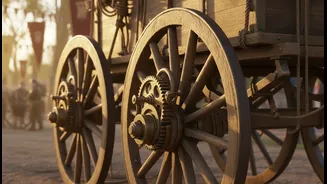
Perhaps the most astonishing aspect of the chariots is their construction without using iron nails in the main structure. The massive wooden components, numbering over 2,000 for the largest chariot, are joined using a sophisticated system of wooden pegs, dowels, and interlocking joints—a technique known as 'salabendha'. This form of joinery allows the massive structures to have a degree of flexibility, crucial for navigating the procession route. While the primary structure is nail-free, the hereditary blacksmiths or 'Kamara Sevaks' play a crucial role, hand-forging thousands of iron clamps, brackets, and fittings that reinforce specific parts, especially the wheels. More than three tonnes of iron are used for these essential fittings.
An Evolving Tradition
While tradition is paramount, the mechanics are not entirely static. Over the years, subtle innovations have been introduced to enhance safety and efficiency without compromising the core principles. The traditional braking system, which involved servitors manually pressing a wooden log against the wheels, has been improved. Following an engineer's innovation, the brake logs are now reinforced with special rubber fibre and spikes, offering better grip and control over the colossal structures. Similarly, heavy-duty jacks are now used to help fit the massive wheels, and mechanical saws help in the initial cutting of the timber, saving valuable time while preserving the hand-craftsmanship for the intricate final assembly.