


The Fasting Philosophy
Navratri fasting is about more than just abstinence; it’s a spiritual practice of eating 'sattvic' or pure foods that are light and easy to digest. This means regular grains like wheat and rice, lentils, onions, garlic, and table salt are avoided. Instead,
kitchens embrace a different pantry: flours like buckwheat (kuttu) and water chestnut (singhara), millets like barnyard millet (samak), and staples like tapioca pearls (sabudana), potatoes, and all kinds of fruits and dairy products. Spices are minimal, with rock salt (sendha namak) replacing regular salt. This shift results in a cuisine that is both a culinary challenge and a delicious celebration.
Sabudana Khichdi: The Pearly Delight
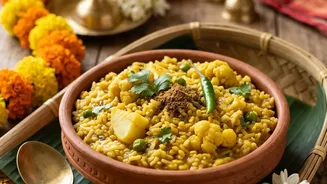
A staple in Western India, particularly Maharashtra, Sabudana Khichdi is a beloved fasting dish. These chewy tapioca pearls are transformed into a savoury and satisfying meal. To achieve the perfect non-sticky texture, the sabudana is soaked beforehand until it puffs up. It is then gently tossed in a pan with ghee, cumin seeds, curry leaves, green chillies, and boiled potato cubes. The masterstroke is the addition of roasted and coarsely crushed peanuts, which lend a delightful crunch and nutty flavour. A final squeeze of lemon juice brightens the entire dish, making it a perfectly balanced and energising meal for those observing a fast.
Kuttu ki Puri: The Hearty Flatbread
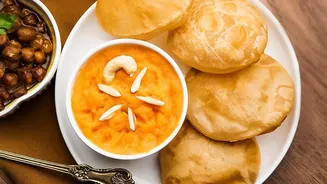
No Navratri thali in North India feels complete without Kuttu ki Puri. Kuttu, or buckwheat flour, has a distinct nutty and earthy flavour. Since it is gluten-free, the flour can be tricky to work with. The secret to a soft, pliable dough is mixing the kuttu atta with boiled and mashed potatoes, which act as a binding agent. Seasoned with rock salt and perhaps some cumin, small discs of this dough are deep-fried until they puff up into crisp, brown puris. They are incredibly filling and pair wonderfully with a simple, tangy potato curry (vrat wale aloo) made without onions or garlic.
Samak Pulao: The Fast-Friendly 'Rice'
For those who miss rice during the fast, Samak, or barnyard millet, is the perfect substitute. Despite its common name 'vrat ke chawal' (fasting rice), it is not a grain but a seed, making it permissible during Navratri. It's cooked much like a traditional pulao, tempered in ghee with cumin seeds and whole spices like cloves and peppercorns. Potatoes and peanuts are often added for texture and substance. The millet cooks quickly into a light, fluffy dish that is easy on the digestive system yet provides sustained energy, embodying the spirit of sattvic eating. It can be enjoyed with a side of plain yogurt or a fasting-friendly curry.
Singhare ka Halwa: A Nutty, Sweet Finish
Fasting meals often include a touch of sweetness for energy, and Singhare ka Halwa is a classic choice. Made from singhara atta (water chestnut flour), this dessert has a unique, slightly dense texture and a rich, dark colour. The flour is first roasted in a generous amount of ghee until it becomes aromatic and turns a darker shade of brown. A solution of sugar and water or milk is then added, and the mixture is cooked until it thickens into a glossy, smooth pudding. Flavoured with green cardamom powder and garnished with chopped nuts like almonds, this halwa is a warm, comforting, and decadent treat.
Aloo ki Sabzi & Other Accompaniments
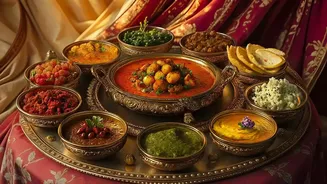
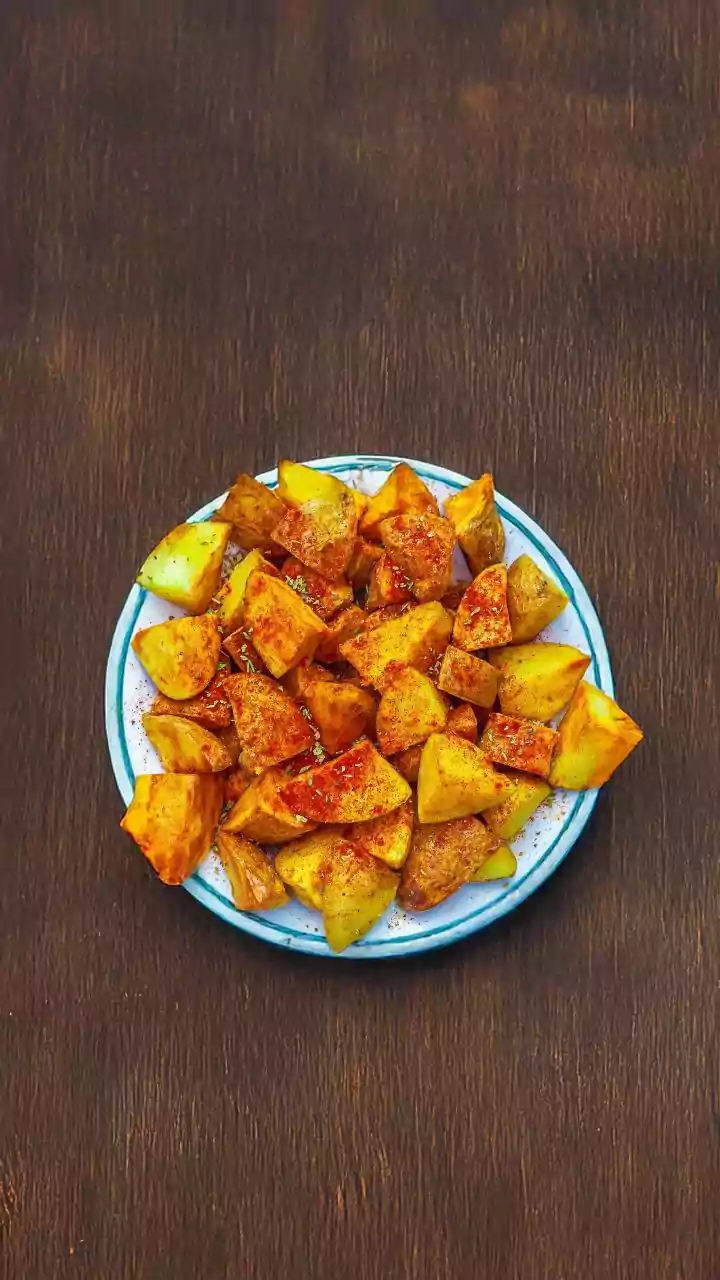
Potatoes are the undisputed hero of Navratri fasting. A simple and versatile 'vrat wale aloo ki sabzi' is the most common accompaniment. It is typically a thin, tangy curry made with boiled potatoes, tomatoes, green chillies, and ginger, seasoned with rock salt and black pepper. Another popular side is Makhana Kheer, a creamy pudding made from roasted fox nuts simmered in sweetened milk. For a lighter meal or snack, many enjoy fruit chaat, a simple mix of seasonal fruits tossed with rock salt and pepper, or a refreshing glass of lassi.