



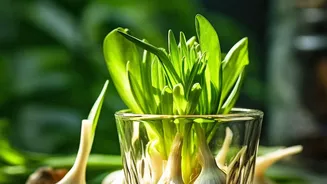
It’s a classic kitchen mystery: you buy a bag of potatoes, and a week later, they’re a soft, sprouted mess. The culprit might be hiding in plain sight. Storing onions and potatoes together is a common mistake that creates a perfect storm for spoilage.
The Gassy Culprit: Ethylene
The primary reason these two pantry staples are bad roommates comes down to a gas you can't see or smell: ethylene. Onions are high producers of this natural plant hormone. Ethylene acts as a ripening agent, signaling to nearby produce that it's time to mature and, eventually, break down. Potatoes are highly sensitive to this gas. When potatoes are exposed to the ethylene released by onions, it awakens them from their dormant state, triggering premature sprouting. Those little 'eyes' that pop up are a direct result of this gaseous interaction, and they indicate the potato is past its prime, with changes in both texture and flavor.
A Mutually Destructive Relationship
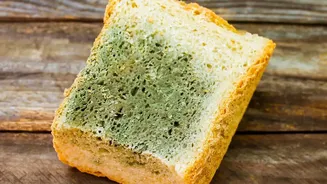
The negative effects aren't a one-way street. While onions are busy gassing the potatoes into sprouting, the potatoes are fighting back with moisture. Potatoes have a high water content and release moisture, especially when stored in a space without great ventilation. Onions, which thrive in a dry environment, are excellent at absorbing this moisture. This dampness causes the onions to soften, turn mushy, and become susceptible to rot and mold. In short, when stored together, both vegetables create an environment that causes the other to spoil much faster than it would alone.
The Ideal Home for Potatoes
To give your potatoes their longest possible shelf life, you need to replicate the conditions of a root cellar. The key elements are cool, dark, dry, and airy. An ideal temperature is between 45 and 50°F. Light is a major enemy, as it not only encourages sprouting but can also cause the skin to turn green, which indicates the presence of solanine, a bitter compound that can be harmful if consumed in large amounts. Never store them in a plastic bag, which traps moisture. Instead, use a paper bag, a cardboard box, or a mesh bag to ensure good air circulation. And despite what you might think, the refrigerator is too cold; its low temperatures convert the potato's starches into sugar, negatively affecting its taste and texture when cooked.
Giving Onions Their Own Space
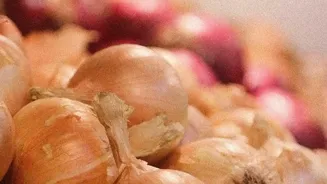
Onions share a few storage needs with potatoes—they also prefer a cool, dark, and dry place—but their need for ventilation is even more critical. Trapped moisture is the fastest way to a soft, moldy onion. Always remove onions from the plastic bags they are often sold in. A mesh bag, a wire basket, or even an old pair of pantyhose with knots tied between each onion provides excellent airflow. Like potatoes, whole onions should not be stored in the refrigerator. The cold, humid environment will make them soft and encourage mold growth. Keeping them a few feet away from your potatoes in a separate, well-ventilated container is enough to prevent a premature pantry disaster.