






The Monsoon Challenge for Balcony Gardens
Every plant lover in India welcomes the relief of the monsoon after a scorching summer. It’s a time of lush growth and rejuvenation. However, for plants in balcony pots, the season presents a unique set of challenges. Unlike plants in the ground, they
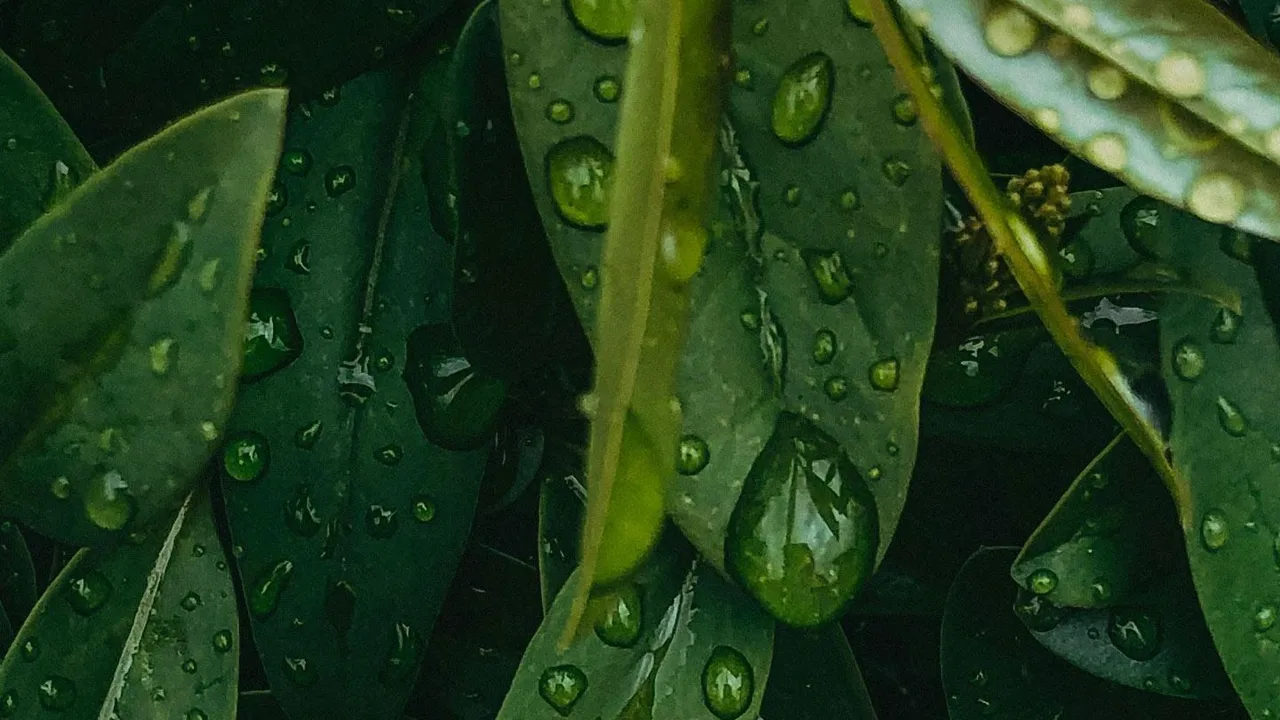
are entirely dependent on their container environment, which can quickly turn hostile. The primary issue is excessive water. Constant, heavy rainfall leads to waterlogged soil, suffocating roots and paving the way for root rot, one of the most common killers of potted plants. This constant moisture also creates the perfect breeding ground for fungal diseases like powdery mildew and harmful bacteria. Furthermore, the physical force of heavy raindrops can damage delicate leaves and flowers, while monsoon winds can break stems and topple pots. Nutrients are also at risk, as the continuous flow of water can leach essential minerals from the soil, leaving your plants undernourished.
An Introduction to Modular Rain Shields
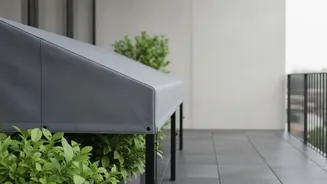
The headline solution is a proactive one: rain shields. While you can't stop the rain, you can certainly manage its impact. The term "modular rain shields" refers to a flexible approach to protecting your plants. Think of them not as a single product, but as a system of customizable covers you can install to deflect the worst of the downpour. These can be DIY creations or store-bought solutions. The core idea is to create a barrier that stops heavy, direct rainfall from saturating the pot's soil and battering the foliage. Critically, these shields are not solid, suffocating covers. A good shield allows for ample air circulation and light penetration, which are vital for preventing fungal growth and ensuring the plant can still photosynthesise. They are 'modular' because you can adapt them to different plant sizes and balcony layouts, installing them only when needed and removing them during breaks in the rain to allow for gentle, beneficial showers.
Your Rain Shield Options: DIY vs. Buying
Creating your own rain shields can be a simple and cost-effective weekend project. One popular DIY method involves using transparent materials like acrylic or polycarbonate sheets, which can be fixed to a simple wooden or PVC pipe frame. Even sturdy, clear plastic tarps can be fashioned into effective temporary covers. The key is to ensure they are securely anchored to withstand monsoon winds. For a simpler, no-build option, some gardeners repurpose items like large, overturned plastic storage bins or even old placemats to cover the soil surface of individual pots. If you'd prefer to buy a solution, look for products marketed as plant awnings, frost blankets, or row covers, which can be adapted for this purpose. In India, you might also find local vendors offering custom-made PVC or bamboo roller blinds for balconies, which serve a dual purpose of providing privacy and rain protection.
Beyond Shields: A Holistic Monsoon Care Guide
While shields are an excellent defence, they work best as part of a complete monsoon care strategy. First and foremost, ensure impeccable drainage. Check that every pot has clear drainage holes. If not, you must add them. Elevating your pots on stands or simple bricks allows excess water to escape freely and prevents plants from sitting in puddles. Next, adjust your watering schedule. The biggest mistake is to continue watering as you did in summer. Always check the soil first; if it’s damp an inch or two below the surface, do not water. Spacing your pots out to improve air circulation is also crucial in fighting off fungal infections. Finally, be vigilant about pests. The damp conditions are ideal for slugs, snails, and other pests. A regular spray with a gentle, organic solution like neem oil can help keep them at bay.
Pruning, Feeding, and Plant Selection
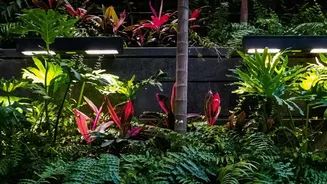
The monsoon is a time of rapid growth, which can get unruly. Regular pruning of dead or yellowing leaves and broken stems is essential. This not only keeps the plant looking tidy but also improves air circulation and directs the plant's energy towards healthy growth. When it comes to fertilizer, less is more during the monsoon. With the constant rain washing nutrients away, you might be tempted to feed more, but waterlogged roots can't absorb nutrients effectively. Stick to a light feeding schedule with organic compost or vermicompost every few weeks. For future planting, consider monsoon-friendly species. Plants like hibiscus, jasmine, peace lilies, ferns, and most palms thrive in the high humidity and are more resilient to the rainy season.