







The Problem with Potholes
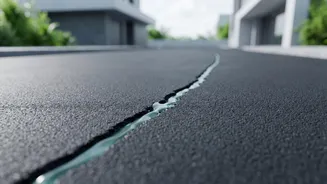
Potholes are more than just an inconvenience; they are a significant safety hazard and a drain on the economy. They begin as tiny cracks in the asphalt surface, often caused by the stress of heavy traffic and the natural aging of the road material. In
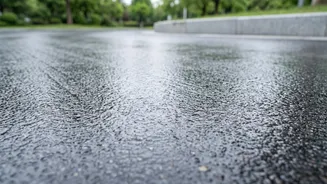
cities that experience heavy rainfall, this problem is magnified. Water seeps into these micro-cracks, weakening the underlying road structure. The pressure from passing vehicles then forces the water to expand and contract, dislodging the asphalt and creating the gaping holes that drivers know all too well. This cycle of damage leads to costly, constant repairs, traffic disruption, and vehicle damage. Traditional repair methods often involve patchwork that provides only a temporary fix, especially in wet conditions.
How Self-Healing Asphalt Works
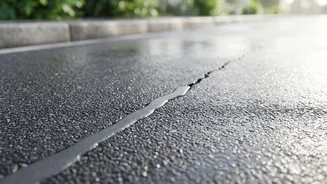
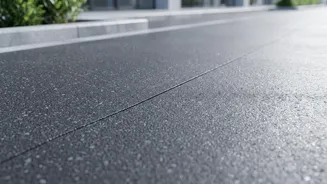
Imagine a road that can mend its own wounds. That is the promise of self-healing asphalt, an innovation designed to stop cracks before they become potholes. The technology works by embedding special additives into the standard asphalt mixture. There are two main approaches. The first involves adding tiny microcapsules filled with a rejuvenating agent, often a type of oil. When a micro-crack forms in the pavement, it ruptures these capsules. The released oil then seeps into the surrounding asphalt, softening the bitumen (the binder that holds asphalt together) and allowing it to flow and seal the fissure. This mimics natural healing processes and restores the road's integrity at a microscopic level, long before major damage occurs.
Another Method: Induction Heating
A second popular method uses conductive materials like steel fibres or iron oxide nanoparticles mixed into the asphalt. This doesn't heal automatically but enables a much faster and more efficient repair process. When cracks appear, a special maintenance vehicle passes over the road, generating a magnetic field. This field heats the metallic fibres through induction. The heat spreads to the surrounding bitumen, causing it to melt slightly and flow into the cracks, effectively re-binding the asphalt. The process is quick, targeted, and can significantly extend the lifespan of a road by up to double its normal duration, all without the need for extensive roadwork or traffic closures. The National Highways Authority of India (NHAI) has reportedly been exploring this steel fibre-infused asphalt to combat the country's pothole problem.
The 'Eco' in Eco-Binders
A key part of this new technology is the move towards sustainability. Traditional asphalt binder, or bitumen, is a petroleum product. The search for greener alternatives has led researchers to develop 'eco-binders' or 'bio-binders'. These are derived from renewable, organic sources such as agricultural waste, forestry residues, cooking oils, and even microalgae. Scientists have developed binders from algae that not only replace petroleum-based components but also enhance the asphalt's performance, making it more flexible in cold weather and resistant to moisture damage. Using these recycled and bio-based materials reduces the carbon footprint of road construction and decreases reliance on fossil fuels, making infrastructure more environmentally friendly.
The Road Ahead for India
Could this technology be the answer to India's perennial pothole crisis? The potential is enormous. Self-healing roads promise lower maintenance costs, reduced traffic disruption, and longer-lasting, safer highways. Research institutions in India, like IIT-Madras and the Central Road Research Institute (CRRI), are already experimenting with polymer-modified and bio-bitumen variants designed to withstand India's tropical climate and heavy traffic loads. While the initial cost of these advanced materials may be higher, the long-term savings from reduced repairs could be substantial. As the technology matures and becomes more scalable, these smart roads could shift road maintenance in the country from a reactive, costly cycle of patching holes to a proactive, sustainable, and much smoother future.