



Berbere: The Heart of Ethiopian Cooking
No exploration of African spices is complete without Berbere. This fiery, deep-red blend is the cornerstone of many Ethiopian and Eritrean dishes. Its name means ‘hot’ in Amharic, but its flavour is far more than just heat. Berbere is a complex mix that
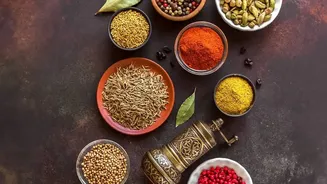
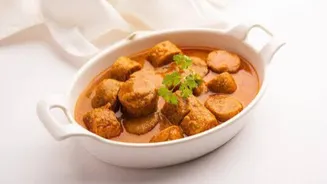
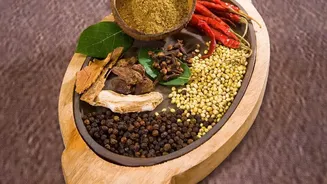
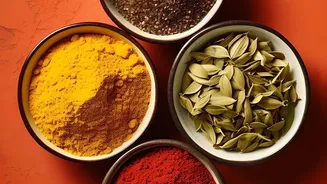
typically includes chili peppers, garlic, ginger, fenugreek, and aromatic spices like cardamom, coriander, cinnamon, and cloves. The exact recipe often varies from family to family, a closely guarded secret passed down through generations. The spices are toasted and ground, a process that awakens their deepest aromas. Berbere provides the soulful, warming base for iconic stews like Doro Wat (a chicken stew often considered Ethiopia's national dish), and adds a profound depth to lentils, vegetables, and meat rubs. Its flavour is pungent and robust with a sweet, citrusy finish that balances the initial spice.
Ras el Hanout: Morocco’s ‘Top Shelf’ Blend
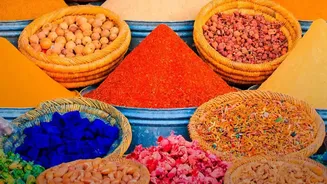
Translating to ‘head of the shop’ in Arabic, Ras el Hanout signifies the very best spices a merchant has to offer. This famously complex blend from Morocco and across North Africa doesn't have a single definitive recipe; some versions boast over 30 or even 40 different ingredients. Common components include warm spices like cinnamon, cumin, coriander, turmeric, and ginger, but more elaborate versions can feature exotic additions like dried rosebuds, lavender, or grains of paradise. The result is a fragrant, versatile seasoning that is more aromatic and warming than it is spicy. Its flavour profile is woody, sweet, and deeply pungent, lending an unmistakable character to tagines, couscous, and roasted meats and vegetables. Each blend is unique, representing the signature of a particular spice shop or family.
Dukkah: Egypt’s Nutty, Crunchy Condiment
Dukkah (also spelled duqqa) is an Egyptian treasure with ancient roots, its name deriving from the Arabic word 'to pound'. Unlike fine spice powders, Dukkah is a coarse, crunchy blend of nuts, seeds, and spices. Traditionally made at home using a mortar and pestle, common ingredients include toasted nuts like hazelnuts, almonds or pistachios, combined with sesame seeds, coriander, and cumin. The mixture is delightfully fragrant and savoury. Dukkah is incredibly versatile and often enjoyed simply by dipping fresh bread into olive oil, then into the blend. But its uses extend far beyond a simple snack. It can be used as a flavourful crust for chicken or fish, sprinkled over salads and soups for added texture, or scattered over a fried egg. It provides a satisfying crunch and a rich, nutty flavour that enhances almost any dish it touches.
Harissa: North Africa’s Fiery Chili Paste
Primarily associated with Tunisia but popular across North Africa, Harissa is a flavour-packed chili paste that adds a smoky, fiery kick to countless dishes. Its main ingredients are red peppers (often specific varieties like Baklouti), garlic, and a host of spices such as caraway seeds, coriander, and cumin, all bound together with olive oil. While it can be found as a dry spice blend, it is most commonly sold as a paste. The heat level can vary from mild and smoky to intensely spicy, but good Harissa is always complex. The name itself comes from the Arabic word for 'to pound', reflecting its traditional preparation. It’s a staple condiment used to season stews, soups, and couscous, as a marinade for grilled meats, or simply dolloped onto dishes as a final touch of flavour. In 2022, UNESCO even listed Tunisian Harissa as part of its Intangible Cultural Heritage.
Suya Spice (Yaji): The Taste of Nigerian Street Food
Suya spice, known as Yaji in Northern Nigeria where it originated, is the signature flavour of one of West Africa’s most beloved street foods: Suya, which are spicy grilled meat skewers. What makes this blend unique is its base of ground, roasted peanuts or a peanut powder product called Kuli-Kuli. This nutty foundation is mixed with spices like ginger powder, garlic powder, onion powder, and a generous amount of cayenne pepper or other dried chilies for heat. The result is a savory, nutty, and spicy rub that perfectly coats the meat before it hits the grill. The peanuts not only add flavour but also help create a delicious crust as the meat cooks. While most famously used on beef skewers, this versatile and aromatic blend is also fantastic on chicken, fish, or even roasted vegetables, bringing the irresistible taste of a Nigerian night market to any kitchen.