



A Sanctuary for the Stars
In December 2022, a region with a radius of roughly 22 kilometres in Hanle was officially designated as India's first Dark Sky Reserve. This special status means the area is committed to minimizing artificial light pollution to protect the natural darkness
of the night. The project is a collaborative effort between the UT Ladakh administration, the Ladakh Autonomous Hill Development Council (LAHDC), and the Indian Institute of Astrophysics (IIA). The goal is to safeguard the pristine skies for scientific research while creating a sustainable model of development. Unlike a national park, a dark sky reserve is a space where science and community life coexist under a shared commitment to keeping the night natural.
Why Hanle is India’s Cosmic Jewel
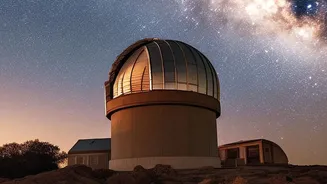
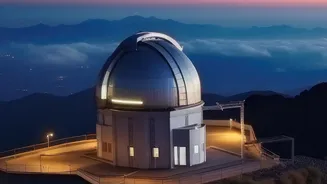
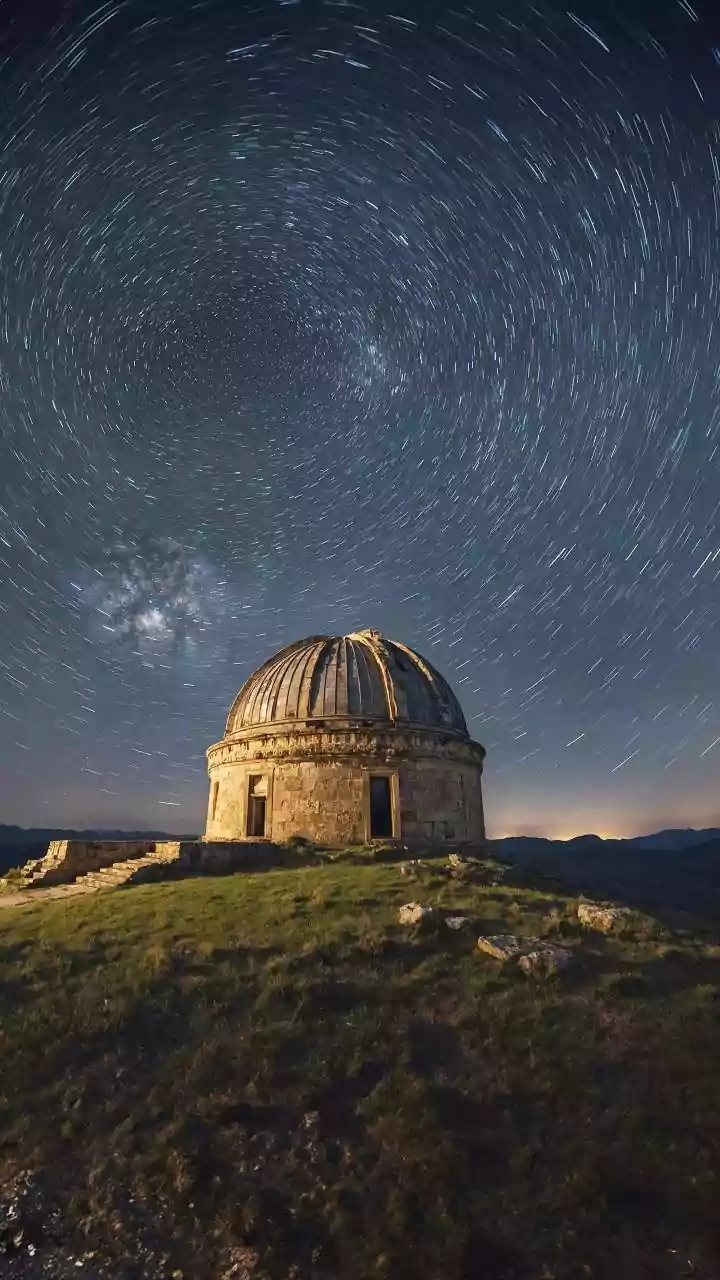
Hanle was not chosen by chance. Located in the Changthang region at an altitude of over 4,500 metres, it is one of the best locations for astronomy in the world. Its high altitude, extremely dry conditions, and minimal cloud cover for most of the year provide exceptionally clear views of the cosmos. The air is thin and stable, which is perfect for powerful telescopes. For years, the Indian Institute of Astrophysics has operated the Indian Astronomical Observatory (IAO) here, home to some of the world's highest-altitude telescopes. The region's natural advantages mean it has a Bortle 1 rating, the darkest classification possible, making it a rare global site for observing faint celestial objects.
A Network of Community and Science
The success of the Hanle Dark Sky Reserve hinges on a unique network: a partnership with the local community. It is not just a top-down scientific project. The residents of Hanle and its surrounding hamlets are active participants. They have adopted light-discipline practices to protect the darkness that is so vital for the observatory and for the new tourism economy. This includes using shielded outdoor lights that point downwards, installing blackout curtains, and using warm-coloured bulbs to reduce glare and sky-glow. In return for their cooperation, the community benefits directly from the reserve's main purpose. This partnership ensures that preserving the night sky becomes a shared responsibility and a source of local pride and income.
The Dawn of Astro-Tourism
The Hanle Dark Sky Reserve is about more than just protecting scientific instruments; it's about creating a new, sustainable future for the local economy. The initiative is a major driver for astro-tourism, a growing global trend. The IIA has helped train local youths, providing them with telescopes and the skills to become astronomy guides. These guides now lead stargazing sessions for visitors, sharing their knowledge of the cosmos and enriching the tourist experience. This creates new livelihood opportunities through homestays and guided tours, allowing the community to benefit from the very darkness they are helping to preserve. It’s a model that turns a natural asset into a source of sustainable employment.
More Than Just a Pretty View
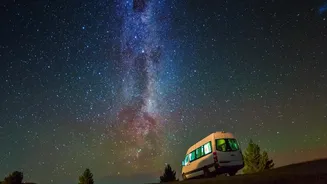
While the sight of the Milky Way arching across a perfectly dark sky is awe-inspiring, the benefits go much deeper. For science, the reduction of light pollution is critical. Even minor increases in ambient light can interfere with the sensitive telescopes at the IAO, hindering research into distant galaxies and stars. For the environment, darker nights are better for nocturnal wildlife within the Changthang Wildlife Sanctuary, where the reserve is located. Ultimately, the Hanle Dark Sky Reserve is a powerful statement about preserving our natural heritage. It recognizes that a clear, star-filled night sky is a resource worth protecting, just like our forests and rivers.