




Visa and Flights: Your First Savings
One of the biggest perks for Indian travellers is the visa process for Sri Lanka. As of 2026, Indian passport holders can get a free 30-day tourist Electronic Travel Authorization (ETA) online. This eliminates a significant cost that travellers from many
other countries face. You must apply for and receive this ETA approval before you depart, but the process is quick and done entirely online. When it comes to flights, the short distance between India and Sri Lanka is a major advantage. Direct flights from southern Indian cities like Chennai or Kochi to Colombo can be incredibly affordable, often costing less than domestic flights within India. Booking in advance and travelling during the shoulder seasons (May-June or September-October) can unlock even lower fares.
Accommodation: Embrace Local Hospitality
The tea country, with popular spots like Ella and Nuwara Eliya, is dotted with charming and budget-friendly accommodation options that offer more than just a place to sleep. Instead of large, impersonal hotels, solo travellers can save significantly by opting for family-run guesthouses and homestays. These places not only provide clean and comfortable private rooms for a fraction of the cost but often include a delicious, home-cooked Sri Lankan breakfast. Prices for a good guesthouse or homestay can range from just $10 to $25 USD per night, offering incredible value and a chance to connect with local families. Booking directly with the property can sometimes result in a better rate.
Transportation: The Scenic and Thrifty Route
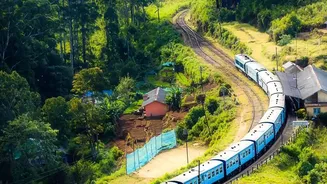
Getting around the tea country is an experience in itself, and it can be done very cheaply. The iconic train journey from Kandy to Ella is a must-do, offering world-class scenery for the price of a local commute. While there have been some service disruptions due to weather, the route is operational in sections. A second-class ticket, which offers a great balance of comfort and views with open windows, can cost as little as LKR 600 (around ₹250). For shorter distances between towns, local buses are the most economical option. They are frequent and connect all major hubs. For more flexibility, app-based services like PickMe are available in larger towns for hailing tuk-tuks at a fixed, fair price, avoiding the need to haggle.
Food and Drink: Eat Like a Local
One of the easiest and most enjoyable ways to save money is by eating at local eateries, often called "hotels." Here, you can get a massive, flavourful plate of rice and curry for LKR 300-800 (about ₹125-₹330), a fraction of what you would pay in a tourist-focused restaurant. Street food is another budget-friendly delight. Don't miss out on kottu roti, a satisfying dish made from chopped flatbread stir-fried with vegetables and spices, which you'll hear being prepared before you see it. Hoppers, bowl-shaped pancakes often served with an egg, are a perfect breakfast. By sticking to these local favourites, a daily food budget of under ₹1000 is easily achievable.
Activities: Free and Low-Cost Experiences
The beauty of the tea country is that many of its best experiences are free or very cheap. Hiking is a major draw, with trails like Little Adam's Peak and Ella Rock offering breathtaking views at no cost. Many tea plantations also offer free tours. Factories like the Kadugannawa Tea Factory in Kandy or the Dabutenne Estate near Haputale are known to provide complimentary tours where you can learn about the tea-making process and enjoy a sample. While some famous attractions have entry fees, you can easily fill your itinerary with stunning walks through villages, visits to local markets, and simply soaking in the incredible scenery from a guesthouse balcony.