
The Right Pot Makes a Difference
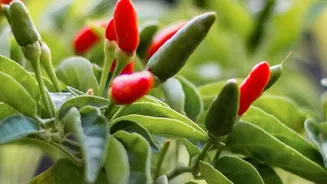
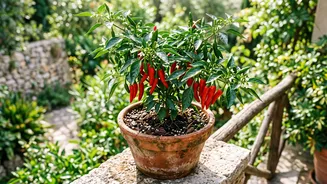
Choosing the right container is the foundation for a healthy chilli plant. Thai chilli plants are surprisingly compact, but their roots need adequate space to develop. A pot that is too small will restrict root growth, leading to a stunted plant and a disappointing
harvest. As a general rule, a container with a minimum depth and width of 12 inches is a good starting point. Many gardeners find that a 3 to 5-gallon (around 11 to 19 litres) pot is ideal for most Thai chilli varieties. Some growers have success with pots as large as 10 gallons, which gives the plant even more room to flourish. More important than the exact size is ensuring the pot has excellent drainage. Chilli roots hate being waterlogged, which can quickly lead to root rot. Always choose a pot with multiple drainage holes at the bottom.
Giving Your Plant Space to Breathe
While you might be tempted to put multiple plants in one large pot, Thai chillies perform best when they have their own space. Planting one chilli per pot is the recommended approach. This prevents the plants from competing for sunlight, water, and soil nutrients. Good spacing also ensures proper air circulation around the foliage, which is vital for preventing fungal diseases that can thrive in crowded, damp conditions. If you are planting in a larger raised bed, a spacing of about 18 to 24 inches between each plant allows them to mature without overcrowding each other. This breathing room lets each plant access the light it needs and develop a full, bushy shape, leading to a more robust yield of peppers.
Creating the Perfect Soil Mix
Thai chillies thrive in loose, well-draining soil that is rich in organic matter. Standard potting soil from a garden centre is a good base, but you can improve it for better results. A highly effective mix combines potting soil with components that improve both drainage and nutrient content. A common recipe involves mixing multi-purpose compost with about 10% perlite for drainage and 10% vermiculite for moisture retention. Adding well-rotted manure or compost will provide a slow release of essential nutrients. The ideal soil pH for chillies is slightly acidic to neutral, typically between 6.0 and 7.0. Avoid heavy garden soils or mixes that compact easily, as this can suffocate the roots.
Sunlight, Water, and Warmth
These peppers are native to a warm climate, and you need to replicate that environment as much as possible. Thai chilli plants are sun-lovers and require at least six hours of direct sunlight each day to produce a good crop of fruit. A south-facing window is ideal for indoor plants, though you may need to supplement with a grow light. Watering correctly is a balancing act. The soil should be kept consistently moist but never soggy. A good method is to water deeply whenever the top inch of soil feels dry to the touch. Container plants, especially on hot days, may need to be watered daily as the soil dries out much faster than in a garden bed.
A Guide to Feeding Your Chillies
To get the best possible harvest, you will need to fertilize your plants throughout the growing season. Chillies are hungry plants. When the plant is young, you can use a balanced, all-purpose vegetable fertilizer. However, once the plant begins to flower, it’s time to switch your strategy. At this stage, use a fertilizer that is lower in nitrogen and higher in phosphorus and potassium, often indicated by an NPK ratio like 5-10-10. This encourages the plant to put its energy into producing flowers and fruit rather than excessive leafy growth. Liquid tomato feed or a specialised chilli fertilizer, applied every few weeks according to the package directions, works very well. Avoid over-fertilizing, which can stress the plant.