




The Old Safari Model: Expensive and Exclusive
For decades, the classic Indian wildlife safari has been synonymous with significant expense. The traditional model involved flying to the nearest city, hiring a private vehicle for long road journeys to remote park gates, and staying in high-end jungle
lodges. While incredible, this structure often placed such trips beyond the financial reach of students, backpackers, and young professionals. The logistics were complex and the costs—for private transport, premium accommodation, and exclusive safari jeeps—added up quickly, making the dream of spotting a tiger in its natural habitat a luxury for a select few.
Enter the 'Bharat Gaurav' Initiative
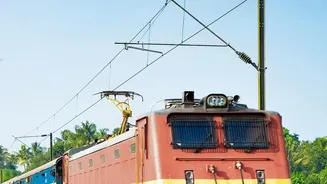
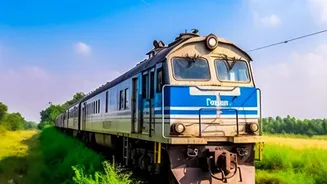
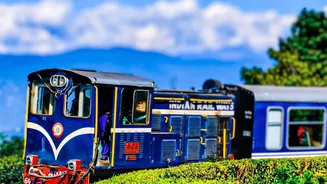
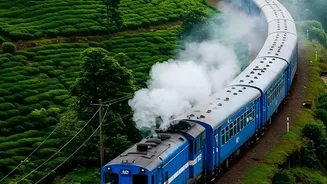
Indian Railways' 'Bharat Gaurav' scheme is a game-changer for domestic tourism. These theme-based tourist circuit trains are designed to showcase India's cultural and natural heritage in a convenient, all-inclusive package. While many circuits focus on pilgrimage or historical sites, the framework allows for the creation of specialised wildlife tours. These trains, which often feature various classes of accommodation from sleeper to AC tiers, bundle transport, accommodation, meals, and local excursions into a single, predictable cost. This model fundamentally restructures wildlife travel, replacing expensive private arrangements with a more communal and cost-effective approach.
Connecting the Offbeat Wildlife Corridors
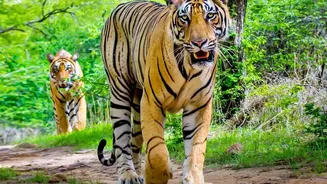
While famous parks like Kanha and Bandhavgarh have long been on the tourist map, Central India is home to a wealth of other vital habitats. New rail-based itineraries are providing easier access to these 'offbeat' gems. Parks like Tadoba Andhari, Pench, and Satpura Tiger Reserve, all in Maharashtra and Madhya Pradesh, are becoming central to these circuits. Lesser-known sanctuaries like the Bori Wildlife Sanctuary (part of the Satpura Tiger Reserve) and Panpatha Wildlife Sanctuary near Bandhavgarh offer a rawer, less crowded experience. These areas boast incredible biodiversity, including leopards, sloth bears, wild dogs, and of course, tigers, providing a more intimate connection with nature. The trains often use hub cities like Jabalpur, Nagpur, or Raipur as gateways, from where curated bus trips connect travellers to these wild spaces.
Breaking Down the Affordability Factor
The primary advantage for young travellers is the transparent, all-inclusive pricing. By booking a rail tour package, you eliminate the biggest variable costs: private car hire and fluctuating lodge prices. IRCTC and other operators often offer packages that include train fare, all meals, hotel stays or resort accommodation near the parks, and the safari jeep fees. This packaged model allows for much easier budgeting. Group travel on the train and for local bus transfers further brings down the per-person cost, a significant departure from the individualised, expensive safari model of the past. For example, a multi-day package can consolidate costs that would otherwise be booked separately and at a premium.
A Practical Guide for the Young Explorer
Planning your rail-based safari is simpler than you think. Keep an eye on the official IRCTC Tourism website for announcements on new 'Bharat Gaurav' and other special tourist trains. These packages are often announced seasonally, aligning with the park opening times (typically October to June). Booking in a small group can sometimes unlock further discounts. Since these are package deals, you travel with a diverse group of people, which can be a great experience for solo travellers. Pack light but smart: comfortable walking shoes, neutral-coloured clothing to blend in with the environment, a hat, sunscreen, and a good pair of binoculars are essential. Most importantly, book well in advance, as these affordable tours tend to fill up quickly.