



Understanding the 'Danger Zone'
The core principle of food safety revolves around temperature. Bacteria that cause foodborne illness multiply rapidly in what is known as the “Danger Zone,” a temperature range between 40°F (4°C) and 140°F (60°C). In fact, bacteria can double in number
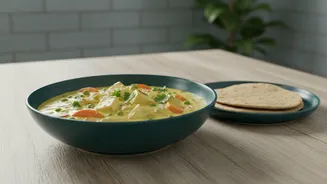
in as little as 20 minutes within this range. The primary goal when handling leftovers is to move them through this danger zone as quickly as possible. Leaving a large pot of soup, chili, or curry to cool on the counter for hours is one of the most common mistakes, creating a perfect breeding ground for harmful pathogens. According to food safety guidelines, perishable foods should not be left at room temperature for more than two hours.
The Problem with Large, Hot Pots
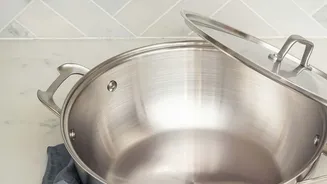
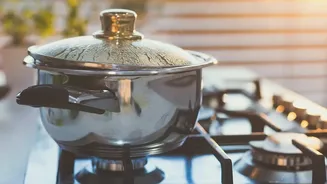
A large, deep pot of hot food acts as its own insulator. While the food on the outer edges may cool down, the centre can remain in the temperature danger zone for many hours, even if placed in a refrigerator. Putting a very large, hot container directly into the fridge is not only ineffective for cooling but can also raise the ambient temperature of the refrigerator itself, potentially putting other stored foods at risk. The sheer volume and density of the food make it difficult for the cold air to penetrate and cool the contents evenly and quickly. This is why simply transferring the pot from the stove to the fridge isn't the safest method.
The Two-Stage Cooling Method
Food safety experts and organizations like the USDA advocate for a specific, two-stage cooling process to ensure food gets to a safe temperature within a set timeframe. The rule is to cool cooked food from 135°F (57°C) down to 70°F (21°C) within two hours. This first stage is the most critical because that temperature range is where bacteria grow most aggressively. After that, the food must be cooled from 70°F (21°C) down to 41°F (5°C) or lower within the next four hours. This entire process should not exceed six hours. Using a food thermometer is the only reliable way to ensure you are meeting these targets.
Techniques for Rapid Cooling
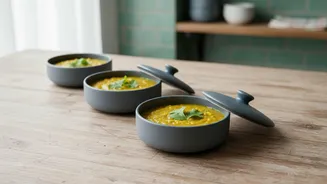
To meet the recommended cooling times, you need to give your food some help. The most effective strategy is to divide and conquer. Break down the contents of a large pot into several smaller, shallow containers. The ideal depth of food in these containers is two to three inches or less, which dramatically increases the surface area and allows heat to escape much faster. For large cuts of meat like roasts, it is best to carve them into smaller pieces before refrigerating. Another effective method, especially for liquids like soups and stews, is to use an ice bath. Place the smaller containers or the main pot into a clean sink filled with ice and water, and stir the food periodically to help release the heat. Some people even use special 'cooling paddles' that can be frozen and then used to stir the food.
The Container Conundrum: Covered or Uncovered?
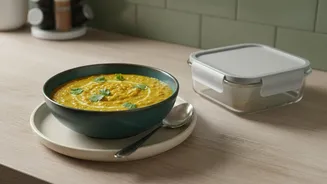
This is a frequent point of confusion. While covering food in the fridge prevents cross-contamination from raw foods stored nearby, sealing a hot container tightly traps steam and heat, slowing down the cooling process significantly. The consensus among food safety experts is to cool the food first. For best results, leave the containers of hot food uncovered or loosely covered while they cool in the refrigerator. This allows heat and steam to escape. Once the food has cooled to at least 70°F or, even better, all the way to 41°F, you can then seal the containers tightly for storage. This approach balances the need for rapid cooling with protection against contamination.