



The Core Nutritional Showdown
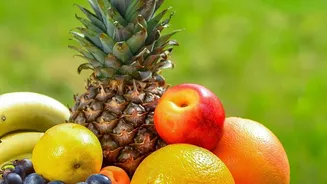
When placed head-to-head, pineapple and pear have surprisingly similar calorie counts. A cup of pineapple chunks (around 165g) contains about 83 calories, while a medium pear (around 178g) has about 101 calories. Both are virtually fat-free and offer
a healthy dose of carbohydrates for energy. Pineapple has slightly more sugar per serving, with about 16 grams per cup compared to a pear's 14 grams. However, the most significant differences lie not in their basic macros, but in their unique micronutrients and fibre content, which give each fruit its distinct health advantages.
Pineapple’s Tropical Power
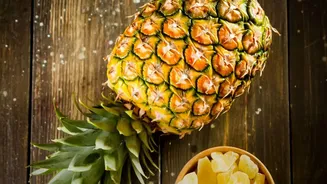
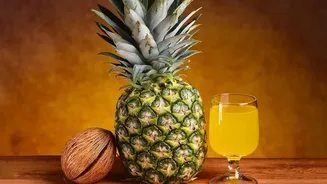
Pineapple's claim to fame is its incredibly high vitamin C content. A single cup provides over 100% of the recommended daily intake, making it a powerful immune-booster and antioxidant. But its real superstar is bromelain, a unique mixture of enzymes found almost exclusively in pineapple. Bromelain is celebrated for its anti-inflammatory properties and its ability to aid in protein digestion. While you'd need supplements for a therapeutic dose, the bromelain in fresh pineapple can still contribute to better digestion and reduced inflammation. It's also an excellent source of manganese, a mineral crucial for bone health and metabolism.
The Humble Pear’s Hidden Strengths
The pear might seem more unassuming, but it’s a powerhouse of dietary fibre. A single medium pear packs around 6 grams of fibre, which is more than double what you’ll find in a cup of pineapple. This includes both soluble and insoluble fibre, which work together to promote regular bowel movements, prevent constipation, and feed the beneficial bacteria in your gut. Pears also have a lower glycemic index (around 38) compared to pineapple (around 66), meaning they raise blood sugar levels more slowly, making them a fantastic choice for steady energy. Don't forget to eat the skin, as it holds a significant amount of the fruit's antioxidants and fibre.
Does Ripeness Change The Game?
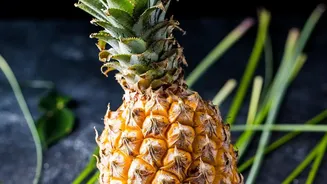
Ripeness dramatically affects a fruit's nutritional profile, and this is especially true for its sugar content and antioxidant levels. As both pineapples and pears ripen, their starches convert into simple sugars like fructose and glucose, which is why a ripe fruit tastes so much sweeter. For pears, which are picked when mature but ripen off the tree, their antioxidant content actually peaks with ripeness. You can tell a pear is ready when the neck yields to gentle pressure. Pineapples, on the other hand, do not get any sweeter after being picked; they only get softer and more aromatic. A ripe, golden pineapple will have more developed sugars and active enzymes like bromelain compared to a greener one. This means a very ripe fruit will have a higher glycemic index than its underripe counterpart.
Why Portion Size Is Everything
While both fruits are healthy, moderation is key. Because of their sugar content, it’s easy to overdo it. A standard serving of fruit is typically about one cup of chunks or one medium-sized fruit. Sticking to this guideline helps you reap the benefits without consuming excessive sugar and calories. For pineapple, which has a higher glycemic index, pairing it with a source of protein or healthy fat—like Greek yoghurt or a handful of nuts—can help slow down the absorption of sugar and prevent a sharp spike in blood glucose. With pears, the high fibre content naturally helps with this, but it’s still wise to be mindful of how much you’re eating in one sitting.