


A Tipping Point for Alternative Fuels
For the first time in India's automotive history, the collective sales of alternative fuel vehicles—comprising Compressed Natural Gas (CNG), Electric Vehicles (EVs), and hybrids—have overtaken petrol cars. In August 2026, these greener alternatives captured
a combined market share of 41.95%, narrowly edging out petrol's 40.85%. This marks a seismic shift from just a year prior, when petrol cars held a commanding lead. This isn't a story of one alternative single-handedly dethroning petrol, but rather a multi-pronged challenge from technologies that cater to different consumer needs, budgets, and anxieties about the future of mobility.
CNG: The People's Choice for Now
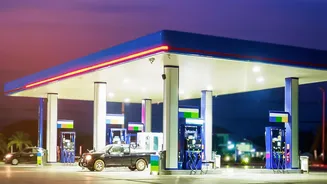
The undisputed leader of the alternative fuel pack is CNG. Accounting for a staggering 25% of all passenger vehicles sold in August 2026, CNG has established itself as the practical, cost-effective substitute for petrol for a large segment of Indian buyers. Its popularity is driven by simple economics: the running cost of a CNG car can be 40-60% lower than its petrol equivalent. With a well-established and expanding network of filling stations in major cities, CNG offers a low-risk, immediate solution to rising petrol prices without the range anxiety associated with EVs. Manufacturers like Maruti Suzuki have doubled down on this trend, dominating the segment with an almost 70% market share and offering CNG options across their most popular models.
The Electric Vehicle Surge
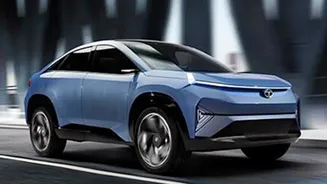
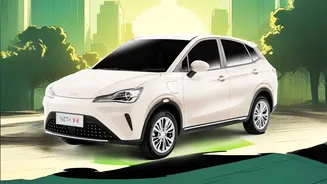
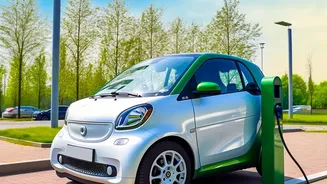
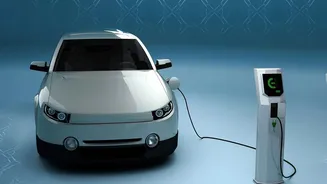
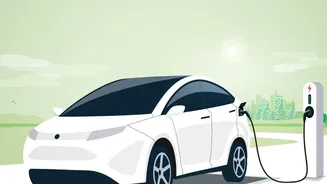
Electric vehicles are the fastest-growing part of the new fuel mix. EV sales have consistently shown explosive year-on-year growth, with retail sales crossing 31,000 units in a single month for the first time in June 2026. This momentum is fuelled by a potent combination of factors. Government initiatives like the PM E-DRIVE scheme, significant GST benefits (5% on EVs vs. 28% plus cess on petrol cars), and state-level road tax waivers have substantially lowered the barrier to entry. Simultaneously, the total cost of ownership is a compelling proposition; running an EV can cost as little as ₹1-1.5 per kilometre when charged at home, a fraction of the ₹5-8 for a petrol car. However, challenges remain, including a high upfront purchase price, concerns about battery replacement costs, and an inadequate public charging network, with India having only one public charger for every 225 EVs on the road as of early 2026.
Hybrids: The Bridge Between Two Worlds
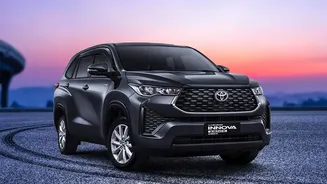
Occupying the middle ground are hybrid vehicles, which offer a blend of petrol convenience and electric efficiency without the need for external charging. For buyers not yet ready to commit to a fully electric lifestyle, strong hybrids present a compelling package, significantly improving fuel economy and reducing emissions. The hybrid market, while smaller than EV or CNG, has seen steady interest, particularly driven by models from Toyota and Maruti Suzuki, which together command the lion's share of the market. While EV sales are growing at a much faster pace, hybrids serve as a crucial transitional technology, helping consumers get comfortable with electrification while still relying on the familiarity of a petrol engine.
The Road Ahead: A Multi-Fuel Future
The shift in India's auto fuel mix is not a temporary blip; it's a structural change driven by consumer wallets and government policy. The era of a single dominant fuel is giving way to a more complex and competitive landscape. Petrol's throne is being challenged not by one successor, but by three distinct alternatives, each with its own strengths. CNG is the choice for pragmatic, high-mileage city drivers. EVs appeal to tech-savvy early adopters and those focused on the lowest possible running costs, supported by strong policy tailwinds. Hybrids offer a balanced compromise, easing the transition away from fossil fuels. For the Indian car buyer, this translates to more choices than ever before. The decision is no longer just about brand and model, but a calculated choice between upfront cost, running expenses, convenience, and long-term sustainability.