



1. Performance Fabrics Are the New Standard
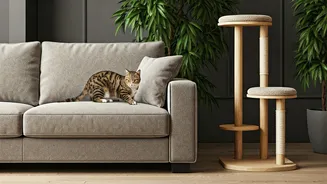
The biggest shift is in textiles. For years, pet ownership meant choosing between a stylish sofa and a durable one. Not anymore. The new mantra is performance fabrics. Think tightly woven materials like microfibre, canvas, or even treated velvets that
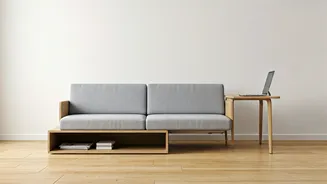
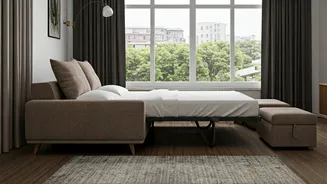
are inherently resistant to claws, stains, and fur. Unlike delicate silks or loose-weave linens that snag easily, these fabrics are built for real life. Many are treated to be liquid-repellent, meaning spills from a water bowl (or worse) bead up instead of soaking in. The best part? They come in chic colours and textures, so you no longer have to live with that faded brown couch just because it 'hides dirt'. Look for removable, washable covers for an extra layer of practicality, perfect for shedding season.
2. Thoughtful Flooring for Paws and People
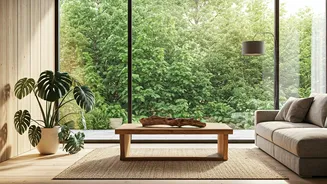
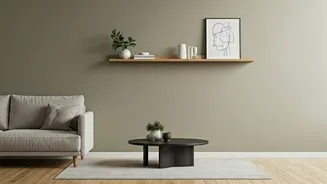
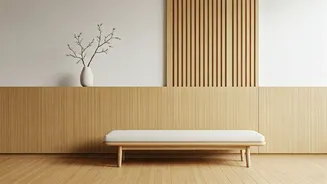
While wall-to-wall carpets are less common in Indian homes, the choice of flooring is still critical. Hard surfaces like marble, granite, or vitrified tiles are fantastic for easy clean-ups. However, they can be slippery for energetic pets and cold in the winter. The modern approach is to layer. Use stylish, low-pile rugs in living areas to provide grip and comfort for your pet’s joints. Opt for materials like jute or tightly woven wool that are durable and less likely to trap fur. A crucial tip: use a good quality non-slip rug pad underneath to prevent accidents when your dog gets the 'zoomies'. For homes with wooden flooring, a matte or satin finish is preferable to a high-gloss one, as it shows scratches less.
3. Furniture That Does Double Duty
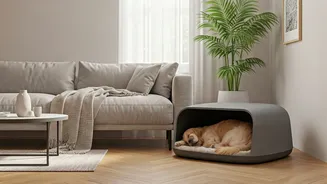
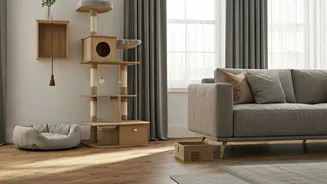
The clunky, standalone dog crate is becoming a thing of the past. Today’s pet-centric design integrates pet furniture seamlessly into human furniture. This is where innovation shines. Think of a sleek wooden side table that doubles as a cosy dog den, or an ottoman with a hidden storage compartment for toys. For cat parents, the options are even more creative. Instead of a jarring, carpeted cat tree, designers are creating sculptural climbing structures that look like modern art. Wall-mounted shelves and perches in materials matching your decor allow your cat to explore vertically without adding clutter to the floor. It’s about making your pet’s needs a feature, not an afterthought.
4. Designing Dedicated 'Pet Zones'
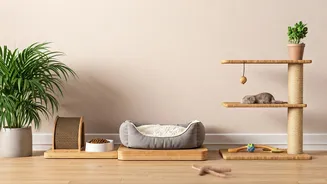
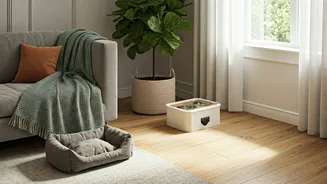
A key part of decorating differently is moving beyond just placing a food bowl in the kitchen corner. Pet parents are now creating intentional, well-designed 'zones' for their companions. This could be a 'dining station' with built-in bowls to prevent spills and an easy-to-wipe backsplash. Or a 'relaxation nook' under a staircase or in a sunny corner of the living room, complete with a comfortable bed that matches the room's colour scheme. These zones help contain mess, but more importantly, they provide your pet with a sense of security and belonging. It signals that this isn't just your space they're allowed to live in; it's their home, too.
5. A Focus on Pet-Safe Greenery
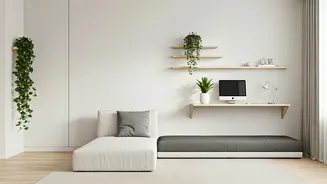
Houseplants are a huge decor trend, but many popular varieties like lilies, philodendrons, and snake plants are toxic to cats and dogs if ingested. The new wave of pet parenting involves curating an indoor jungle that is both beautiful and safe. Pet-safe plants like the Areca Palm, Spider Plant, Boston Fern, and certain succulents are becoming go-to choices. Instead of forgoing greenery altogether, pet parents are simply becoming more educated. Hanging planters and high shelves are also great ways to keep more delicate or potentially harmful plants out of reach of curious paws and mouths, ensuring the home environment is healthy for everyone.