





The Chariot Ride of the Gods
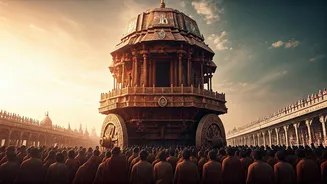
At its heart, the Rath Yatra, or the Festival of Chariots, is a profound expression of faith. The most famous of these processions takes place in Puri, Odisha, drawing devotees from across the globe. The festival commemorates the annual journey of Lord
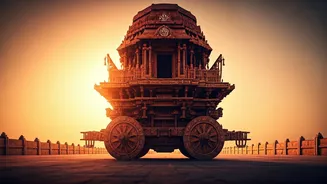
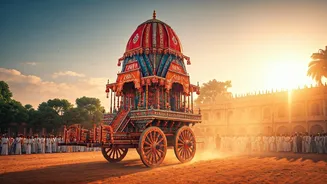
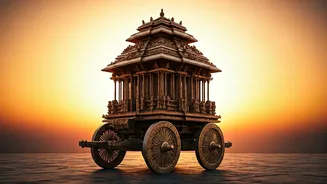
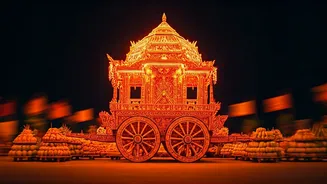
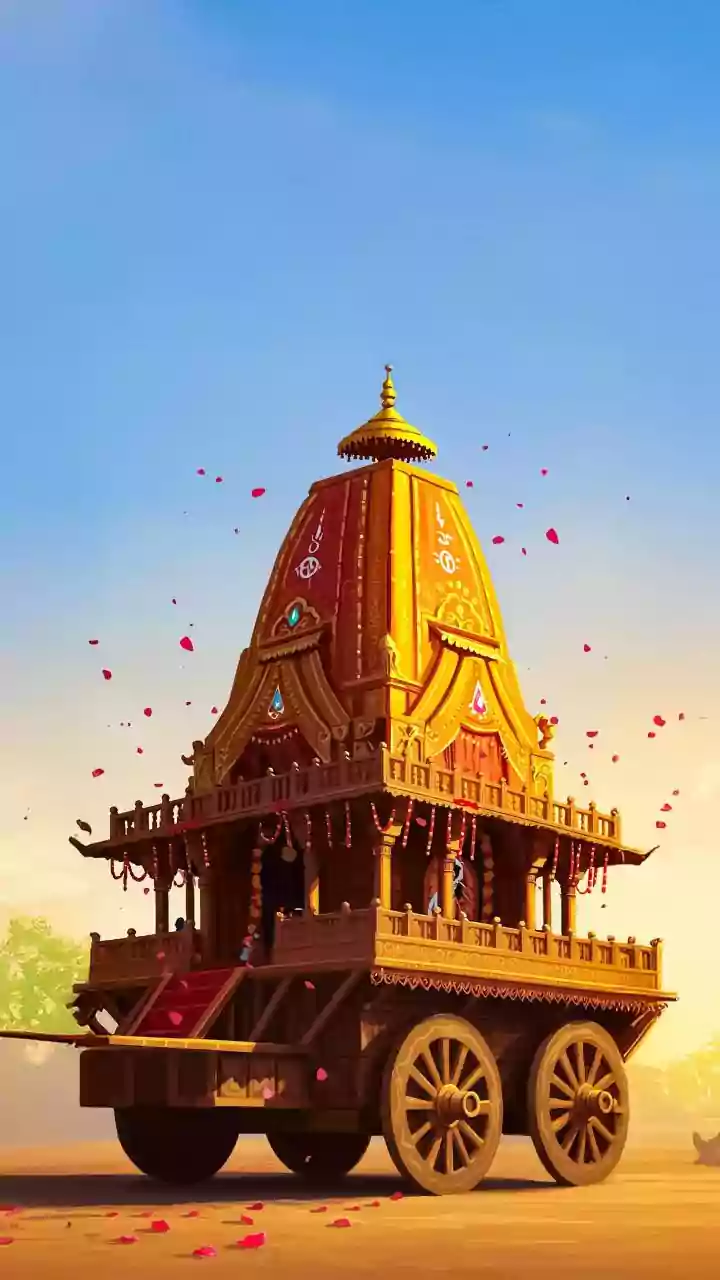
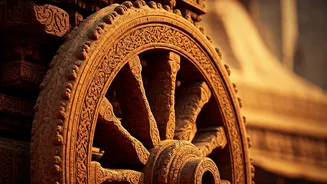
Jagannath, his brother Lord Balabhadra, and sister Devi Subhadra from their home in the Jagannath Temple to the Gundicha Temple, believed to be their aunt's residence. The deities, in their vibrant, larger-than-life wooden forms, are placed on three colossal chariots, each meticulously built anew every year by traditional artisans. The sight of these chariots—Nandighosha for Jagannath, Taladhwaja for Balabhadra, and Darpadalana for Subhadra—moving through the sea of humanity is a spectacle of unparalleled devotion. Devotees believe that pulling the sacred ropes of the chariots is an act of piety that can wash away sins, a chance to connect directly with the divine. Rituals like 'Pahandi' (the ceremonial procession of the deities from the temple to the chariots) and 'Chhera Pahara' (the ritual sweeping of the chariots by the King of Puri) underscore the festival's deep-rooted traditions, where everyone, from king to commoner, serves the lord.
A Divine Culinary Journey
Faith in India is often served on a platter, and the Rath Yatra is a grand feast for both the soul and the palate. The culinary aspect is intrinsically linked to the spiritual. The Jagannath Temple in Puri is home to one of the largest kitchens in the world, where 'Mahaprasad' is cooked daily for thousands. During Rath Yatra, this food takes on even greater significance. Fifty-six different food items ('Chappan Bhog') are prepared in earthen pots over wood fires and offered to the deities before being distributed to devotees. Eating this prasad is considered a high spiritual blessing, transcending social barriers as people from all walks of life share the sanctified meal. But the gastronomic experience extends beyond the temple walls. The streets of Puri come alive with vendors selling local delicacies. A special dish associated with this time is the 'Poda Pitha,' a slow-cooked cake made of rice flour, coconut, and jaggery, which is believed to be a favourite of Lord Jagannath. It’s a culinary journey where every bite is a blend of flavour and faith.
Pilgrimage in the Modern Age
The very name 'Yatra' means journey, placing travel at the core of the festival. For centuries, pilgrims have undertaken arduous journeys on foot to reach Puri for this auspicious occasion. Today, this tradition continues, albeit with modern conveniences. The festival transforms Puri into a bustling hub, with millions of people—a mix of devout pilgrims, curious tourists, and cultural enthusiasts—converging on the small coastal town. This massive influx represents a monumental logistical exercise in travel and hospitality. Special trains and buses are run, and accommodation, from luxury hotels to temporary shelters, caters to every budget. For many, this is not just a trip but a pilgrimage of a lifetime, an essential spiritual quest. For others, it’s an opportunity to witness one of the world's most vibrant and colourful cultural phenomena. The Rath Yatra perfectly illustrates how an ancient pilgrimage can adapt and thrive in the modern age, turning a city into a destination for a shared, collective experience.
More Than a Festival
To view the Rath Yatra through the separate lenses of faith, food, or travel is to miss the point. Its true magic lies in their seamless integration. The journey (travel) is an act of devotion (faith). The meal (food) is a divine blessing (faith). The entire event is a public spectacle of community where personal identity melts into a collective celebration. It’s a time when the streets become the temple, and the entire city participates in a divine drama. This synthesis is what makes the Rath Yatra more than just a festival; it's a living, breathing cultural ecosystem that nourishes the body, the soul, and the spirit of adventure all at once.