






A New Vision for Stations
At the heart of this nationwide upgrade is the Amrit Bharat Station Scheme (ABSS), an ambitious initiative by the Ministry of Railways launched in 2022. The scheme aims to redevelop over 1,300 stations, shifting their role from mere points of transit
to integrated urban centres. Instead of a one-size-fits-all approach, the ABSS uses a master plan for each station, customising development based on local needs, passenger numbers, and future growth potential. The goal is to prepare India's railway infrastructure for the next few decades, ensuring stations can handle increasing traffic while offering a world-class passenger experience. This long-term vision is already taking shape, with hundreds of stations currently in various stages of construction and redevelopment across the country.
Upgrades You Can See and Feel
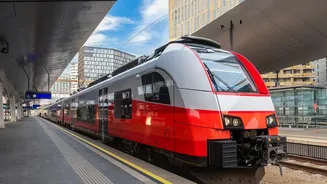
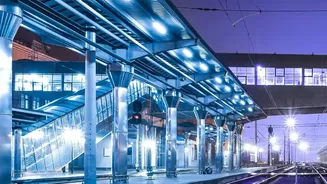
So, what does this modernisation actually mean for the average passenger? The changes are both aesthetic and functional, designed to improve comfort, safety, and ease of travel. Redeveloped stations feature improved station buildings, wider foot-over-bridges, and clearly marked circulating areas to manage crowds better. Inside, passengers will find modern waiting halls with better seating, clean and accessible toilets, and free Wi-Fi. For enhanced accessibility, many stations are being equipped with lifts, escalators, and ramps, making travel easier for senior citizens, families with children, and passengers with disabilities. Improved lighting, clear digital signage, and CCTV cameras also contribute to a safer and more secure environment for everyone.
More Than Just a Place to Wait
The redevelopment goes beyond basic amenities, aiming to transform stations into vibrant commercial and cultural spaces. Many upgraded stations now include executive lounges, dedicated business meeting areas, food courts, and kids' play areas. A key feature of this new approach is the 'One Station One Product' (OSOP) scheme, which provides dedicated outlets for local artisans and producers to sell their goods directly to millions of passengers. With over 2,300 outlets operational at more than 2,000 stations, the OSOP scheme promotes indigenous crafts like Madhubani paintings in Bihar and Channapatna toys in Karnataka, turning stations into showcases for regional heritage. This not only provides travellers with unique souvenirs but also boosts local economies and supports small entrepreneurs.
Stations as Future 'City Centres'
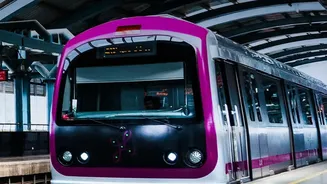
The ultimate vision of the Amrit Bharat scheme is to integrate railway stations seamlessly into the urban fabric, turning them into 'city centres'. This involves creating multi-modal connectivity, linking stations with local bus networks and metro systems to ensure smooth last-mile travel. Furthermore, the designs of the redeveloped station buildings often draw inspiration from local culture, heritage, and architecture, making each station a unique reflection of its city's identity. By developing commercial spaces and improving the overall environment, these stations are set to become destinations in their own right, attracting not just passengers but also local residents and boosting economic activity in the surrounding areas.