






More Than Just Kitchen Waste
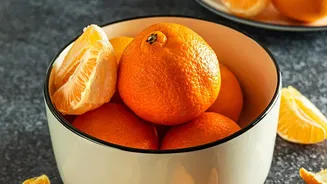
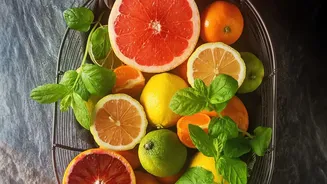
We're all familiar with the bright burst of flavour from citrus juice, but the peels are where the real magic is hidden. Citrus rinds are packed with aromatic essential oils and potent plant compounds. Instead of letting this valuable resource go to waste,
you can easily upcycle them into a sophisticated condiment that brightens up everything from morning toast to evening cheese boards. This practice is not only a fantastic step towards a zero-waste kitchen but also a way to unlock intense, complex flavours that you can't get from the juice alone. Making your own preserves from rinds is a time-honoured tradition that turns a humble byproduct into a culinary asset, proving that the most flavourful ingredients are sometimes the ones we almost threw away.
What Makes It ‘Gut-Friendly’?
The term 'gut-friendly' isn't just a buzzword; in the case of citrus peels, it’s rooted in science. The peels are an excellent source of a soluble fibre called pectin. You might know pectin as the ingredient that helps jams and jellies set, but in your digestive system, it acts as a prebiotic. This means it provides food for the beneficial bacteria in your gut, such as Bifidobacterium and Lactobacillus. A well-nourished microbiome supports better digestion, can help reduce inflammation, and strengthens the gut lining. When you consume these preserves, you’re not just enjoying a tasty treat; you’re also delivering a dose of valuable fibre that contributes to your overall digestive wellness.
Option 1: The Classic Marmalade Method
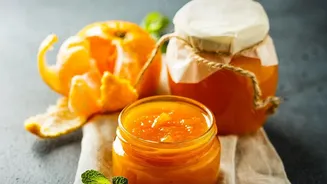
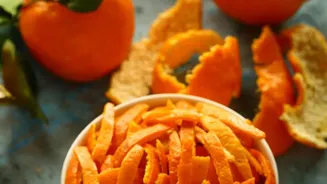
Making a classic citrus preserve, or marmalade, is a straightforward two-day process that yields delicious results. Start with the peels of about 4-5 organic oranges and one lemon, scrubbed well. Using a peeler, remove the zest, avoiding as much of the bitter white pith as possible. Slice these peels into thin strips. To reduce bitterness, you can boil the peels in water for 10 minutes and drain, repeating once more. Next, combine your prepared peels in a large pot with the segmented fruit, about 4 cups of sugar, and a cup or two of water. Many recipes recommend letting this mixture sit overnight. On the second day, bring the mixture to a vigorous boil, then simmer, stirring often, until it thickens and reaches its setting point, which is around 104-105°C (220°F). A simple test is to put a small amount on a cold plate; if it wrinkles when you push it, it's ready. Ladle the hot marmalade into sterilised jars for a pantry staple that will last for months.
Option 2: The Fermented Preserve
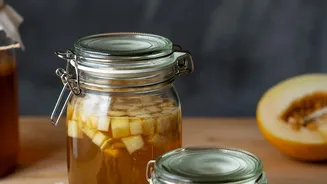
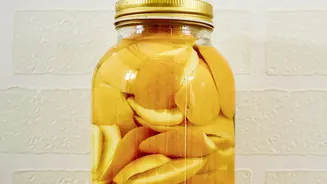
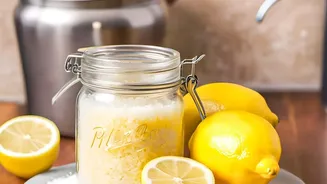
For an even bigger probiotic punch, you can make salt-fermented lemon preserves, a staple in North African cuisine. This method relies on salt and time to transform the peels into something intensely flavourful and packed with beneficial bacteria. Start with 4-6 organic lemons, washed thoroughly. Slice them into quarters, but leave the base intact so they open like a flower. Generously rub the insides with a good quality kosher or sea salt—about a tablespoon per lemon. Pack them tightly into a clean glass jar, pressing down firmly to release their juices. Top with more lemon juice until the lemons are completely submerged, which is crucial for preventing mould. You can add spices like cloves or a cinnamon stick for extra flavour. Seal the jar and leave it on your counter for 3-4 days, shaking it daily, before moving it to the refrigerator. The lemons will be ready to use in about three to four weeks and will last for up to a year, with their flavour deepening over time.
How to Use Your Tangy Creation
The versatility of these preserves is their greatest strength. The sweet, tangy marmalade is a classic topping for toast, scones, or a bowl of plain yogurt. It can also be used as a glaze for chicken or fish, or stirred into vinaigrettes for a citrusy kick. The salt-fermented lemons offer a completely different flavour profile—salty, tangy, and deeply complex with no bitterness. To use them, rinse a piece of the preserved peel, scrape away the inner pulp, and finely chop the rind. It’s a transformative addition to stews, tagines, salad dressings, grain bowls, and marinades, lending a unique umami and bright lemon flavour that you can't get from fresh fruit.