








The Rise of the Urban Feline
For decades, Mumbai has been a city of dogs. But a quiet, decisive shift is underway. While no official census has crowned it, residents, veterinarians, and animal welfare workers agree: Mumbai is fast becoming India’s unofficial ‘cat capital’. This milestone
isn't marked by a single event, but by a thousand daily observations. It's the explosion of cat-centric Instagram accounts, the rising demand for feline-specific pet food and accessories in neighbourhood shops, and the mushrooming of cat cafes and boarding facilities. It’s a cultural shift from viewing cats as aloof, independent strays to embracing them as ideal companions for the city’s fast-paced, space-conscious lifestyle. This trend reflects a deeper change in urban Indian society, where pets are increasingly seen as integral members of the family.
Why Cats Resonate with Mumbaikars
So, what are pet owners saying? For many, the appeal is practical. “My work hours are long and unpredictable,” says a marketing professional living in Andheri. “A dog would be lonely and destructive. My cat, on the other hand, is perfectly happy to snooze until I get home. She’s my low-maintenance stress buster.” This sentiment is echoed across the city. Cats are perfectly suited to apartment living. They don’t need long walks in a city with shrinking public spaces, and their relatively quiet nature is a boon in crowded housing societies. Beyond practicality, there's an emotional connection. Young professionals, couples, and even senior citizens speak of the therapeutic presence of a purring cat. They are seen as antidotes to urban loneliness, offering affection without the demanding schedule of a dog. In a city that never sleeps, a cat provides a quiet centre of calm.
The Challenges of Feline Care
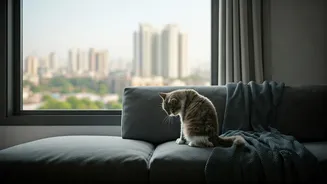
Adopting a cat in Mumbai is not without its hurdles. Finding pet-friendly housing remains a significant challenge. Many housing societies still have outdated or outright prohibitive rules against keeping pets. Owners often recount stories of having to hide their feline friends from landlords or society committees. Another major concern is the availability and cost of specialised veterinary care. While the number of vets is increasing, those with specific feline expertise are still in high demand. “When my cat had a kidney issue, I had to travel across the city to find a vet with the right diagnostic tools,” one owner from Chembur shares. “It’s stressful and expensive.” Furthermore, ensuring a cat’s safety in a high-rise environment, with its open windows and balconies, requires constant vigilance and investment in 'cat-proofing' measures like window nets.
From Stray Care to Community Building
The ‘cat capital’ phenomenon is not just about house cats; it’s deeply intertwined with Mumbai's long-standing culture of caring for its stray animal population. The city is home to countless ‘cat feeders’—dedicated citizens who spend their own time and money to feed and care for community cats. This grassroots network is the backbone of the city’s animal welfare efforts. Social media has amplified these efforts. Facebook groups and WhatsApp channels are buzzing with adoption appeals, requests for foster homes, and advice on caring for sick or injured strays. These online communities have become a powerful force, creating a support system for both new pet owners and seasoned rescuers. They are instrumental in the 'Indie' cat adoption movement, encouraging people to adopt local strays rather than buying expensive purebreds.