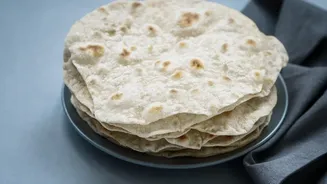







The Science of a Perfectly Puffed Roti
The magic of a roti that puffs up like a balloon is simple science: it's all about steam. When you place the rolled-out dough on a hot tawa, the water within the dough quickly turns to steam. This steam needs to be trapped between the top and bottom layers
of the roti. As the steam expands, it pushes the layers apart, causing the roti to inflate. This process requires a delicate balance. The gluten network, developed during kneading, provides the elasticity needed for the dough to stretch and trap this steam. If that network is weak or if the steam is allowed to escape prematurely, the roti will remain flat and can become hard.
Why Excessive Pressing Is the Enemy
When you press a roti too early or too aggressively with a spatula or cloth, you are essentially forcing out the precious steam that is trying to build up inside. Think of the roti as a sealed envelope of dough. If you press down before the layers have had a chance to separate and partially cook, you risk creating small vents or tears, allowing the steam to escape. This is why you might see a roti that puffs up on one side but not the other—the steam found a weak spot and rushed out. Excessive pressure compacts the dough, leading to a dense, chewy texture instead of the light, airy one you desire. Applying force can also prevent even cooking, leaving some parts doughy while others get too crisp.
The Correct Technique: A Gentle Nudge
This doesn't mean you should never press the roti. A light touch at the right moment is key to encouraging a full puff. After placing the roti on the tawa, let the first side cook for about 20-30 seconds until small bubbles appear. Flip it and cook the second side a little longer, until light brown spots form. Now, flip it one last time. This is the moment for the gentle press. Using a soft cotton cloth or a flat spatula, apply very light pressure around the edges of the roti in a circular motion. This encourages the steam trapped in the centre to distribute evenly and inflate the entire chapati. The goal is to guide the puff, not force it.
Other Secrets to Soft Rotis
While pressing technique is critical, it’s only one part of the puzzle. The journey to a soft roti begins with the dough. It must be soft and pliable, which is achieved by using lukewarm water for kneading and allowing the dough to rest for at least 20-30 minutes. This resting period allows the gluten to relax, making the dough easier to roll and preventing it from being tough. The thickness of the roti also matters; if it’s too thin, it will dry out, and if it's too thick, it won’t cook through properly. Finally, ensure your tawa is properly heated to a medium-high temperature. A pan that is too cool will dry the roti out before it can puff, while one that's too hot will burn it.