


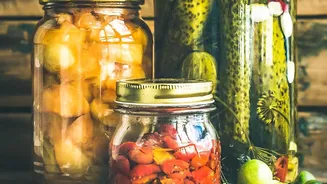
A Taste of Heritage in Every Spoonful
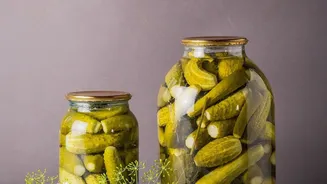
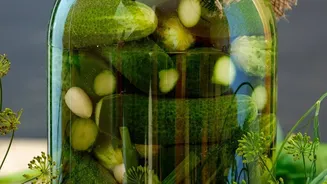
The tradition of pickling in India, or making 'achar', is an ancient art born from the necessity of preserving seasonal produce in a challenging climate. Dating back thousands of years, this practice is a cornerstone of our culinary heritage, deeply woven
into the fabric of family and community life. The annual ritual of pickle-making is often a communal event, a time for families to gather, share stories, and pass down secret recipes from one generation to the next. This shared activity strengthens bonds and keeps ancestral wisdom alive. Each region of India boasts its own distinct pickling identity, shaped by local climate, agriculture, and culture. In the north, mustard oil is the preferred medium, creating pungent and robust pickles like Punjab's gobi gajar shalgam achar. Head south, and you'll find fiery, oil-rich pickles like Andhra's iconic Avakaya mango pickle, a testament to the region's love for bold spice. From the sweet and sour Chhundo of Gujarat to the fermented bamboo shoot pickles of the Northeast, each jar tells a unique story of its origin.
The Slow Science of Good Health
Beyond preservation and flavour, traditional pickles made through natural fermentation are a powerhouse of health benefits. This slow process enriches the pickles with probiotics, the beneficial bacteria essential for a healthy gut microbiome. A healthy gut is linked to improved digestion, better nutrient absorption, and a stronger immune system. Many Indian pickles are also rich in antioxidants, thanks to spices like turmeric, and essential nutrients like Vitamin C from ingredients like lemon and amla. While commercially produced pickles often use vinegar and preservatives that negate these benefits, homemade or traditionally made fermented pickles can be a valuable addition to a balanced diet when consumed in moderation. This ancient practice of slow fermentation is essentially a form of food science perfected in our grandmothers' kitchens, creating a condiment that is not only delicious but also fundamentally nourishing.
Mindfulness on a Hectic Schedule
In our fast-paced modern lives, meals are often rushed and eaten without much thought. Mindful eating is the practice of paying full attention to the experience of eating, savouring each bite without distraction. It's about reconnecting with our food and listening to our body's cues. This is where the humble pickle plays a surprisingly profound role. The intense, concentrated flavour of a pickle forces you to slow down. You can't mindlessly consume something so potent. A tiny sliver of spicy mango or tangy lime pickle on your tongue commands your full attention, grounding you in the present moment. It elevates a simple, quick meal—like dal-rice or a vegetable wrap—into a more complex and satisfying sensory experience. This small act of savouring a powerful flavour can be an anchor for mindfulness, a way to find a moment of presence and appreciation even during a hurried lunch break.
The Pickle's Modern Renaissance
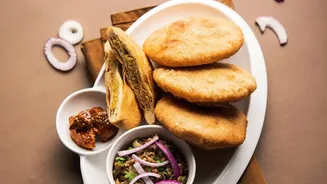
The versatility of Indian pickles is now being celebrated beyond their traditional role as a side dish. Contemporary cooks and food lovers are finding innovative ways to integrate these bold flavours into everyday fast dining. A spoonful of mango pickle masala can be mixed with hung curd to create a zesty sandwich spread, replacing generic mayonnaise. The oil from a jar of garlic or chilli pickle makes a fantastic dressing for salads or a flavourful drizzle over roasted vegetables. Pickles are being used as marinades for paneer and chicken, blended into dips, and even stirred into pasta sauces for a desi twist. This creative revival showcases the adaptability of achar, proving that this ancient tradition has a firm place in the modern Indian kitchen. It allows us to add a quick, convenient burst of complex, homemade flavour to otherwise simple meals, bridging the gap between our desire for heritage and the reality of our busy schedules.