





The Myth of the Lone Superfood
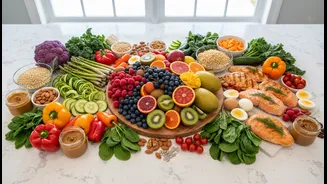
The term 'superfood' is a powerful marketing buzzword, not a scientific one. While foods like blueberries, quinoa, and avocados are certainly nutritious, no single ingredient can provide all the essential nutrients our bodies need to function. Relying
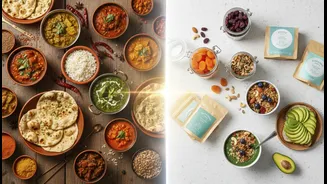
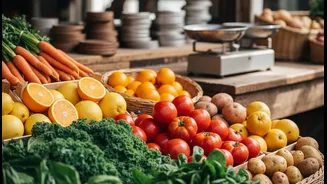
on one or two expensive, often imported, 'superfoods' creates a distorted view of nutrition. It can lead people to believe they can offset an otherwise poor diet with a sprinkle of chia seeds, which simply isn't true. A healthy eating pattern is about the variety and balance of your overall diet, not about one heroic ingredient. In fact, many local Indian foods like amla, moringa, and millets like ragi offer comparable or even superior nutritional benefits without the hefty price tag.
The Real Magic: Food Synergy
The secret to better nutrition lies in a concept called food synergy, which is the idea that certain foods, when eaten together, enhance each other's benefits. Nutrients don't work in isolation. For example, your body absorbs iron from plant-based foods like spinach and lentils more effectively when you consume them with a source of Vitamin C, like a squeeze of lemon. Similarly, the healthy fats in avocado or olive oil help your body absorb fat-soluble vitamins (A, D, E, and K) found in vegetables like carrots and tomatoes. This principle of combination is what makes a meal truly powerful, allowing your body to unlock the full potential of the nutrients you consume. It's not just what you eat, but how you eat it.
The Wisdom of the Indian Thali
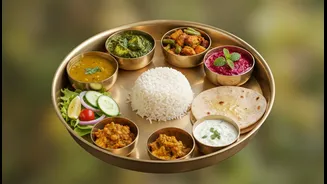
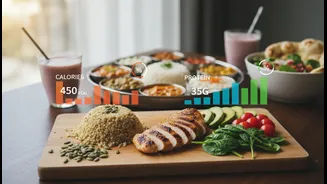
You don't need to look far for a perfect example of food synergy. The traditional Indian thali is a masterclass in balanced eating. It’s a complete system designed long before macronutrients became a buzzword. A typical thali features a source of carbohydrates (roti or rice), protein (dal or legumes), and fibre and vitamins from seasonal vegetables (sabzi). It also includes probiotics from curd or raita, which aids gut health, and spices that have digestive benefits. This combination isn't accidental; it’s designed to provide a harmonious blend of the six essential tastes recognized in Ayurveda, ensuring digestive harmony and maximum nutrient absorption. Each component has a role, creating a meal that is nutritionally complete and deeply satisfying.
Why Food Literacy is Critical for Young Indians
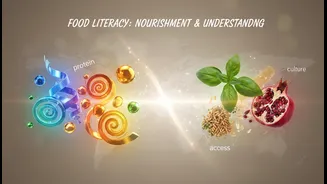
Today, young Indians are at a nutritional crossroads. Urban lifestyles, stress, and the convenience of fast food have led to a rise in meal skipping and reliance on ultra-processed foods. This is happening at the same time India is facing a 'double burden' of malnutrition, with issues of undernutrition coexisting with a sharp rise in lifestyle diseases like diabetes and hypertension, even among the young. Misinformation from social media often promotes extreme diets or a focus on single 'superfoods', which can be more harmful than helpful. Food literacy is the ability to understand where food comes from, how to prepare it, and how it impacts our health. It empowers individuals to navigate this complex environment, make informed choices, and move beyond marketing hype to build sustainable, healthy eating habits.
Building Your Own Balanced Plate
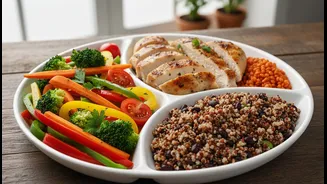
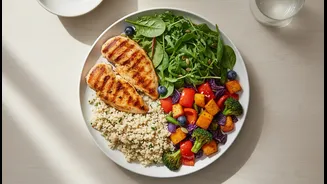
Creating a balanced meal is simpler than you think. A helpful model is the 'plate method'. Aim to fill half your plate with a variety of vegetables. One quarter should be a source of lean protein, like dal, beans, paneer, eggs, or chicken. The final quarter should be a complex carbohydrate, preferably a whole grain like brown rice, whole wheat roti, or millets. Don't forget a small portion of healthy fats and a serving of dairy or a dairy alternative like curd. By focusing on this combination of food groups, colours, and textures, you ensure you're getting a wide spectrum of the macro and micronutrients your body needs to thrive. The goal is consistency and variety, not perfection or restriction.