


Understanding the 2026 Schedule
The Pushkar Mela is officially underway, with this year's main events scheduled from November 17 to November 24, 2026. The fair is a unique blend of two distinct experiences. The initial days, beginning around November 17, are dominated by the traditional
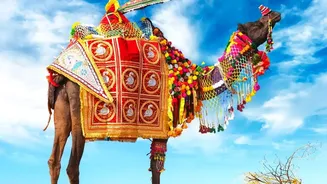
livestock fair. This is when thousands of camels, horses, and cattle, often adorned in vibrant decorations, are traded by herders from across Rajasthan. As the week progresses, the focus shifts towards cultural festivities and religious observances, culminating in the sacred Kartik Purnima full moon on November 24. To experience the most authentic livestock trading, arriving in the early part of the fair is recommended. For those more interested in the cultural programmes and competitions, the middle days are ideal.
The Heartbeat of the Mela: Trade and Competitions
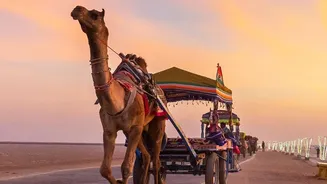
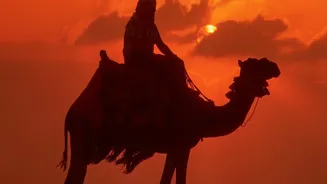
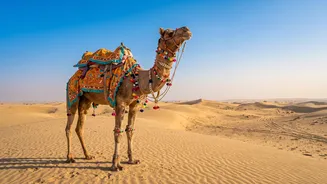
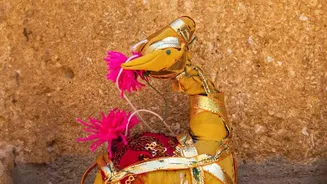
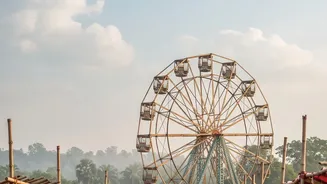
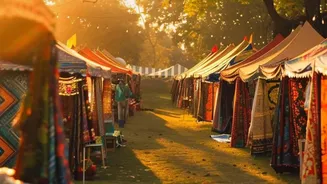
At its core, the Pushkar Mela remains one of the world's largest camel fairs. The sprawling mela grounds become a city of tents where traders negotiate deals that have been struck for generations. Visitors can witness camels decorated with colourful fabrics, bells, and beads in preparation for sale and pageantry. The atmosphere is charged with energy, offering incredible opportunities for photography, especially during the golden hours of sunrise and sunset. Beyond the trading, the fair hosts a beloved series of competitions. These include the camel decoration contest, camel and horse dances, and unique events like the 'longest moustache' competition and turban-tying contests, where foreign visitors are often encouraged to participate. A friendly 'Chak De Rajasthan' football match between locals and tourists is another highlight, fostering a spirit of community.
A Cultural and Spiritual Extravaganza
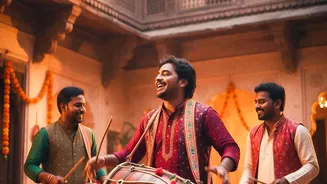
As the fair approaches its peak, the cultural and spiritual dimensions come to the forefront. The evenings are particularly magical, with the ghats of Pushkar Lake glowing from the Deepdaan, where thousands of oil lamps are set afloat. This is accompanied by the Maha Aarti, a deeply moving prayer ceremony that fills the air with chants and the sound of temple bells. The fair is also a stage for Rajasthan's rich artistic heritage, featuring performances of traditional folk music and dances like Ghoomar and Kalbelia. For the religiously inclined, the fair culminates on Kartik Purnima. On this day, hundreds of thousands of pilgrims gather for a holy dip in the sacred Pushkar Lake, believed to cleanse sins and grant salvation. The town's rare Brahma Temple also sees a significant number of visitors during this auspicious period.
Beyond the Fairgrounds: What to Explore
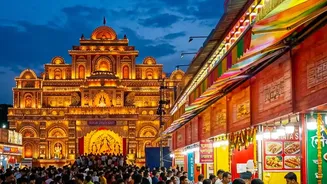
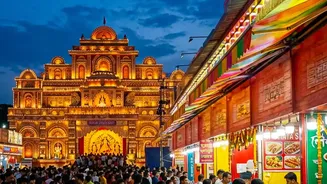
While the mela is the main attraction, Pushkar offers more to explore. The bustling market streets are a treasure trove for shoppers, offering everything from Rajasthani textiles and silver jewellery to leather goods and local handicrafts at the dedicated Shilpgram craft village. Food stalls are plentiful, serving up local delicacies like dal baati churma and malpua. For a different perspective, visitors can take a hot-air balloon ride at sunrise, offering breathtaking aerial views of the fairgrounds and the surrounding desert landscape. A hike up to the Savitri Temple provides a stunning panoramic view of the entire town and the sprawling desert. Camel safaris into the dunes remain a popular activity, offering a quieter moment away from the bustling crowds.