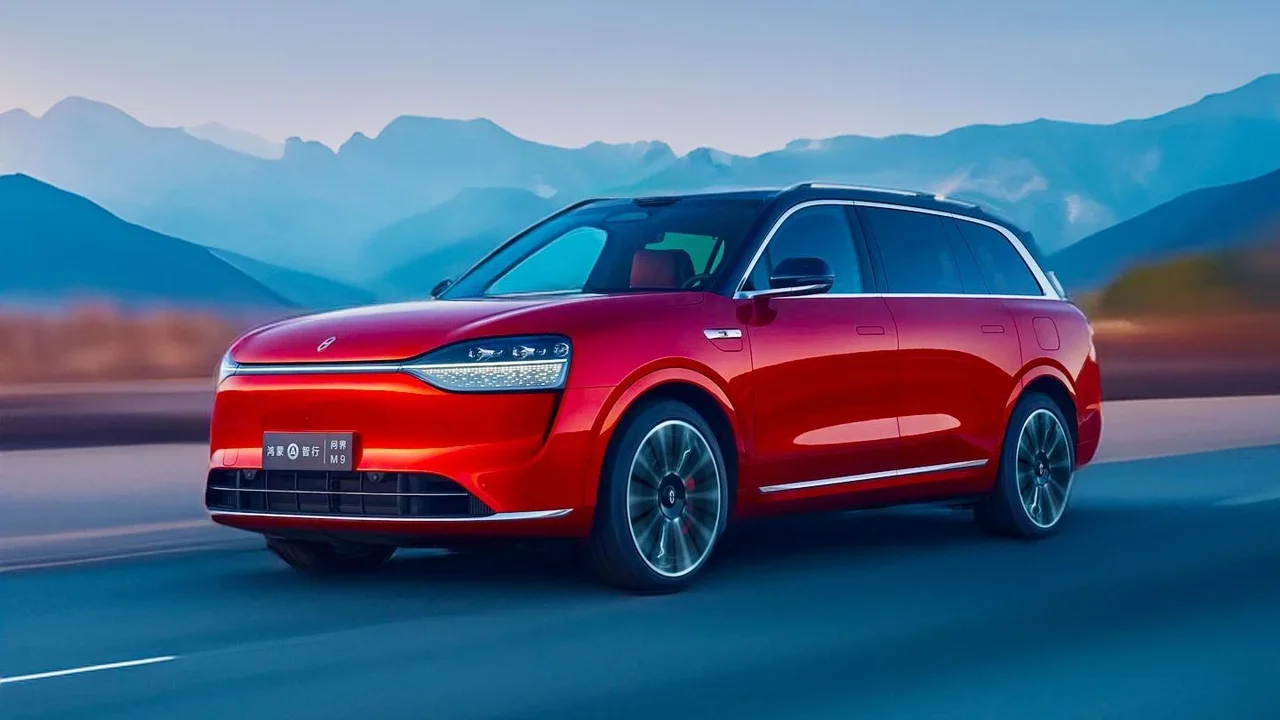




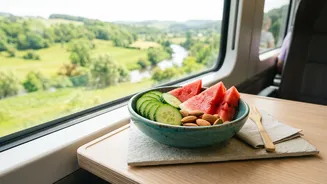

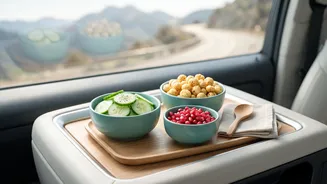
You’re packing for a road trip, trying to be healthy. You grab a crisp apple or a bag of raw broccoli and hummus. An hour down the road, you’re bloated and uncomfortable. What went wrong? It's not you, it's the science of digestion.
Your Gut's Fermentation Factory
High-fibre foods are
fantastic for long-term health, but their immediate effects can be tricky. Dietary fibre, especially from raw vegetables and some fruits, is essentially the part of the plant your body can't fully digest. Instead of being broken down in the small intestine, it travels largely intact to the colon. Here, it becomes food for your trillions of gut bacteria. As these microbes feast on the fibre through a process called fermentation, they produce beneficial compounds but also, as a completely normal byproduct, gas. This gas includes hydrogen and methane, which are the primary culprits behind bloating and that feeling of fullness.
The Raw vs. Cooked Difference
But why are raw foods particularly challenging before a drive? Cooking foods begins the breakdown process before they even enter your body. Heat softens the tough cellular walls of plants, making the nutrients and fibres easier for your digestive system to handle. A raw kale salad or a handful of uncooked broccoli florets places the full digestive burden on your gut. Your body has to work much harder to break them down, leading to a slower digestive process and more time for fermentation and gas production to occur. While your gut bacteria are having a field day, you might be left feeling like an overinflated balloon.
The Car Seat Crunch
The real problem arises when you combine this internal gas production with the physical act of driving. Being seated for long periods, especially with a seatbelt across your abdomen, compresses your gut. This physical compression can slow down gut motility—the natural movement of food and waste through your system. It also traps the gas that's being produced, preventing it from moving along and being released naturally. The result is what can be described as a 'car seat crunch,' where the external pressure from your posture and seatbelt, combined with the internal pressure from trapped gas, leads to significant discomfort, cramping, and sudden bloating.
Common Road-Trip Wreckers
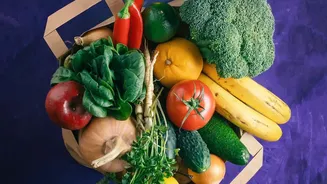
Many go-to 'healthy' snacks can be triggers in this specific scenario. Be mindful of large portions of these foods right before you get in the car: cruciferous vegetables like raw broccoli, cauliflower, cabbage, and Brussels sprouts, which contain a complex sugar called raffinose that's tough to break down. Large, crisp apples and pears are also high in fructose and sorbitol, sugars that many people have trouble absorbing. A big bean salad, while packed with protein, is also famously high in fermentable carbohydrates (FODMAPs) that are notorious for causing gas and bloating in sensitive individuals.
Smarter Snacks for a Smoother Ride
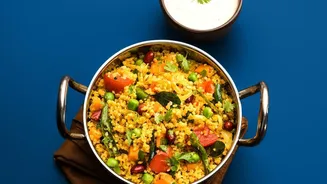
So, what should you eat? The key is to choose foods that are more easily digestible. Cooked foods are generally safer than raw ones. Instead of a raw veggie platter, consider roasted vegetables from the night before. Other great options include a banana, which is lower in problematic sugars than an apple. A simple sandwich on a less fibrous bread, a handful of lowers mess pretzels, or a small portion of nuts can provide energy without overloading your digestive system. Small, frequent snacks are often better tolerated than one large, high fibre meal before you hit the road. Staying hydrated with plain water also helps keep everything moving smoothly.