

Gundruk: The Pride of the Hills
Primarily associated with Nepali-speaking communities in the Himalayan regions like Sikkim and Darjeeling, gundruk is a powerful example of preservation through fermentation. It is made by fermenting and then sun-drying leafy greens like mustard, radish,
or cauliflower leaves. This process transforms fresh produce into a shelf-stable ingredient with a distinctively sour, tangy flavour. Typically prepared during winter, gundruk is a vital source of minerals in regions where fresh vegetables can become scarce. It is most often enjoyed as a light, appetising soup known as 'gundruk ko jhol', which is said to aid digestion, or as a zingy pickle or salad.
Kanji: The Probiotic Drink of the North
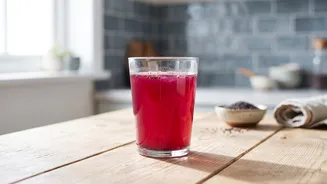
Kanji is a traditional fermented beverage popular in North India, especially during the winter months and the festival of Holi. It is made by fermenting black carrots (or beetroot) in water with salt and ground mustard seeds for several days in the sun. This process gives rise to a drink with a vibrant colour and a unique tangy, spicy, and pungent taste. Valued for its probiotic qualities, Kanji is considered excellent for digestion and gut health. While there is a rice porridge dish that shares the same name in other parts of India, the North Indian kanji is a drink, celebrated for its refreshing and health-giving properties.
Pakhala Bhat: Odisha’s Cooling Staple
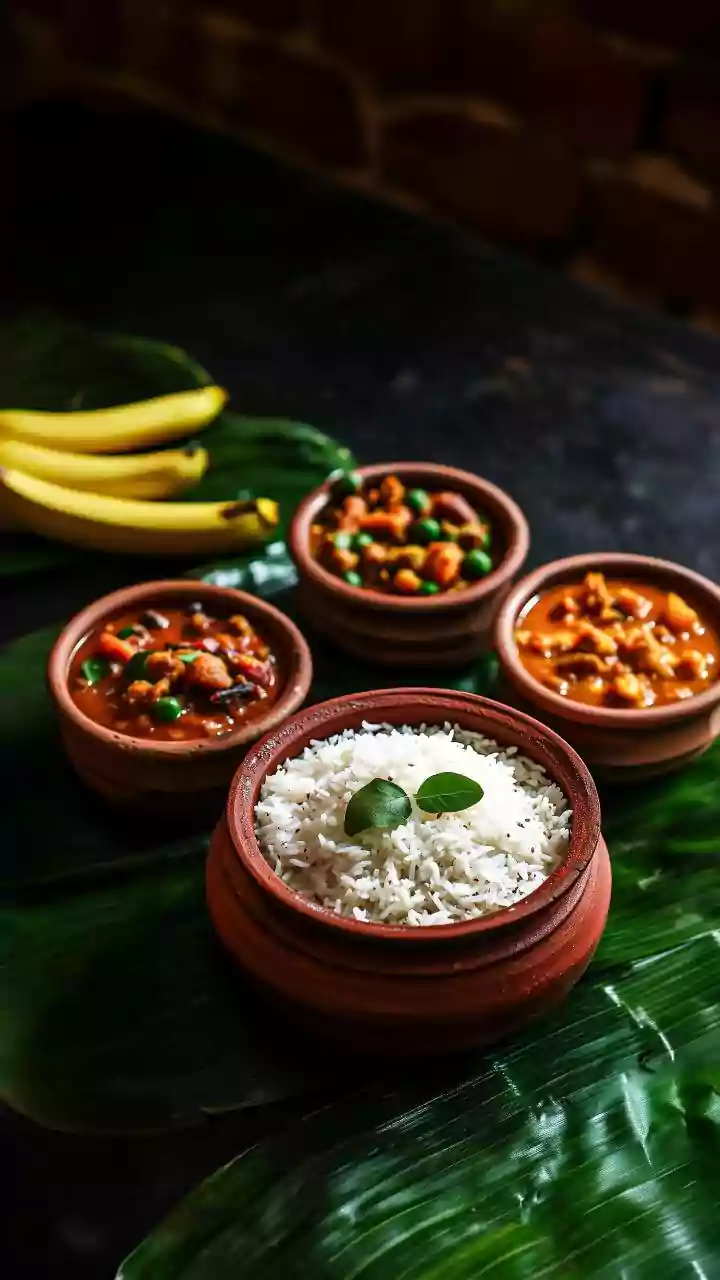
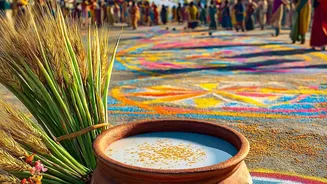
A cherished dish from Odisha, Pakhala Bhata is more than just food; it's a cultural symbol, especially during the hot summer months. It consists of cooked rice that is soaked in water and left to ferment, usually overnight. This simple process imparts a mild, tangy flavour and transforms the rice into a cooling, hydrating meal. The fermentation also enhances its nutritional profile, making it rich in probiotics and easier to digest. Pakhala is typically served with an array of side dishes like fried fish, potato mash (aloo bharta), or sun-dried lentil dumplings called badi.
Axone: The Umami Bomb of Nagaland
Known as Axone (or Akhuni), this fermented soybean product is a cornerstone of Naga cuisine. To make it, soybeans are boiled, pounded into a paste, wrapped in leaves, and then kept near a fireplace to ferment. The result is a pungent, sticky, and intensely flavourful ingredient that provides a powerful umami kick to dishes. While its strong aroma might be an acquired taste, axone is beloved for the depth it adds to meat curries, stews, and chutneys. Like other fermented soy products, it is a rich source of protein.
Enduri Pitha: A Fragrant Delicacy from Odisha
Enduri Pitha is a special steamed cake from Odisha, traditionally prepared during the Prathamastami festival. It involves a batter made from fermented rice and urad dal, similar to what's used for idli. This batter is then spread onto fresh turmeric leaves, filled with a sweet mixture of coconut, jaggery, and spices, and folded before being steamed. The steaming process infuses the pitha with the unique, earthy aroma of the turmeric leaves, creating a soft, fragrant, and delicious snack.
Idli and Dosa: The South Indian Icons
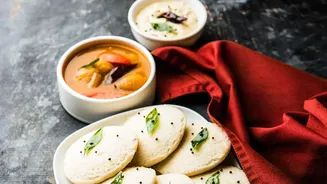
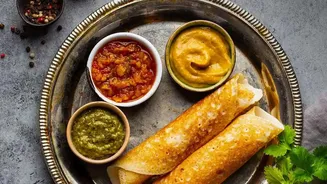
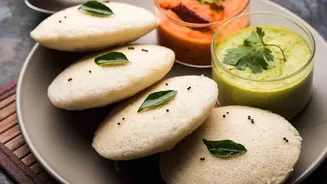
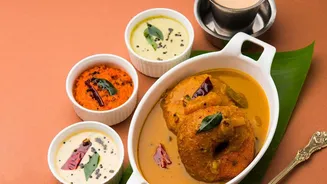
No discussion of Indian fermented foods would be complete without mentioning idli and dosa. These South Indian staples are made from a batter of rice and urad dal (black gram) that is left to ferment overnight. This fermentation process, driven by naturally occurring yeasts and bacteria, not only leavens the batter but also breaks down the nutrients, making the final product lighter and easier to digest. The process also increases the bioavailability of micronutrients and creates B vitamins. This ancient technique is what gives idlis their signature fluffy texture and dosas their crispness and subtle sour taste.