

Rediscovering a Nutritional Powerhouse
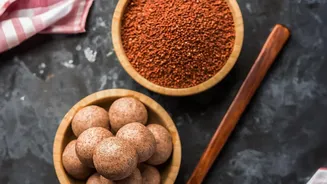
Ragi, also known as finger millet, is a rustic and hardy cereal crop that has been cultivated in India and Africa for thousands of years. For generations, it has been a staple food, valued for its ability to thrive in tough agricultural conditions. While
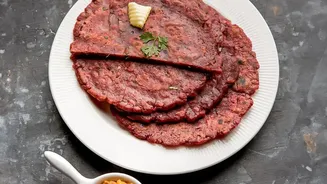
it may have taken a backseat to wheat and rice in recent decades, ragi is experiencing a well-deserved comeback. Packed with nutrients, it is a gluten-free grain, making it an excellent choice for those with celiac disease or gluten sensitivity. Its unique, earthy flavour and versatility allow it to be used in everything from traditional porridge and rotis to modern-day cakes and crepes.
A Wealth of Health Benefits
The health benefits of ragi are incredibly impressive, justifying its status as a superfood. It is one of the best plant-based sources of calcium, crucial for maintaining strong bones and teeth. This makes it particularly beneficial for children and older adults at risk of osteoporosis. Ragi is also rich in dietary fibre, which aids digestion, promotes a feeling of fullness, and can help with weight management. Its complex carbohydrates and low glycemic index help in regulating blood sugar levels, making it a favourable food for individuals with diabetes. Furthermore, it is a good source of iron, which can help combat anaemia, and contains essential amino acids vital for repairing tissues.
Preparing the Perfect Batter
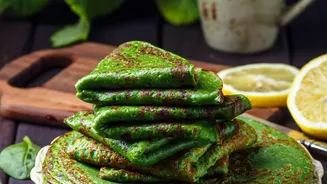
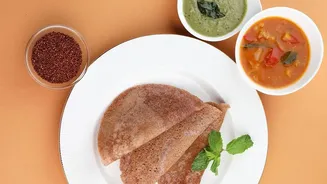
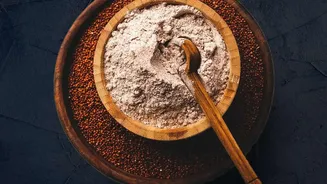
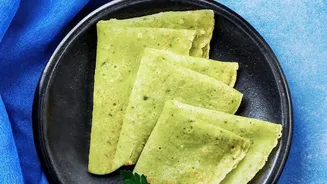
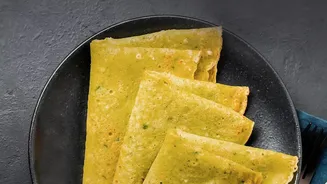
Making savoury ragi crepes, often called ragi dosa, is surprisingly simple, with instant versions that don't require lengthy fermentation. For a basic instant batter, you will need ragi flour, a binding agent like rice flour or semolina (rava), and a liquid. A common combination is one cup of ragi flour mixed with half a cup of rice flour for a gluten-free version. To this dry mix, add flavourings like finely chopped green chillies, cumin seeds, and salt. Then, whisk in about half a cup of yoghurt or curd and enough water to create a thin, flowing batter, similar to the consistency of a traditional rava dosa batter. Letting the batter rest for 15-20 minutes allows the flours to hydrate properly, which is key to a good texture.
Crafting Your Savoury Crepes
Once your batter is ready, cooking the crepes is a quick process. Heat a non-stick pan or a well-seasoned dosa tawa over medium-high heat. The pan must be hot before you begin; a sprinkle of water should sizzle and evaporate instantly. Lightly grease the surface with oil or ghee. Before pouring, always give your batter a good stir, as the flour tends to settle at the bottom. Pour a ladleful of the batter onto the hot pan, moving in a circular motion from the outside towards the centre to create a lacy, thin crepe. Don't try to spread it with the ladle. Drizzle a little oil around the edges and cook for a couple of minutes until the bottom is crisp and golden brown. You typically do not need to flip this type of crepe. Serve it hot, straight from the pan.
Tips for Success and Variations
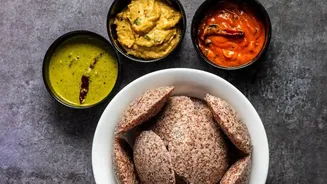
For the best results, ensure your batter is of a thin, watery consistency; a thick batter will result in soft, pliable crepes rather than crisp ones. If your crepe sticks, the pan might not be hot enough. Adding finely chopped onions, coriander leaves, or grated carrots directly into the batter can add extra flavour and texture. These crepes are best enjoyed with a side of coconut chutney, sambar, or a simple tomato chutney. You can also get creative with fillings, such as spiced potatoes or crumbled paneer, turning a simple breakfast into a more substantial meal.