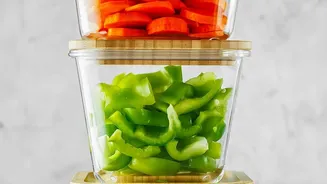







Upgrade to Airtight Containers
The single most effective step is to banish loose packets. High humidity, often reaching 70-90% during Indian monsoons, quickly turns crisp snacks soggy and causes dry goods to clump. Transfer staples like flour (atta), lentils (dal), sugar, spices, biscuits,
and chips into genuinely airtight containers immediately after purchase. Glass or high-quality BPA-free plastic jars with secure locking lids are your best defense, as they create a physical barrier against moisture. This simple habit prevents ambient moisture from ruining the texture and freshness of your food.
Protect Your Grains and Flours
Grains and flours are particularly susceptible to moisture, which can lead to mould and insect infestations. An age-old Indian kitchen trick is to add natural moisture absorbers and pest repellents to your storage jars. A few dried bay leaves (tej patta) in your flour container or dried neem leaves in your rice bin can work wonders. These act as natural deterrents for weevils and other pests that thrive in the damp monsoon weather. For added protection, you can also place small cotton pouches filled with rock salt in your pantry to absorb excess humidity.
Smart Vegetable and Fruit Storage
Leafy greens and other vegetables can rot quickly in the monsoon. Always wash your produce thoroughly. Afterwards, it is crucial to dry them completely before storage. Pat them dry with a clean cloth or paper towels to remove all surface moisture. Store perishable vegetables in the refrigerator to slow down spoilage. Wrapping leafy greens in paper towels before placing them in a bag can help absorb excess moisture and keep them crisp for longer. Avoid storing food directly on cold floors, like tiles, as this can introduce hidden moisture; use a wooden plank or shelf instead.
Keep Your Spices From Clumping
Humidity is the enemy of a well-stocked spice box (masala dabba), causing powders to become hard and clumpy. Ensure your spice containers are completely dry and airtight. A common mistake is opening spice jars directly over a steaming pot; the rising steam introduces moisture. Always use a clean, dry spoon for scooping out spices. To revive the aroma and drive out any dampness from whole spices like cinnamon or peppercorns, you can lightly roast them on a dry pan every few weeks.
Manage Overall Kitchen Humidity
Controlling the environment of your kitchen is key. Ensure good ventilation by using an exhaust fan whenever you cook to pull moist air out of the room. If possible, open windows for a short period when it's not raining to allow air to circulate. Placing natural dehumidifiers like camphor balls or a bowl of uncooked rice in your kitchen cabinets can help absorb trapped moisture and prevent that musty monsoon smell. Regularly cleaning your refrigerator is also important, as condensation can build up and contribute to microbial growth.
Adopt a 'Buy Less, More Often' Strategy
While stocking up can be convenient, it increases the risk of spoilage during the humid monsoon months. Consider adjusting your shopping habits. Buying fresh produce, dairy, and even flours in smaller quantities more frequently ensures that you use them before the dampness has a chance to take its toll. This reduces the amount of food you need to store and protect, minimizing potential waste and ensuring your meals are always fresh. Cooking in smaller batches also helps prevent wastage.