



The Leftover Rice Conundrum
Perfectly cooked rice is a cornerstone of countless meals in Indian households. But once it cools and spends time in the refrigerator, it can transform into a dry, unappetizing block. This happens because of a process called starch retrogradation. When
rice cools, its starch molecules crystallize and push out moisture, resulting in hard, separate grains. [11] The challenge then becomes reintroducing that lost moisture to make the rice soft and palatable again. Simply reheating it dry often makes the problem worse, leading to crunchy, chewy, and disappointing results. The goal is not just to heat the rice, but to re-steam it, and the secret lies in a very simple ingredient: water.
The Warm Water Trick Explained
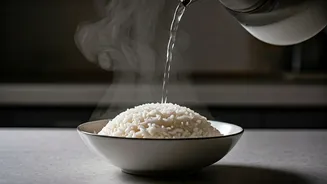
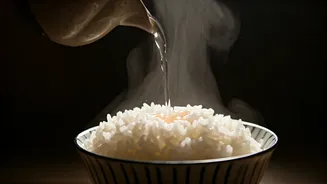
The “trick” isn’t a single, complicated technique but a fundamental principle: you must add water back into the rice before or during heating. This creates steam, which gently rehydrates the grains, making them plump and soft. A popular version of this trick involves placing cold, clumpy rice in a fine-mesh sieve and pouring boiling water over it, allowing the heat and moisture to quickly separate and fluff the grains. [19] However, the most common and practical applications are on the stovetop or in the microwave. For either method, the key is to add about one to two tablespoons of water for every cup of cooked rice. [12, 14] This controlled amount of liquid is just enough to create the steam needed without turning your rice into a soggy porridge.
A Step-by-Step Reheating Guide
To revive your leftover rice perfectly, choose the method that suits you best. For the Microwave: This is the fastest method. Place your rice in a microwave-safe bowl and break up any large clumps with a fork. [5] Sprinkle one or two tablespoons of water over the top. [14] Cover the bowl with a damp paper towel or a microwave-safe lid. [15] Heat for 60-90 seconds, then check. Stir the rice to distribute the heat and moisture, and if it’s still not soft and hot enough, continue heating in 30-second bursts until it's ready. The trapped steam from the water and damp towel is what works the magic here. [21] For the Stovetop: Many believe this method yields the best texture, closest to freshly cooked rice. [11, 12] Add the rice to a saucepan or skillet along with a splash of water or broth. Use low to medium heat and cover the pan with a tight-fitting lid. [18] Let it steam for about five minutes, stirring occasionally to prevent sticking and ensure even heating. [14] The gentle, consistent heat allows the grains to absorb the steam slowly, resulting in a uniformly soft and fluffy texture.
A Critical Note on Food Safety
While reheating rice is easy, storing it correctly is a critical matter of food safety. Uncooked rice can contain spores of a bacterium called Bacillus cereus. [1, 6] These spores can survive the cooking process. If cooked rice is left at room temperature for more than a couple of hours, these spores can germinate and produce toxins that are heat-resistant. [3] This means that even reheating the rice won't eliminate the risk of food poisoning, often called 'reheated rice syndrome'. [1] To stay safe, always cool leftover rice as quickly as possible (ideally within one hour) by spreading it in a shallow container and placing it in the refrigerator. [2, 6] Store it in an airtight container and consume it within a day or two. [5] Importantly, rice should only be reheated once. [17]
Don't Throw It, Repurpose It
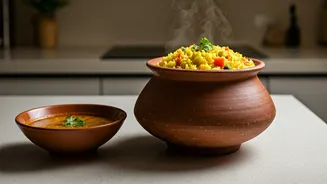
Sometimes, the dry, firm texture of day-old rice is actually an advantage. This is particularly true for making fried rice. The individual, less-moist grains stir-fry beautifully without getting mushy, allowing them to absorb the flavours of the sauce, vegetables, and other ingredients perfectly. So if your leftover rice is a bit dry, consider it the perfect excuse to whip up a quick and delicious fried rice or pulao. It's an excellent way to minimise food waste while creating another fantastic meal. Many professional chefs and home cooks alike swear by using day-old rice for this very reason, turning a potential problem into a culinary opportunity.