






Embrace Technology Before You Leave
Your smartphone is your first line of defence against monsoon traffic chaos. Before you even step out the door, check reliable weather and traffic applications. Apps like the government's 'Mausam' provide forecasts from the India Meteorological Department
(IMD), while others like The Weather Channel and AccuWeather offer real-time rain alerts. For traffic, apps that provide live updates can help you spot congestion and waterlogging, allowing you to find a clearer alternative route before you're stuck. Following local traffic police accounts on social media can also provide invaluable, up-to-the-minute information on road closures and diversions.
Prepare Your Vehicle for the Worst
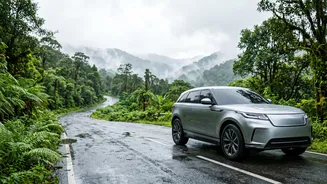
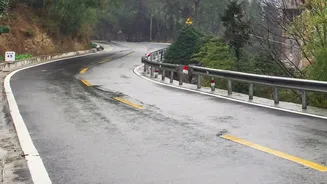
A well-maintained vehicle is crucial for navigating wet conditions. Before the monsoon season gets into full swing, ensure your car or two-wheeler is properly serviced. Pay special attention to your tyres; adequate tread depth is essential to disperse water and maintain grip on slippery roads. Check your brakes, as braking distances increase significantly on wet surfaces. Ensure your headlights, taillights, and indicators are all working perfectly for maximum visibility in downpours. Finally, make sure your windshield wipers are in good condition and the washer fluid is topped up for a clear view ahead.
Safe Driving on Waterlogged Roads
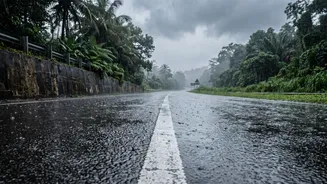
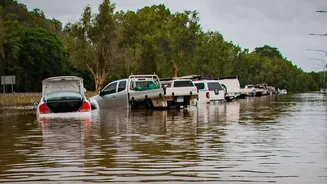
If you encounter a flooded road, the safest option is always to turn back and find another route. It’s impossible to know the water's depth or what hazards, like open manholes or deep potholes, lie hidden beneath the surface. Even just six inches of water can cause you to lose control, and a foot of water can float many cars. If you have no alternative, drive slowly and steadily, ideally in a low gear. Try to stay in the centre of the road, where the water is often shallowest. Avoid splashing, as this can send water into your engine's air intake. After clearing the water, gently tap your brakes a few times to help them dry out.
What to Do If Your Car Stalls
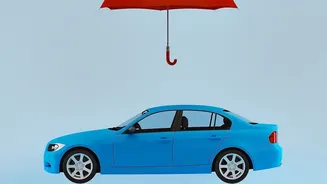
If your vehicle stalls in a waterlogged area, do not attempt to restart the engine. Doing so can cause catastrophic damage by sucking water into the cylinders, a situation known as hydrostatic lock. If it's safe to do so, abandon the vehicle and move to higher ground immediately. Your safety is more important than the car. Once you are safe, call for roadside assistance. It's also wise to check your motor insurance policy beforehand to understand what is covered in case of damage due to natural calamities like flooding.
Pack a Monsoon Emergency Kit
Getting stuck for hours is a real possibility during a monsoon gridlock. A simple emergency kit in your car can make a huge difference. Include essentials like a portable phone charger or power bank to stay connected. Pack some non-perishable snacks and a few bottles of drinking water to keep you hydrated and nourished. A compact umbrella or a lightweight poncho is a must, as is a small first-aid kit. A flashlight can be critical if you are stranded at night. Keeping these items in your vehicle ensures you are prepared for long, unexpected delays.
Consider Your Alternatives
On days when extremely heavy rain is forecast, the best commute is the one you don't have to take. If your employer offers a work-from-home option, use it. If you must travel, consider public transport. Metro systems in many cities are often more reliable than road transport during heavy downpours. Planning your travel around the weather can save you time and stress, and most importantly, keep you safe. Sometimes, the smartest plan is to avoid the flooded roads altogether.