




The Allure and the Hazard
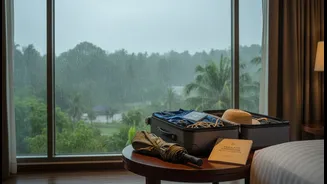
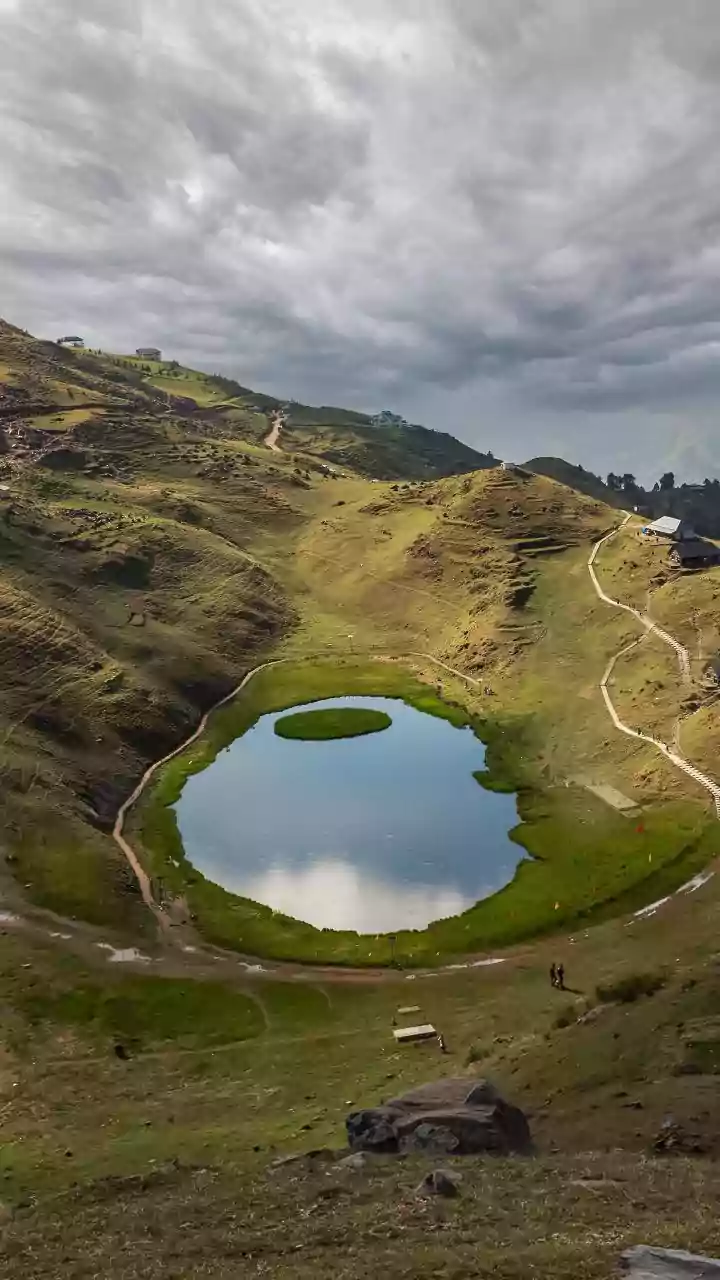
India during the monsoon is a spectacle of nature's renewal. Hills turn a vibrant green, waterfalls cascade with force, and the scent of wet earth is a welcome relief from summer heat. This seasonal charm, combined with off-season discounts on flights
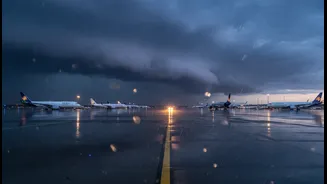
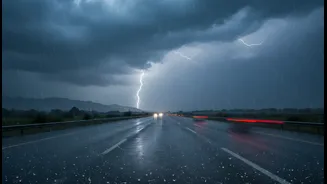
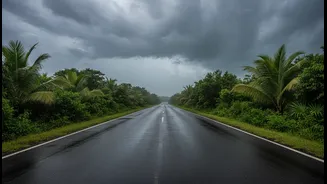
and luxury hotels, makes it a tempting time for a holiday. However, the romance of the rains comes with significant and often underestimated risks. Heavy downpours can trigger landslides in hilly regions like Uttarakhand and Himachal Pradesh, cause flash floods, and lead to widespread travel disruption, including road closures and flight cancellations. The India Meteorological Department (IMD) regularly issues alerts for extreme rain and flooding across various states, which can derail a perfectly planned trip in hours. A clear road in the morning can be an impassable water channel by evening, making a rigid itinerary a recipe for disaster.
Decoding Hotel Cancellation Policies
When booking your stay, the cancellation policy is as important as the room's view. These policies determine what happens to your money when faced with a weather-related disruption. Most hotels and booking platforms like MakeMyTrip or Goibibo offer different rate types. 'Non-refundable' rates are the cheapest but mean you lose 100% of your money if you cancel. 'Flexible' or 'Free Cancellation' rates cost more but offer a safety net. However, the term 'free' needs a closer look. It usually applies only if you cancel within a specific window—typically from 48 hours to 7 days before check-in. Miss that deadline, and you could be charged for one night or the entire stay. Some policies offer a 'credit voucher' instead of a cash refund, which ties your money to a future booking with possible blackout dates. Always read the fine print before you click 'book'.
Weather Risk Is More Than Just Rain
Understanding monsoon weather risk goes beyond packing an umbrella. The difference between a light drizzle and a cyclonic storm can mean the difference between a pleasant holiday and a hazardous situation. Check detailed, district-level forecasts from the IMD rather than relying on general state-level updates. In mountainous areas, the primary concern is not just getting wet, but the risk of landslides and blocked roads, which can leave you stranded. In coastal areas like Goa or urban centres like Mumbai, the threat is often flash floods and waterlogging that brings all transport to a halt. A crucial clause to watch for in hotel terms is the 'Act of God' or force majeure provision. This clause often absolves the hotel of liability for events beyond their control—like extreme weather—meaning you may not be entitled to a refund even if it's impossible to reach the property.
Smart Strategies for Secure Bookings
To enjoy the monsoon without the financial anxiety, adopt a flexible booking strategy. Prioritise hotels that explicitly offer free cancellation with a reasonable window. Many booking portals have filters to help you find these properties easily. Paying a small premium for a 'flexi' fare on airlines can also be a wise investment, as these often allow date changes for a nominal fee. Before finalising, it's always a good idea to compare the price on the booking aggregator with the hotel's own website, as direct bookings sometimes come with better terms. For multi-day trips, especially in the hills, consider hiring a reliable local driver who may offer more flexibility than a large aggregator if roads get blocked. Finally, keep some buffer time in your itinerary. Trying to squeeze too much into a short period increases the risk of disruption.
The Role of Travel Insurance
Travel insurance can be a valuable safety net, but it's not a magic wand. It's essential to find a policy that specifically covers disruptions due to weather. Read the policy document carefully to understand what is covered. Some may reimburse you for cancelled flights or non-refundable hotel stays if your trip is cancelled for a covered reason. However, many basic policies exclude weather-related events or have very specific conditions. For example, you might only be covered if an official weather warning is issued or if your transport is formally cancelled. Investing in a comprehensive policy that covers flight delays, cancellations, and interruptions can provide peace of mind and financial protection against the monsoon's unpredictability.