



The Magic of Peel-and-Stick
The biggest fear for any renter is losing their security deposit over a damaged wall. This is where removable, or 'peel-and-stick', wallpaper comes in. Unlike traditional wallpaper that requires messy glue and professional installation, these are essentially
large, high-quality vinyl stickers. They are designed to be applied directly onto a clean, smooth surface and, more importantly, peeled off cleanly without leaving residue or pulling off paint. This makes them the perfect tool for temporary transformation, allowing you to personalised your space without any permanent commitment. Think of it as a beautiful, oversized piece of washi tape for your walls.
Choose Your Botanical Vibe
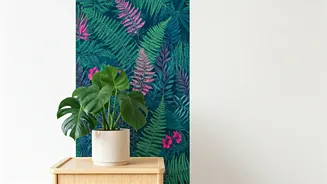
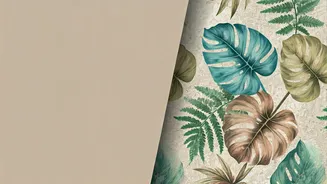
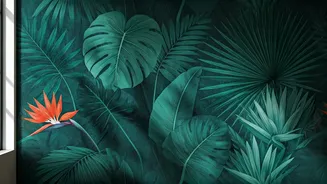
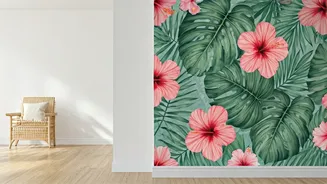
The term 'botanical' covers a vast world of design. Before you start shopping, consider the mood you want to create. Are you dreaming of a tropical getaway? Look for bold prints with large-scale palm fronds, monstera leaves, and vibrant hibiscus flowers. This style works wonderfully for an accent wall in a living room or bedroom. If you prefer a softer, more romantic feel, vintage floral patterns with delicate roses, peonies, and muted colour palettes are a classic choice. For a modern, minimalist aesthetic, consider simple line drawings of leaves and branches or subtle, repeating patterns in a monochrome scheme. Don't be afraid to order samples; seeing the print in your own light is crucial.
Preparation is Key
A successful wallpaper application begins before you even unroll the paper. Your wall needs to be as clean and smooth as possible for the adhesive to work correctly. Start by wiping the wall down with a mild cleaning solution and a damp cloth to remove any dust, grime, or grease. Let it dry completely. Run your hand over the surface to check for any bumps or imperfections. If you find any small lumps of old paint or plaster, gently sand them down with fine-grit sandpaper and wipe away the dust. Most peel-and-stick wallpapers work best on walls with a satin or semi-gloss paint finish. Matte or textured walls can be tricky, as the adhesive may not stick as well, so always check the manufacturer’s recommendations.
Application Without the Anxiety
Applying the wallpaper might seem daunting, but it’s a manageable DIY project. The golden rule is to go slow. Start at the top corner of your wall, peeling back only the first few inches of the backing paper. Align the top edge of the wallpaper with the ceiling, leaving a little extra to trim later. Using a plastic smoother (a credit card works in a pinch), press the wallpaper onto the wall, working from the centre outwards to push out any air bubbles. Continue to slowly pull down the backing paper a few inches at a time, smoothing as you go. When starting a new panel, carefully overlap it with the previous one to match the pattern seamlessly. A sharp utility knife and a straight edge are your best friends for trimming the excess at the ceiling and baseboard.
Think Beyond the Accent Wall
You don't have to cover an entire wall to make a big impact. Botanical wallpaper can be used in smaller, creative ways to add pops of personality throughout your rental. Consider lining the back of a bookshelf to make your display items stand out. Cover the flat-front of a boring dresser or the top of a plain side table to create a custom piece of furniture. You can even apply it to the inside of closet doors for a beautiful surprise every time you open them. Another great option is to apply the wallpaper to a large piece of plywood or foam board and hang it like a piece of art. This gives you the visual impact without ever touching the walls.
The Clean Getaway: Damage-Free Removal
When your lease is up or you're simply ready for a change, the removal process is straightforward. Start at a top corner and gently pull the wallpaper down and away from the wall at a 45-degree angle. The key is to pull slowly and steadily. If you encounter any resistance, a little bit of gentle heat from a hairdryer can help soften the adhesive and make the process smoother. Once the paper is off, if there is any slight sticky residue left behind, it can usually be wiped away with a cloth and a bit of warm, soapy water. The wall will be left just as you found it, ready for the next tenant (or your next design idea).