
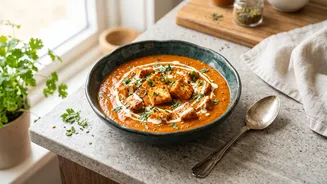

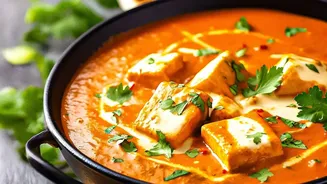
The Foundation: Your Onion-Tomato Base
The soul of any great paneer curry is its base gravy, typically built on a foundation of onions, tomatoes, ginger, and garlic. The first secret to a restaurant-quality taste is patience. Don't rush the process of sautéing the onions. They need to be cooked
slowly on a medium-low flame until they are deeply browned and caramelized, not just translucent. This slow cooking, or 'bhuno' process, develops a sweet, complex flavour that raw or quickly cooked onions simply can't provide. Many restaurant recipes use a base gravy that is made in a large batch and then used for different curries. For home cooking, focus on getting this onion and tomato mixture just right each time.
Achieving Silky Smoothness with Pantry Staples
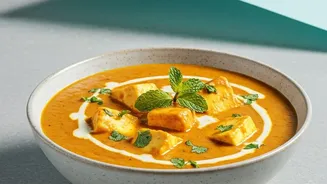
One of the defining features of a restaurant curry is its luxurious, smooth texture. This isn't usually achieved with heaps of expensive heavy cream. The secret often lies in ground nuts or seeds. Soaking a small handful of cashews in warm water and grinding them into a fine paste is a classic technique. This paste, when added to the gravy, provides an incredible creamy body and subtle sweetness. If you don't have cashews, full-fat milk, plain yoghurt whisked to be smooth, or even a tablespoon of milk powder can enrich the gravy without splitting. For an ultra-smooth finish, after cooking your onion-tomato base, you can blend it thoroughly and even pass it through a sieve.
Unlocking the Power of Your Spices
Using the right spices is important, but how you use them is critical. To get the most out of your ground spices like turmeric, coriander, and red chilli powder, they need to be 'bloomed'. This means frying them in oil or ghee for a short time after your onions and aromatics are cooked but before you add wet ingredients like tomato puree. This brief cooking in fat awakens their essential oils and deepens their flavour. Whole spices like cumin seeds, cloves, and cardamom should be added to hot oil at the very beginning of the cooking process, a technique known as 'tadka' or tempering. This infuses the entire dish with their aroma from the start.
The Final Touch: Perfectly Soft Paneer
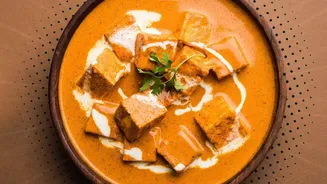
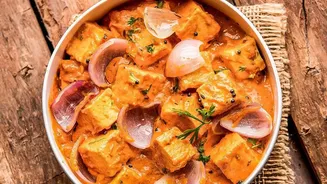
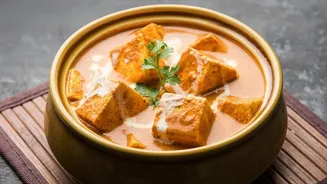
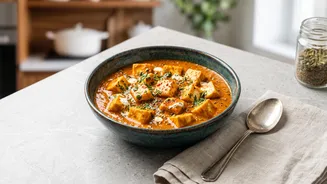
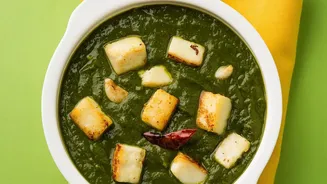
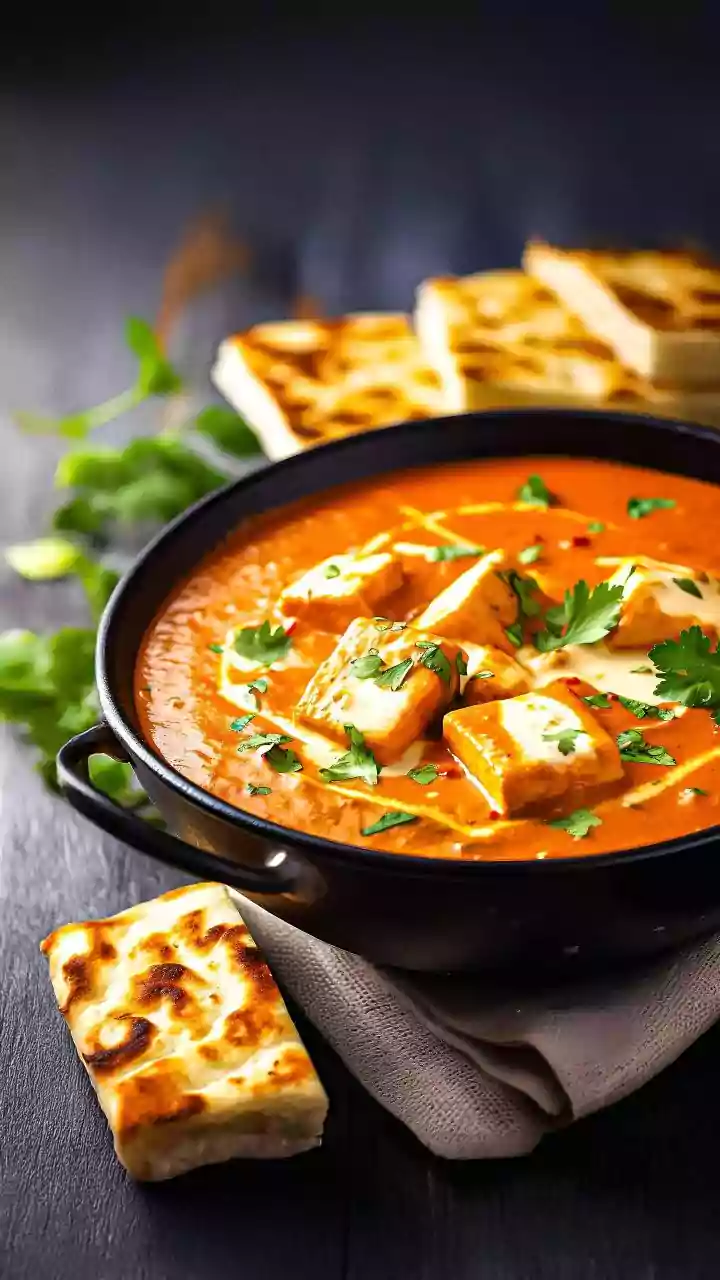
There's nothing more disappointing than a rubbery, chewy piece of paneer in an otherwise perfect curry. Overcooking is the main culprit. Paneer is delicate and cooks very quickly. The key is to add it at the very end of the cooking process, simmering it in the gravy for only two to three minutes—just long enough for it to warm through and absorb some flavour. A game-changing tip, especially for store-bought paneer, is to soak the cubes in warm, salted water for about 15–20 minutes before using them. This simple step hydrates the paneer, making it incredibly soft and spongy. Never add cold paneer straight from the fridge into a hot curry, as this can make it tough.