




What Is a Cockpit Disruption?
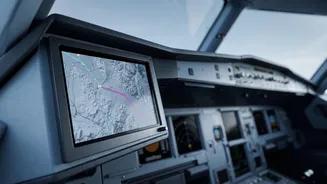
A serious cockpit disruption isn't just one thing; it's a category of urgent situations that could compromise the safety of a flight. These events are broadly classified into a few key types. First are technical malfunctions, which could range from a sensor
failure to a more critical issue like an engine problem or loss of cabin pressure. Second are medical emergencies affecting the flight crew, such as a pilot suddenly becoming unwell or incapacitated. Finally, security threats, including dangerously unruly passengers, can also create a disruption serious enough to require an immediate change of plans. In each of these scenarios, the crew's top priority shifts from reaching the planned destination to ensuring the immediate safety of everyone on board.
The Decision to Divert
The decision to divert the aircraft is the ultimate responsibility of the pilot-in-command. This decision is never made lightly and involves a rapid but thorough assessment of the situation. The pilots follow a principle of 'aviate, navigate, communicate'. Their first job is to fly the plane and ensure it is stable. Next, they navigate, which includes determining the best course of action. They weigh factors like the nature of the emergency, the aircraft's current fuel load, and the nearest suitable airport. An ideal diversion airport has a runway long enough for the aircraft, the necessary emergency services, and, if possible, airline support staff on the ground. The pilots will consult with their airline's operations center for advice, but the final call rests with the captain in the cockpit.
The Role of Air Traffic Control
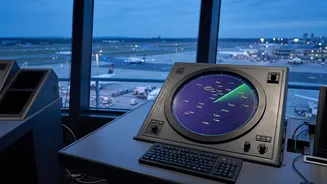
Once the decision to divert is made, the pilots communicate the emergency to Air Traffic Control (ATC). They will use one of two key phrases: "Pan-Pan" for an urgent but not immediately life-threatening situation, or "Mayday" for a distress condition requiring immediate assistance. This declaration instantly changes everything. The aircraft is given absolute priority over all other air traffic. ATC controllers clear the airspace, providing a direct, unimpeded route to the chosen diversion airport. They essentially create a protected corridor in the sky. Controllers also act as a crucial support system, relaying vital information about weather and runway conditions and coordinating with emergency services on the ground to ensure fire and rescue teams are standing by for the aircraft's arrival.
Executing the Diversion
With ATC clearing the path, the flight crew begins to execute the diversion. The remaining pilot, if one is incapacitated, will handle the controls, often with the help of autopilot to manage workload. They work through specific checklists designed for the particular emergency they are facing. Simultaneously, they coordinate with the cabin crew, who prepare the cabin for an unscheduled landing. Passengers will be instructed to return to their seats and fasten their seatbelts, and the cabin will be secured. The pilots will manage the descent and approach, landing the aircraft as safely as possible at the new airport. The entire process is a well-rehearsed drill that pilots practice regularly in advanced flight simulators.
Safety and Logistics on the Ground
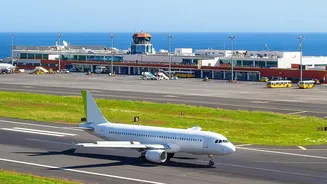
The moment the aircraft lands, the ground phase of the emergency response begins. Emergency vehicles will meet the plane on the runway or at the gate, depending on the nature of the issue. If it was a medical emergency, paramedics will come aboard to provide immediate care. Once the immediate situation is handled, the airline's focus turns to the passengers. Depending on the reason for the diversion, one of two things usually happens. In a 'fuel and go' scenario, such as diverting for weather, the plane might refuel and continue to its destination once it's safe. In more serious cases, passengers may have to deplane. The airline is then responsible for arranging onward travel, which could mean booking them on the next available flight or even providing accommodation if the delay is significant.