


The Life Cycle of a Starter
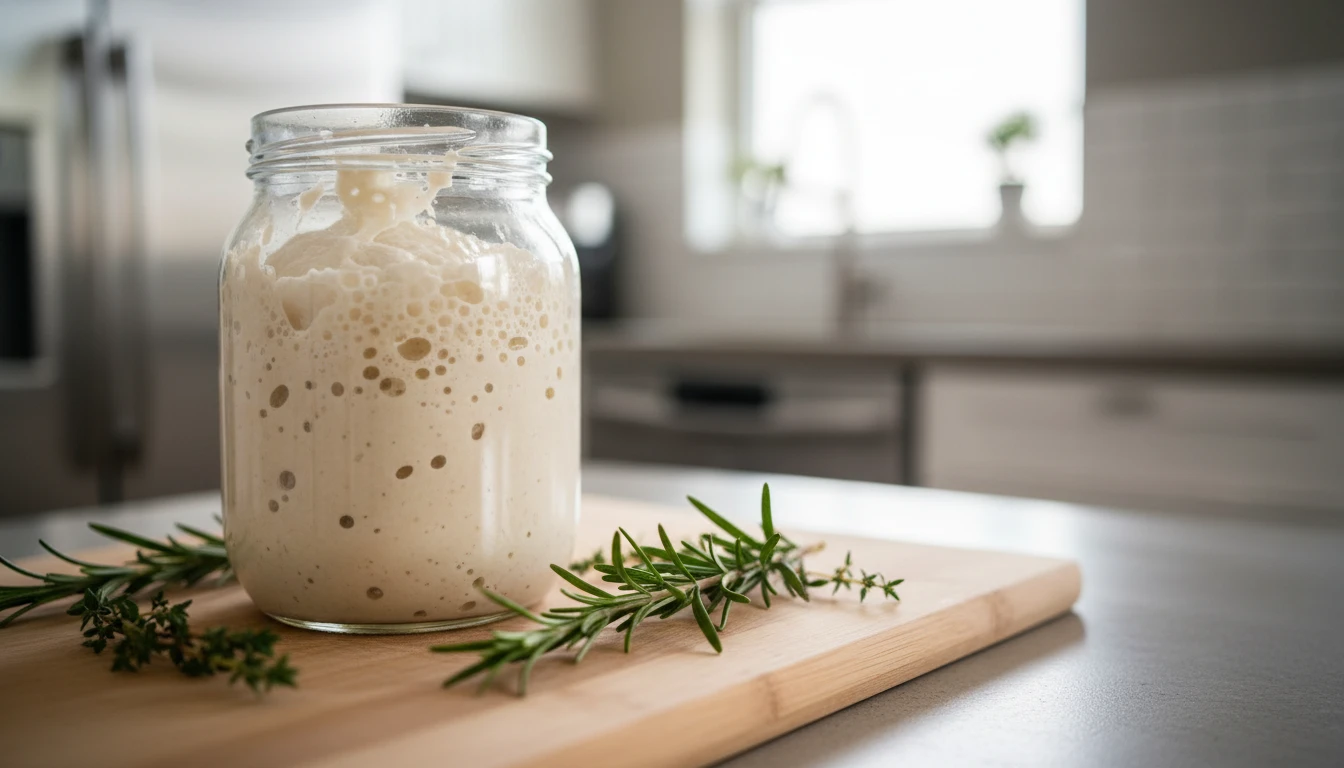
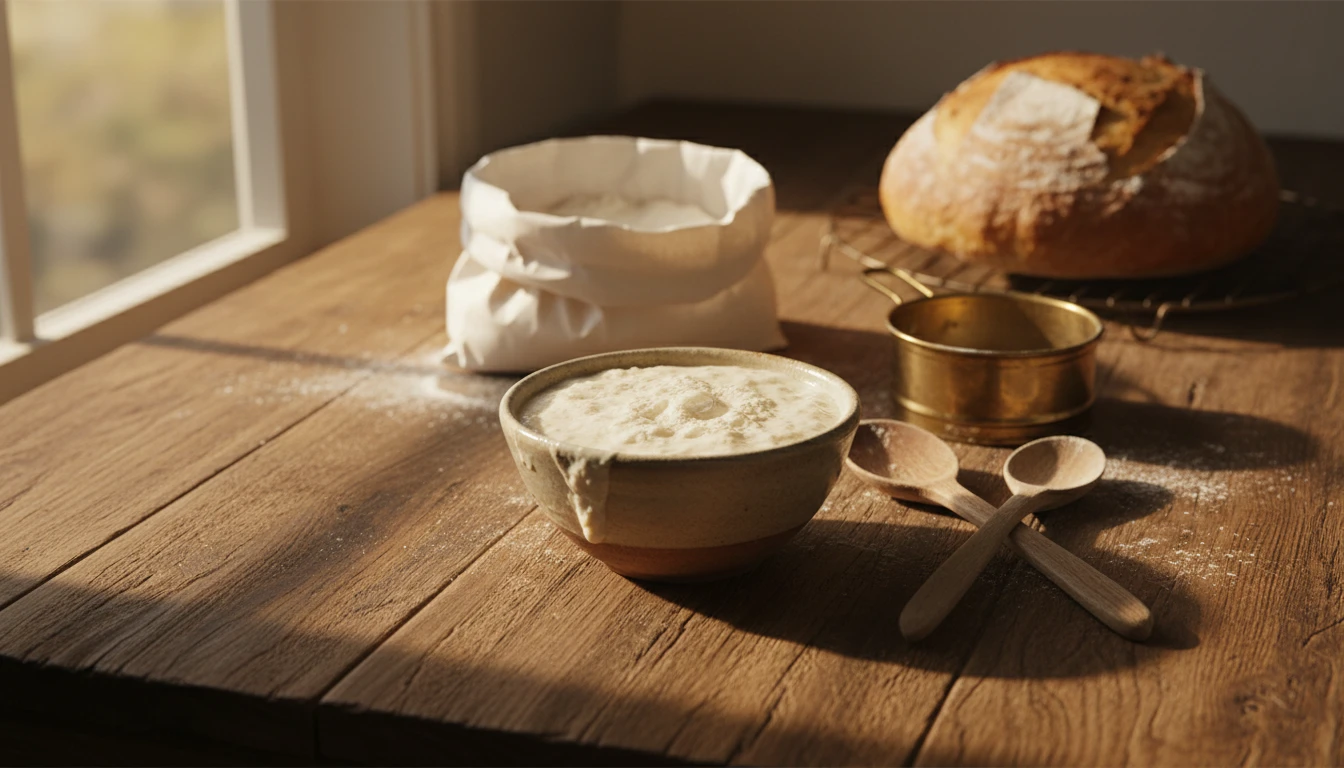
To understand sourdough discard, you first have to understand the starter itself. A sourdough starter is a living culture of wild yeasts and bacteria, a bubbling mix of flour and water that must be regularly 'fed' to stay active and healthy. Before each
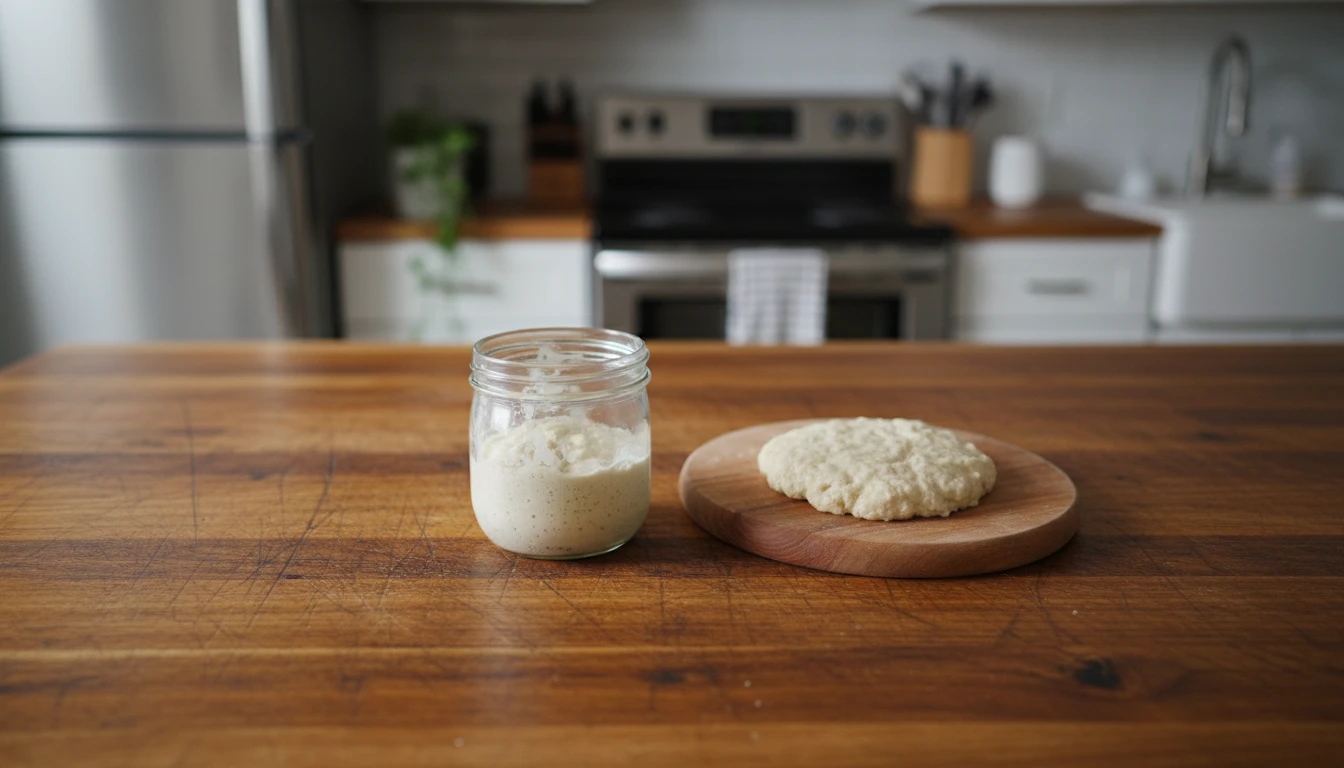
feeding, a portion of the starter must be removed, or 'discarded'. This isn't because it's gone bad; it's a necessary step to manage the volume and maintain the right balance of acidity for a healthy culture. If you didn't discard, you would quickly end up with an unmanageable quantity of starter. For years, many bakers simply tossed this portion out, but its name is misleading. Sourdough 'discard' isn't waste; it's unfed, inactive starter, packed with tangy flavour.
The Rise of the Zero-Waste Kitchen
Parallel to the sourdough revival has been a powerful movement toward sustainability in the kitchen. The zero-waste philosophy challenges home cooks to rethink what they throw away, finding creative uses for everything from vegetable peels to meat bones. Sourdough discard fits perfectly into this ethos. Throwing away a cup of flour and water mixture every day feels inherently wasteful, especially when that mixture has developed such a unique, complex flavour. By finding ways to cook with it, bakers are not just saving ingredients; they're embracing a more sustainable and resourceful approach to food. This mindset transforms a routine baking chore into an opportunity for culinary creativity and environmental responsibility.
Why Appetizers Are the Perfect Answer
So, why have appetizers become the go-to for using up discard? The reasons are both practical and flavour-focused. First, speed and convenience are key. Sourdough discard is essentially a ready-made batter or dough base. Unlike an active starter, it doesn't have strong leavening power, so it’s perfect for recipes that don't need a significant rise, like crackers, flatbreads, and pancakes. Many discard appetizers can be whipped up in minutes, making them ideal for a quick snack or an impromptu gathering. Second is the flavour. The discard has a pronounced tangy, sour taste from fermentation, which adds a delicious complexity to savoury foods. This acidic note pairs beautifully with cheese, herbs, and spices, forming the flavour backbone for treats like cheesy crackers, scallion pancakes, and savoury fritters.
From Discard to Delicious: Popular Creations
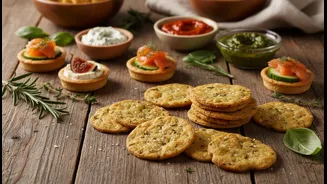
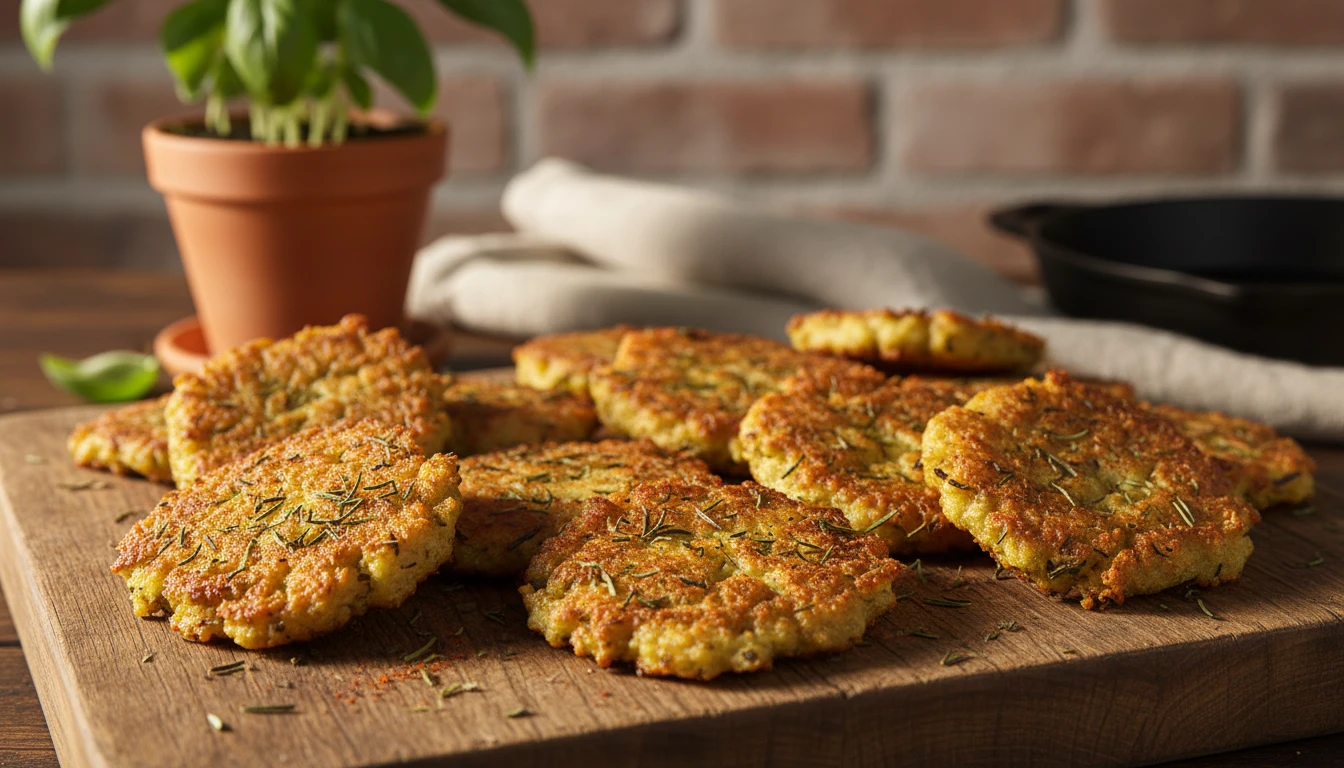
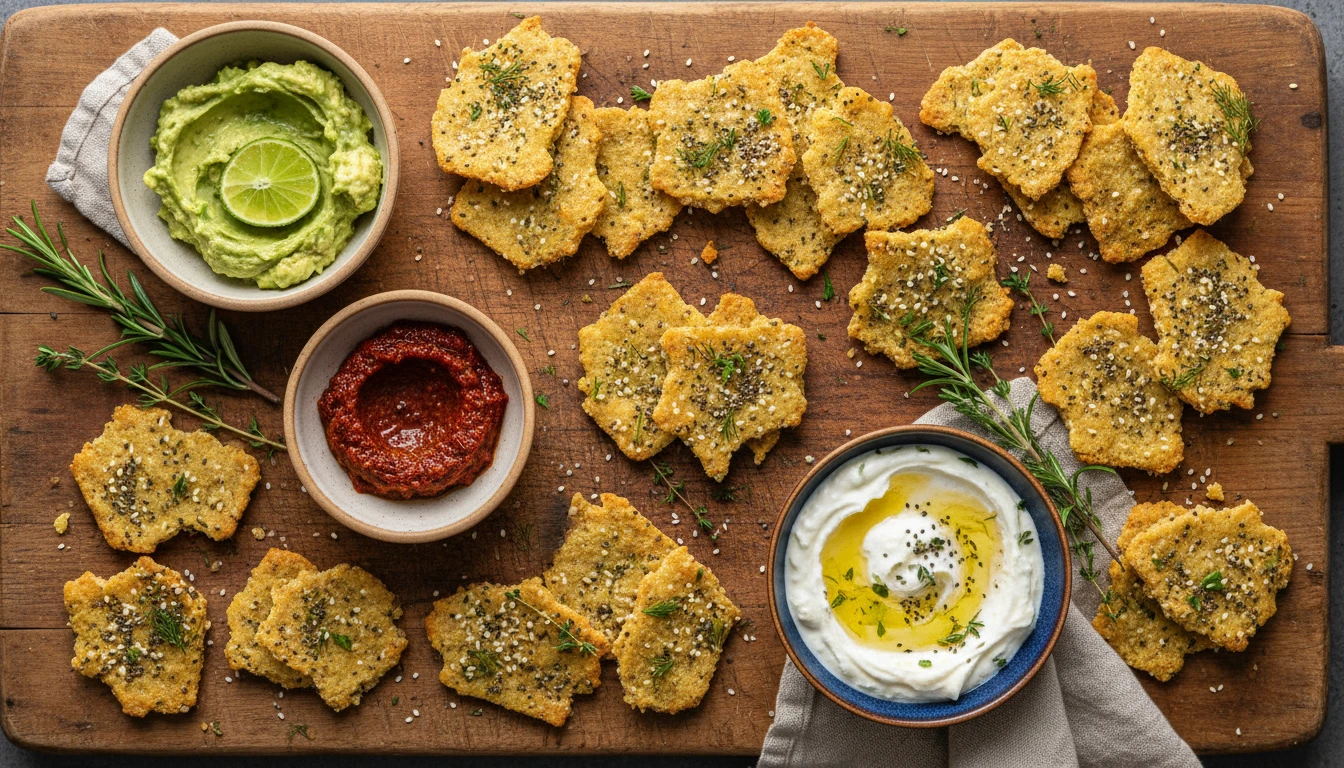
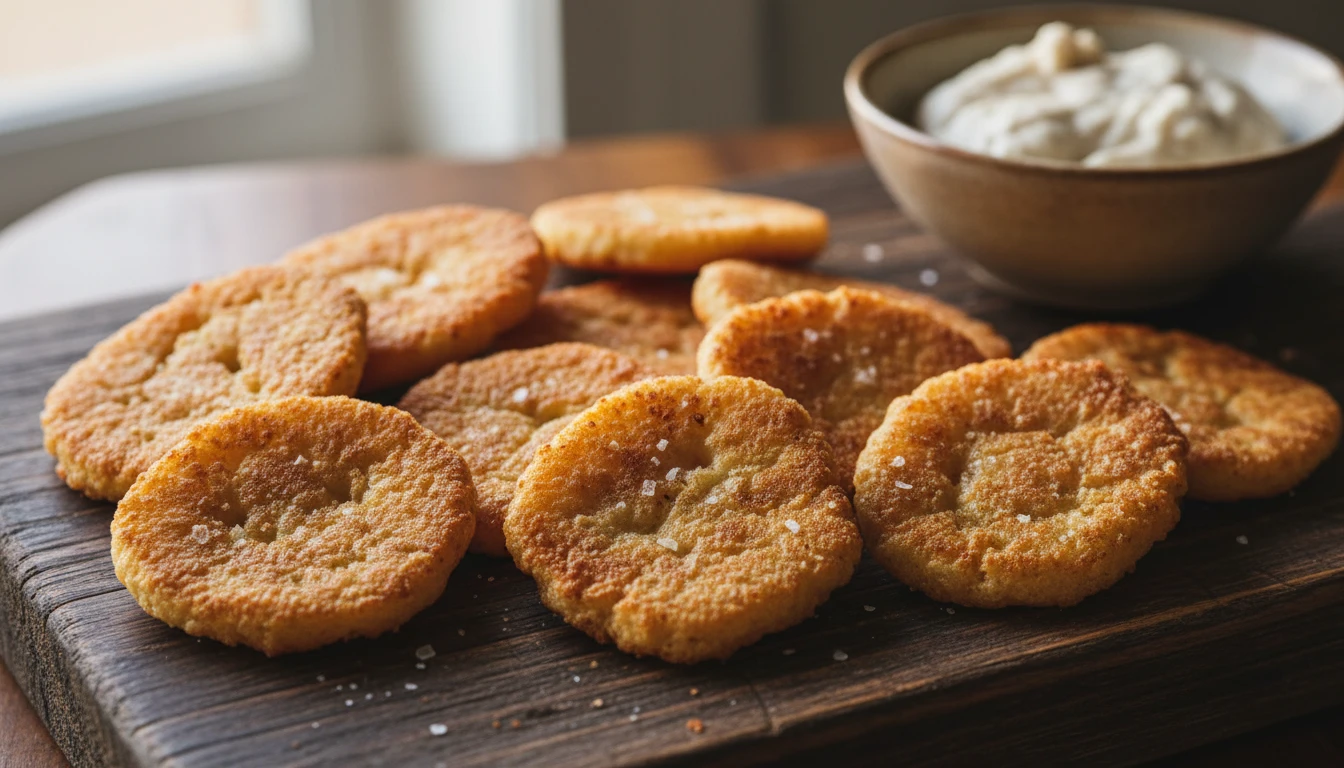
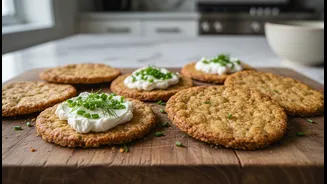
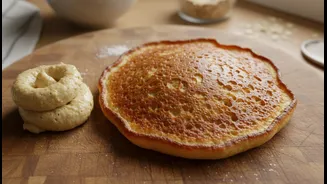
The possibilities for sourdough discard appetizers are nearly endless and have spawned a whole sub-genre of online recipes. Crispy, golden crackers are perhaps the most popular starting point, requiring little more than the discard, some extra flour, oil, and salt. Sourdough discard scallion pancakes are another favourite, offering a chewy, flavourful flatbread that fries up in minutes. You'll also find recipes for savoury fritters, where discard acts as a binder for vegetables like zucchini or corn. More inventive cooks are using it to create pretzel bites, bagel bites, and even as a flavourful batter for fried chicken tenders. Each recipe celebrates the unique taste of the discard, turning what was once considered waste into the star of the dish.