




Putting the Rs 72,000 Crore Figure in Context
The headline figure comes from the India Bullion and Jewellers Association (IBJA), which estimated that consumers bought 52 tonnes of gold worth Rs 72,000 crore during the 2026 Dhanteras and Diwali period. This represents a significant 30% increase in the volume
of gold purchased compared to the same period last year. While other trade bodies like the Confederation of All India Traders (CAIT) had projected slightly more conservative sales of around Rs 60,000 crore for gold and silver combined, the sentiment was unanimous: festive buying was exceptionally strong. This surge points to robust consumer confidence and spending power, even in the face of high prices.
The Enduring Pull of Tradition
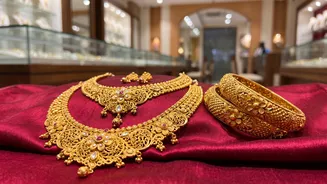
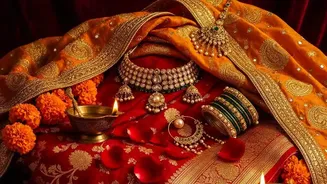
At the heart of this annual phenomenon is culture. Buying gold during Dhanteras and Diwali is considered highly auspicious in India, a practice believed to welcome wealth and prosperity into the home. For millions, it is an essential part of festive traditions, intertwined with family rituals and gift-giving. This cultural significance creates a predictable and powerful surge in demand every year, as households across the country, from bustling cities to rural villages, flock to jewellery stores. This year also saw growing interest from younger consumers and Gen Z, indicating the tradition is being passed down through generations.
A Timely Dip in Prices
A crucial driver for this year's sales boom was a timely correction in gold prices. After hitting a peak of around Rs 1.8 lakh per 10 grams earlier in the year, prices fell to approximately Rs 1.42 lakh during the festive period. This dip, seen as a window of opportunity, motivated many who had been waiting on the sidelines to finally make their purchases. Bullion dealers noted that while prices were still about 20% higher than the previous year, the drop from the record high was the incentive many retail buyers needed. This suggests that while Indian consumers are price-sensitive, they are also strategic, timing their big-ticket purchases to coincide with favourable market movements.
The Great Indian Wedding Season
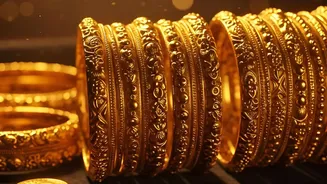
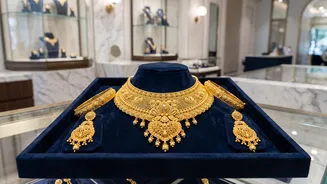
The festive season directly precedes India's peak wedding season, which typically begins in mid-November and runs for several months. Weddings account for about half of the country's annual gold demand, with bridal jewellery being a massive component. Many families use the auspicious timing and festive discounts of Diwali to buy gold for upcoming weddings. This year was no exception, as jewellers reported that advance buying for weddings significantly contributed to the sales volume. This dual-purpose purchasing—for both festivals and future weddings—amplifies the demand, making it one of the most critical sales periods for the jewellery industry.
Shifting Consumer Habits
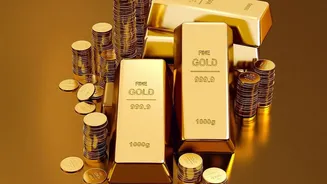
While the overall spending was high, elevated prices did influence how people bought gold. Many consumers adapted their budgets by opting for lighter-weight jewellery or pieces with lower carat ratings, such as 14-carat and 18-carat gold, instead of the traditional 22-carat. This strategic shift allowed buyers to adhere to tradition without overstretching their finances. There was also strong demand for gold and silver coins and bars, indicating that many see festive buying as a form of investment and savings, not just adornment. This reflects gold's dual role in India as both a cultural artifact and a secure financial asset.
Broader Economic Implications
Such a massive outflow of consumer spending has wider economic effects. For thousands of jewellers and artisans, the festive season is a lifeline that sustains their businesses for the year. However, on a macroeconomic level, the picture is more complex. India imports the vast majority of its gold, paying in foreign currency. A surge in gold imports can widen the country's trade deficit and put pressure on the Indian rupee. The government has previously appealed to citizens to moderate gold purchases and raised import duties to curb these effects, highlighting the delicate balance between cultural practices and national economic management.