





Plan and Research Diligently
Before you even start packing, do your homework. Check the weather forecast for your destination, not just for your travel dates but also for the days leading up to them. Use reliable sources like the India Meteorological Department (IMD) for alerts on heavy
rainfall, flooding, or landslides. Some regions are more prone to these issues, so choosing your destination wisely is a key first step. Look into local news and travel advisories for real-time updates on road closures or travel disruptions that could impact your journey. Having a flexible itinerary or a backup plan can save you from major headaches if the weather takes a turn for the worse.
Pack Smart, Not Just Light
Monsoon packing is a science. Prioritise synthetic, quick-drying fabrics like nylon and polyester over cotton, which takes a long time to dry. A lightweight, waterproof jacket or a sturdy poncho is non-negotiable. For footwear, opt for rubber boots or sandals with good grip to navigate slippery surfaces; leather shoes and flip-flops are a poor choice for wet conditions. It's also wise to pack an extra set of dry clothes in a sealed bag. A compact, quick-drying microfibre towel can be a lifesaver for drying off after an unexpected downpour.
Waterproof Your Valuables
Water and electronics don't mix. Protect your phone, camera, passport, and other important documents by using waterproof pouches, zip-lock bags, or a dedicated dry bag. Investing in a waterproof backpack or a reliable rain cover for your existing bag provides an essential layer of defence for all your belongings. For extra protection, especially for expensive gadgets, you can double-bag them or use silica gel packets inside your bags to absorb any ambient moisture.
Prioritise Your Health and Hygiene
The rainy season can increase the risk of waterborne and mosquito-borne diseases. Be vigilant about your health by drinking only bottled or boiled water and ensuring the seal is intact. Avoid street food, especially pre-cut fruits and anything that has been sitting out in the open, as it can be exposed to contamination. Instead, opt for freshly prepared hot meals from clean establishments. Carry a basic first-aid kit with antiseptic wipes, bandages, insect repellent, and any personal medications you need. Washing your hands frequently is a simple but effective way to prevent infections.
Navigate Transportation with Caution
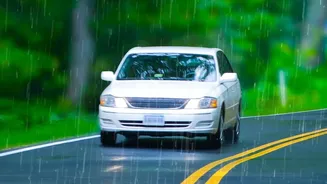
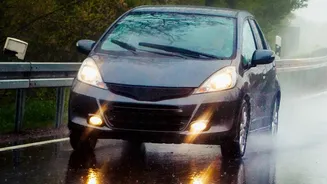
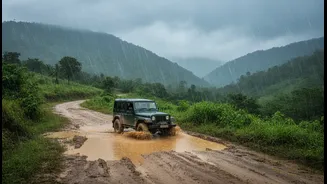
Traveling by road during heavy rains requires extra care. If you're driving, ensure your car's tyres, brakes, and wipers are in good condition before you start. Drive slowly, maintain a safe distance from other vehicles, and use your low-beam headlights for better visibility. Never attempt to drive through waterlogged streets, as it's difficult to judge the water's depth and you risk stalling your vehicle or encountering hidden dangers. Be prepared for potential delays and cancellations if you're using public transport and build extra time into your schedule.
Stay Powered and Connected
Power cuts can be more frequent during the monsoon season, so a fully charged power bank is an essential item to keep your phone and other devices running. Before you leave, save important emergency contacts and the number of your hotel offline. Staying informed about your surroundings and any advisories from local authorities is crucial, especially in areas prone to severe weather events.