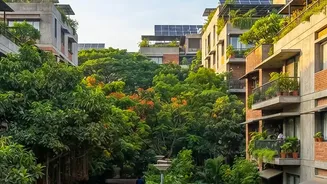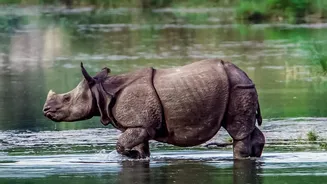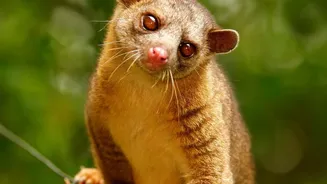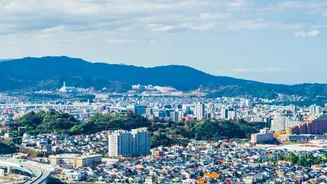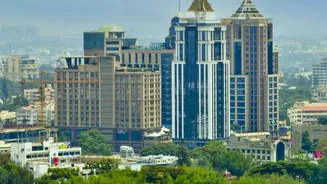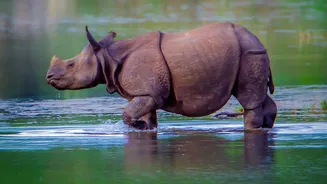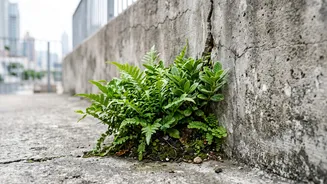


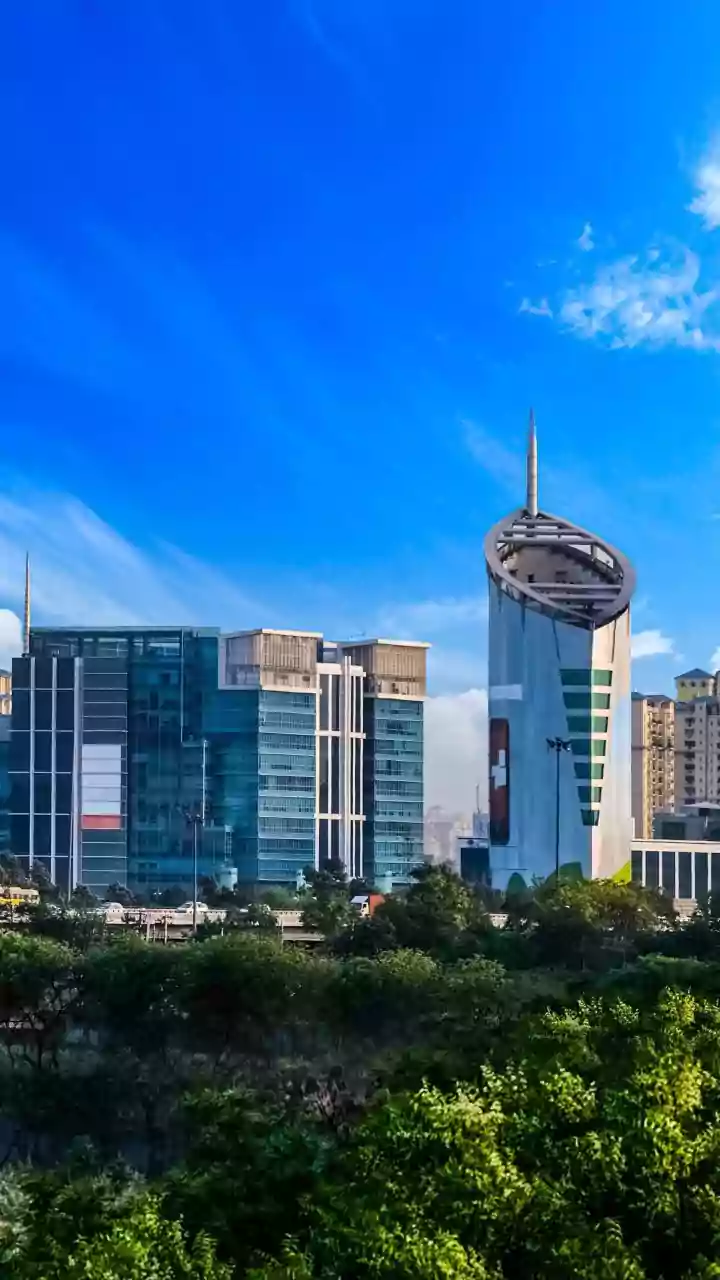

Look past the concrete, steel, and traffic of India’s metropolises, and you’ll find a hidden ecosystem. Beyond the confines of parks and zoos, a surprising array of wildlife is adapting, surviving, and even thriving in our urban jungles.
The City as an Ecosystem
We often think
of cities as the opposite of nature, a landscape of human creation where wildlife has no place. But in reality, our urban centres are complex, evolving ecosystems. As cities expand, they swallow forests, grasslands, and wetlands, forcing the original inhabitants to either retreat or adapt. Surprisingly, many are choosing the latter. They find new sources of food in our waste, shelter in our buildings, and pathways along our railway lines and drainage canals. This process, happening across India, is creating a new kind of wilderness right in our backyards, populated by animals that have learned to navigate the human world.
Mumbai's Elusive Leopards
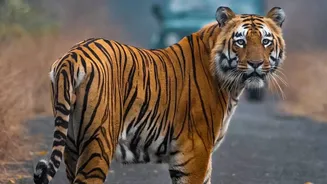
Perhaps the most dramatic example of urban adaptation is the leopard population of Mumbai. Centred around the Sanjay Gandhi National Park (SGNP), a large protected forest right in the heart of the megacity, these big cats have learned to coexist with one of the densest human populations on Earth. Camera traps have revealed a surprisingly healthy population, with estimates suggesting over 50 leopards in the park and its surrounding areas. These predators have adapted their behaviour, using the cover of darkness to move through the city's fringes, preying largely on the abundant stray dog population. Their survival proves that even large carnivores can find a niche in a sprawling metropolis, a testament to both their resilience and the unique character of Mumbai's urban landscape.
Delhi's Unlikely Neighbours
In Delhi, it's not uncommon for residents to have an unexpected encounter with the country's largest antelope, the Nilgai. As the state animal of Delhi, the Nilgai, or blue bull, often strays from green patches like the Asola Bhatti Wildlife Sanctuary and Jahanpanah City Forest into residential colonies. While startling, these encounters are often peaceful, with viral videos showing the large animals calmly navigating streets and traffic, sometimes appearing unfazed by human presence. Besides these gentle giants, the capital is also home to more secretive creatures like golden jackals and palm civets, which make their homes in the city's biodiversity parks and wooded areas, venturing out at night.
The Masters of Adaptation
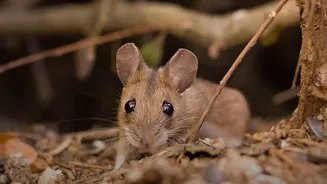
How do these animals manage it? The key is incredible adaptability. Golden jackals, for instance, have a long history in cities like Mumbai, once roaming southern parts of the island city and now thriving in mangrove belts. Their flexible diet, which includes everything from small mammals to garbage, allows them to survive where other species might not. Smaller animals like the Asian palm civet and Indian grey mongoose have also become common urban residents, using our buildings for shelter and our waste for food. Even snakes, such as the common rat snake, play a role in urban ecosystems by controlling rodent populations in gardens and construction sites. These animals are not just visitors; they are becoming a permanent and functional part of the urban environment.
A World of Shrinking Habitats
While the resilience of these animals is remarkable, their presence in our cities is often a direct result of shrinking natural habitats. Rampant urbanisation, infrastructure projects, and the conversion of natural landscapes into agricultural or residential plots leave animals with nowhere else to go. This fragmentation of habitats forces them into human-dominated areas in search of food and territory, inevitably leading to an increase in human-wildlife interactions. The phenomenon is less a charming quirk of city life and more a symptom of a planet where the boundaries between human and wild spaces are becoming increasingly blurred and contested.
The Path to Coexistence
The growing proximity between humans and wildlife presents significant challenges, from crop damage in peri-urban areas to safety concerns. However, it also offers an opportunity to rethink urban design. The survival of these species depends on our willingness to share our space. This means creating and protecting green corridors that allow animals to move safely, managing our waste better to reduce conflict, and fostering community awareness to replace fear with understanding. From youth-led initiatives promoting animal welfare on college campuses to citizen-run sterilisation programs for street dogs, communities are already finding ways to coexist peacefully. These efforts show that our cities can be designed not just for people, but for the diverse forms of life that call them home.