



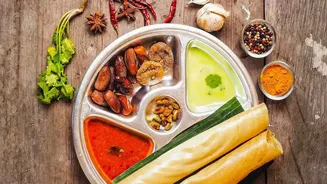
What is Mindful Eating, Really?
Mindful eating isn't about dieting or deprivation; it's about paying full attention to the experience of eating. It means listening to your body's hunger cues and learning to distinguish between actual physical hunger and emotional cravings. By focusing
on the taste, texture, and aroma of your food, you naturally slow down, which gives your brain the time it needs to recognize when you are full. This practice helps prevent overeating and allows you to truly appreciate the special dishes prepared for the season, making the experience more satisfying.
The Festive Plate Strategy
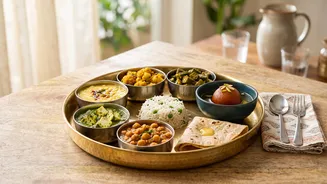
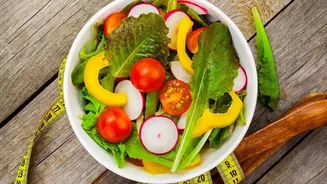
One of the easiest ways to practice portion control is to be strategic with your plate. Using a smaller plate can psychologically help you serve yourself less. A balanced approach is the 'plate method': fill half of your plate with vegetables or salad, a quarter with a protein source like dal or paneer, and the final quarter with carbohydrates such as roti or rice. Before you even get to the main course, starting with a salad or a clear soup can help you feel fuller, making you less likely to overindulge in richer dishes.
Savouring Sweets without the Spike
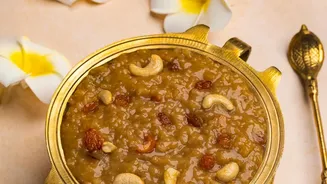
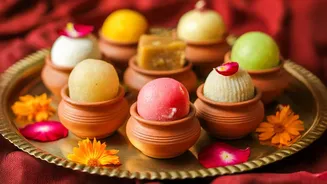
Festive seasons in India are synonymous with mithai. Instead of avoiding them completely, the key is to be selective and mindful. Choose one or two of your absolute favourite sweets and savour a small portion slowly. Sharing a dessert with a family member is another great way to enjoy the taste without consuming a full serving. Many nutritionists also suggest opting for homemade sweets where you can control the ingredients, using natural sweeteners like dates or jaggery instead of refined sugar, or trying baked and air-fried versions of traditionally fried treats like gujiyas.
Don't Mistake Thirst for Hunger
Amidst the festivities, it's easy to forget to drink water. However, staying hydrated is crucial as our bodies can sometimes confuse thirst with hunger. Sipping water throughout the day can help manage cravings, aid digestion, and prevent you from reaching for extra snacks or sugary drinks. Before having a meal or a sweet, try drinking a glass of water. Opting for coconut water, buttermilk, or lime soda over high-calorie cocktails and packaged juices is another smart choice during gatherings.
Avoid the 'Feast or Famine' Cycle
A common mistake is skipping meals to "save space" for a big festive dinner. This approach often backfires, leading to extreme hunger and overeating later. It's better to stick to your regular meal schedule, perhaps eating lighter, nutrient-dense meals earlier in the day. Having a small, healthy snack like a bowl of yoghurt, some fruit, or a handful of nuts before heading to a party can also curb your appetite and help you make more conscious food choices.
It's About Balance, Not Perfection
The goal of mindful eating during festivals is not to achieve perfection but to find a sustainable balance. Don't feel guilty if you indulge a little more than planned. The important thing is to return to your regular, healthy habits the next day. Instead of resorting to extreme measures like fasting or over-exercising, simply focus on lighter meals and gentle activity, like a post-dinner walk. Remember, a few days of festive eating won't derail your health goals if your habits throughout the rest of the year are consistent.