



The Old Sunscreen Struggle
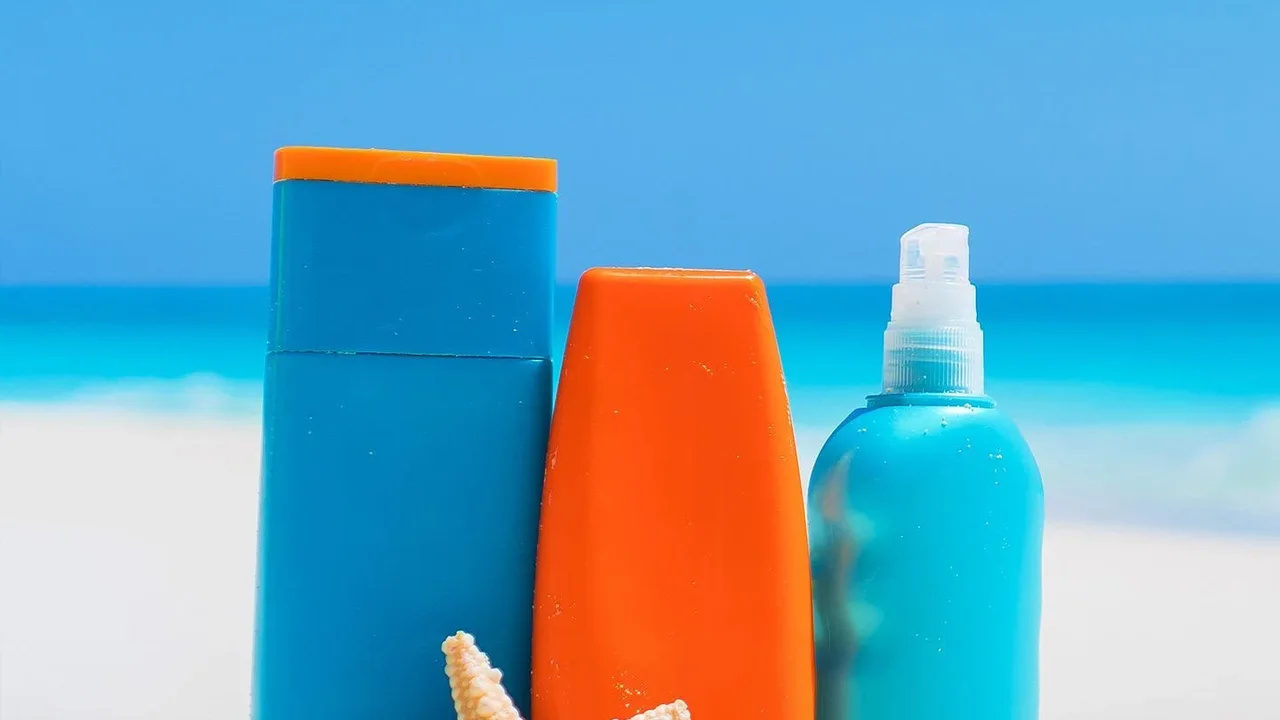
If you've ever felt frustrated by sunscreens, you're not alone. For decades, the options available in India failed to consider the unique realities of our climate and skin. Traditional formulations, especially mineral-based ones using zinc oxide and titanium
dioxide, were often thick and occlusive. In a hot and humid environment, this meant feeling sticky and greasy within minutes of application. Worse, these older formulas were notorious for leaving a prominent white or purplish cast, a particularly noticeable issue on melanin-rich complexions. This chalky finish made daily application a chore, leading many to skip this crucial skincare step altogether, despite knowing the risks of sun exposure.
Why Indian Skin Needs Specialised Protection
It's a common myth that darker skin tones don't need sunscreen. While higher levels of melanin offer some natural protection against UVB rays (the ones that cause sunburn), they don't shield against UVA rays. UVA rays penetrate deeper into the skin and are the primary cause of premature ageing, tanning, and hyperpigmentation—a major concern for Indian skin. Conditions like melasma and post-inflammatory hyperpigmentation (dark spots left after acne) are often worsened by sun exposure. Therefore, effective sun protection for Indian skin isn't just about preventing sunburn; it's about preventing long-term pigmentation and cellular damage. This requires a high PA rating (which measures UVA protection) in addition to a high SPF.
The Upgrade: Serum and Gel Formulations
The most significant upgrade comes in the form of texture. Brands have finally moved beyond heavy creams to develop lightweight, cosmetically elegant formulas that feel comfortable even in peak humidity. Gel-based and serum-like sunscreens are now leading the charge. These water-light formulations absorb almost instantly without leaving a greasy film or clogging pores, making them ideal for oily and acne-prone skin types. Many are also non-comedogenic, meaning they are specifically designed not to cause breakouts. This shift towards lighter textures has made daily sunscreen application a much more pleasant experience, encouraging consistent use.
Advanced Filters for Invisible Protection
The problem of the white cast is also being solved by science. While older mineral sunscreens used large particles that scattered light, newer formulations use micronized minerals that are invisible on the skin. More importantly, the industry is embracing next-generation chemical filters and hybrid formulas. Ingredients like Tinosorb S, Tinosorb M, and others offer broad-spectrum protection against both UVA and UVB rays without leaving any residue. These advanced filters are highly photostable, meaning they don't break down quickly in the sun, providing more reliable, long-lasting protection. The result is high-SPF, high-PA protection that is completely transparent on the skin.
Protection Beyond the Sun
Modern life exposes our skin to more than just UV rays. Blue light from digital screens and environmental pollution are now recognised as significant contributors to premature ageing and skin damage. The latest sunscreens are formulated to address these urban stressors. Many now include ingredients like iron oxides, which help block blue light, and a cocktail of antioxidants such as Niacinamide, Vitamin C, and Vitamin E. These ingredients work to neutralise free radicals caused by pollution and blue light, strengthening the skin barrier and offering a more comprehensive defence system for daily life.
Sunscreen That Works Harder
The new wave of sunscreens often doubles as skincare. Instead of just providing protection, these multi-tasking formulas are packed with active ingredients to treat specific concerns. It's now common to find sunscreens infused with hyaluronic acid for hydration, niacinamide for oil control and brightening, or kojic acid to actively fight pigmentation. For those with sensitive or acne-prone skin, there are options with calming ingredients like Centella Asiatica. This approach streamlines your routine, allowing your sunscreen to both protect and improve your skin's health simultaneously. Tinted sunscreens with iron oxides are also gaining popularity, offering not just UV and visible light protection but also light coverage to even out skin tone.