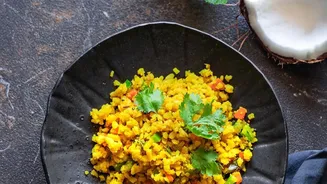

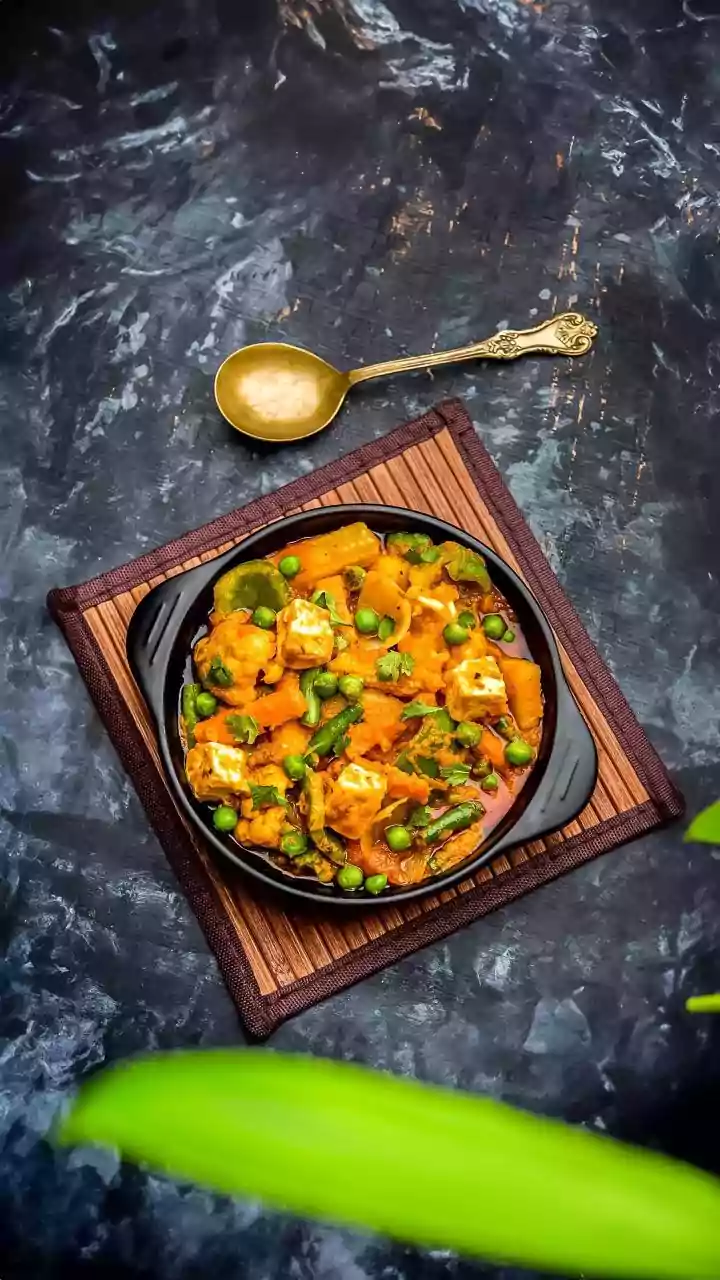

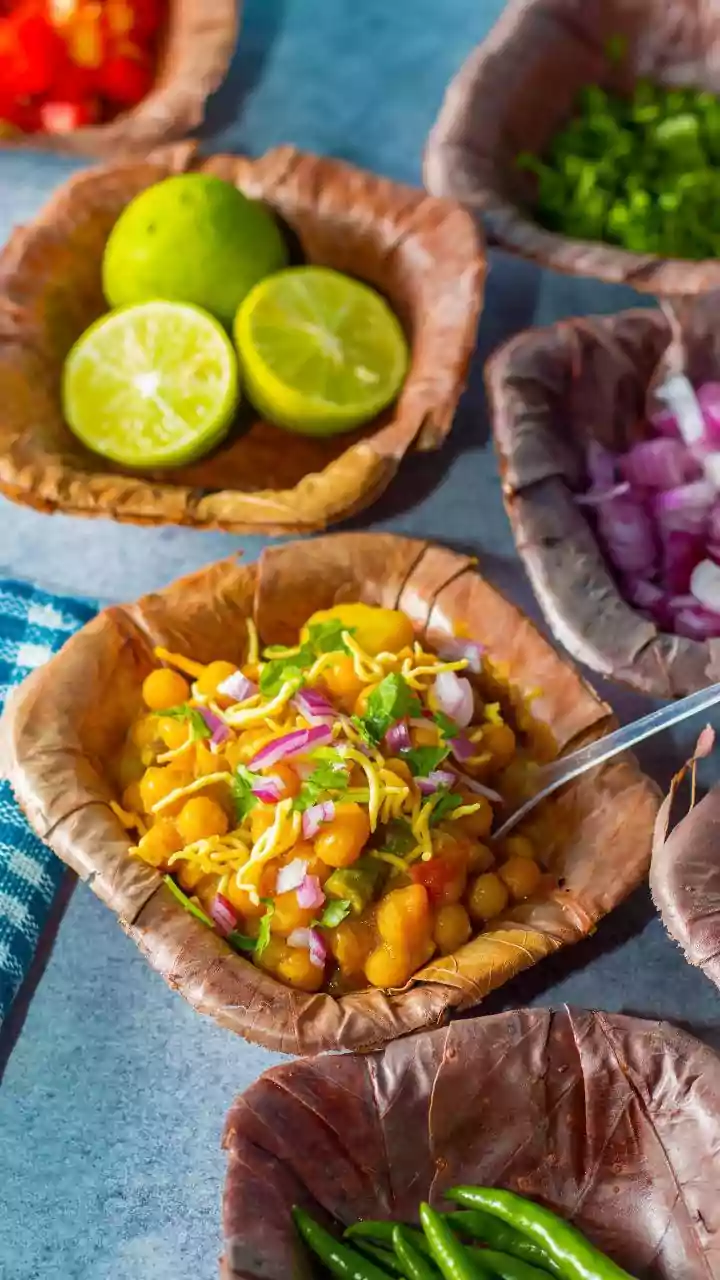



Poha is a breakfast champion, loved for its simplicity and speed. But what if a single ingredient could transform this daily staple into something truly special? Enter the humble coconut, ready to bring a touch of coastal flavour to your morning routine.
A Natural and Nutritious Pairing
Poha, or flattened rice, is a beloved breakfast across India, but its preparation varies wonderfully by region. While Maharashtrian Kanda Batata Poha is iconic, the use of coconut is a hallmark of South Indian and coastal preparations, where it's known as Thengai Aval or Aval Upma. This isn't just about flavour; it's a nutritionally smart combination. Coconut is packed with healthy fats, specifically medium-chain triglycerides (MCTs), which are easily digested and can provide a sustained energy boost. It's also a good source of dietary fibre and essential minerals like manganese and copper, making your simple bowl of poha even more wholesome.
Beyond a Simple Garnish
Adding coconut to poha is more than just sprinkling some on top. The true magic lies in how and when you incorporate it. For a fresh, moist, and subtly sweet flavour, fresh grated coconut is stirred in right at the end of cooking. This method allows the coconut to gently warm through without losing its delicate texture. In some variations, like Dadpe Pohe, the raw poha is softened with a mix of onions, spices, and a generous amount of fresh coconut, without any cooking at all. For a deeper, nuttier, and more aromatic profile, you can lightly sauté the grated coconut in the pan for a minute before adding the softened poha. This toasting process enhances its flavour, adding a delightful complexity to the dish.
Mastering the Technique
The key to a perfect coconut poha is using the right ingredients and timing. Always opt for thick poha, as the thin variety can turn mushy when rinsed. A quick wash under running water is usually enough to soften it; avoid soaking it for too long. When making the tempering (tadka), consider using coconut oil to amplify the tropical notes. Mustard seeds, urad dal, curry leaves, and green or red chillies form a classic base. Once your tempering is ready and you've sautéed any other ingredients like onions, add the rinsed poha and mix gently. If you are using fresh coconut, this is the time to add it, just before you turn off the heat. A final stir, and it's ready to be served.
A Simple Coconut Poha Recipe
Ready to try it? Here’s a basic recipe to get you started. First, rinse 1.5 cups of thick poha and let it drain. In a pan, heat a tablespoon of coconut oil and add ½ teaspoon of mustard seeds. Once they splutter, add ½ teaspoon of urad dal, a few curry leaves, and 1–2 slit green chillies. Sauté for a minute. Now, add the softened poha and salt to taste, mixing gently. Cook for about two minutes on low heat. If it seems too dry, sprinkle a tiny amount of water. Finally, turn off the heat and stir in ¼ to ⅓ cup of fresh grated coconut. Mix well until combined. For an extra crunch, you can add roasted peanuts or cashews along with the tempering.
Creative Twists and Pairings
Once you've mastered the basic coconut poha, feel free to experiment. A squeeze of lime juice at the end brightens up all the flavours beautifully. For a richer dish, add finely chopped onions and sauté them until translucent before adding the poha. Some recipes also incorporate a pinch of hing (asafoetida) in the tempering for its unique aroma. Coconut poha is delicious on its own but also pairs wonderfully with a simple chutney or a side of plain yogurt. You can garnish it with finely chopped coriander leaves for an added layer of freshness. The beauty of this dish is its versatility, allowing you to create a version that’s perfectly suited to your taste.